
The concrete arteries of the Valley of Mexico are currently pulsing with a new kind of vitality as high-tech distribution centers replace the hollow shells of the city’s industrial past. This transformation represents far more than a simple change in real estate usage; it is a fundamental reconfiguration of how the capital functions as a commercial engine. As the demand for rapid delivery reaches a fever pitch, the urban landscape is evolving to accommodate the sophisticated needs of modern supply chains, turning once-stagnant industrial zones into high-velocity nodes of economic activity.
The Evolution of Mexico City’s Industrial and Logistics Landscape
The industrial narrative of the Valley of Mexico has undergone a profound shift, pivoting away from traditional heavy manufacturing and toward a sophisticated network of distribution hubs. Historically, the region was defined by sprawling factory complexes, but the modern economy demands a different kind of infrastructure. This transition is characterized by the emergence of urban logistics sites that prioritize speed and proximity over raw production capacity. The metropolitan area is no longer just a place where goods are made; it has become the central nervous system for how goods are moved, sorted, and delivered to millions of consumers.
Strategic market players have been instrumental in this modernization process, with specialized developers like ProximityParks leading the charge in redefining industrial real estate. These entities have identified that the value of land in the capital is increasingly tied to its connectivity rather than its size. By focusing on the acquisition and redevelopment of strategic urban sites, these developers are providing the specialized facilities that global e-commerce giants and local retailers require to operate in a congested metropolitan environment. Their role extends beyond construction, as they often act as the architects of a new industrial standard that emphasizes technology and efficiency.
The macroeconomic significance of this shift cannot be overstated, as logistics infrastructure now serves as the essential backbone for the capital’s commerce. This movement aligns perfectly with national industrial strategies that seek to position Mexico as a premier global trade hub. As the city refines its logistics capabilities, it strengthens its position within the broader North American supply chain, ensuring that the local economy remains resilient in the face of changing global trade patterns. Furthermore, a complex regulatory framework of zoning laws and municipal standards is evolving to manage this transition, ensuring that the repurposing of industrial land for logistics use contributes to an organized and sustainable urban expansion.
Market Dynamics Driving the Last-Mile Revolution
Emerging Trends in Urban Distribution and Consumer Demand
The explosive growth of digital consumption has acted as a catalyst, forcing inventory to move closer to the end consumer than ever before. To meet the rapid delivery expectations that have become the standard in the modern market, companies can no longer rely on distant warehouses located on the outskirts of the city. Instead, there is a frantic push to secure space within the urban grid, where the time from warehouse to doorstep can be measured in minutes rather than hours. This proximity is the only way to satisfy a consumer base that increasingly views one-day or even one-hour delivery as a necessity rather than a luxury.
In response to this demand, the market has shifted toward urban optimization rather than outward expansion. Instead of building on greenfield sites in far-flung suburbs, developers are finding immense value in repurposing underutilized brownfield sites within the existing city limits. This strategy allows logistics providers to tap into established infrastructure while avoiding the environmental and logistical costs associated with developing new land. By breathing new life into old warehouses and defunct factories, the industry is creating a more compact and efficient distribution network that fits seamlessly into the existing urban fabric.
Moreover, the influence of a digital workforce is reshaping delivery routes and the frequency of distribution. The rise of remote work and the gig economy has led to a more dispersed and unpredictable pattern of consumer demand, as people spend more time in residential neighborhoods rather than central business districts. This decentralization requires logistics hubs to be more agile and responsive, with routes that can adapt in real-time to changing traffic patterns and delivery windows. The result is a dynamic ecosystem where the warehouse is no longer a static storage space but a high-speed transit point for a constantly moving stream of goods.
Growth Projections and Economic Performance Indicators
The influx of capital into the urban logistics sector is already producing measurable impacts on the local economy, exemplified by major deployments such as the MX$600 million Iztapalapa III project. This specific investment serves as a bellwether for the industry, demonstrating the scale of capital required to modernize the city’s aging industrial stock. Such projects do not just improve supply chains; they inject significant liquidity into the local market, boosting regional GDP and signaling to international investors that Mexico City is a viable destination for high-tier industrial assets.
Employment generation remains a critical metric for success, with forecasts suggesting a surge in direct job creation across both construction and operational phases. In densely populated zones like Iztapalapa, these hubs provide a diverse range of opportunities, from high-tech logistics management to essential warehouse operations and delivery roles. The concentration of these jobs in urban centers helps to reduce commute times for the local workforce, potentially improving the quality of life while ensuring that the benefits of the digital economy are felt across a broader demographic spectrum.
Looking ahead, the industry is on a clear trajectory toward scaling assets into the multi-billion dollar range. Many leading developers have set ambitious goals to increase their assets under management significantly from 2026 to 2028, reflecting a deep confidence in the long-term viability of urban logistics. As these portfolios grow, they attract institutional capital, further stabilizing the market and providing the necessary resources for continued innovation. This cycle of investment and growth is expected to cement the logistics sector as one of the most resilient and productive components of the metropolitan economy.
Navigating the Complexities of Urban Industrial Development
Operating within the congested streets of Mexico City presents a unique set of operational constraints that require creative solutions. Managing the movement of heavy fleets in a city famous for its traffic jams is a logistical challenge of the highest order. Companies are forced to adopt sophisticated routing software and alternative delivery schedules to avoid peak congestion times. These constraints are driving a move toward smaller, more agile delivery vehicles that can navigate narrow streets more effectively than traditional large-scale trucks, thereby reducing the impact on the city’s overall traffic flow.
Infrastructure deficits also remain a significant hurdle, particularly regarding power grid limitations and the need for reliable connectivity. Smart warehouses require a steady and substantial supply of electricity to power automated systems and data centers, but the local grid often struggles to keep pace with this demand. Consequently, developers are increasingly looking at off-grid solutions and on-site power generation to ensure their facilities remain operational. Bridging this gap is essential for the transition to a truly modern logistics network that can support the high-tech requirements of multinational tenants.
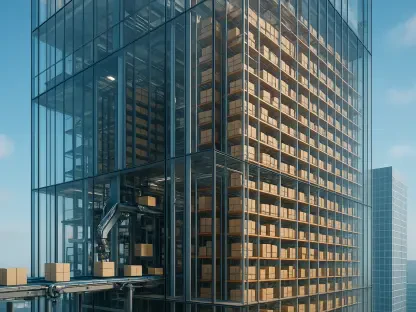
The industry is also evaluating the feasibility of vertical warehousing versus current urban optimization models. While vertical growth seems like a logical solution in a land-constrained city, the operational realities of the Mexican market currently favor horizontal optimization of existing spaces. The costs and technical complexities of building multi-story warehouses are significant, and many tenants still prefer the ease of access provided by traditional layouts. However, as land prices continue to climb, the pressure to build upward will likely increase, forcing a new phase of architectural innovation in the industrial sector.
The Sustainable and Social Responsibility Mandate
The rising importance of green building standards is transforming how industrial assets are valued, with LEED certification becoming a prerequisite for attracting high-tier tenants. Multinational corporations are under increasing pressure to meet global sustainability targets, and they are seeking warehouses that reflect these values. Features such as high-efficiency lighting, water recycling systems, and low-emission materials are no longer optional extras but are central to the competitive positioning of a modern logistics hub. This shift is driving a general improvement in the environmental performance of the city’s industrial stock.
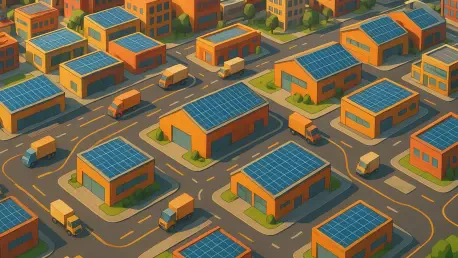
Electrification of the logistics chain is another critical component of this sustainable mandate. Developers are now providing the necessary infrastructure, such as electric vehicle charging stations and solar panels, to support a decarbonized supply chain. By integrating these features into the warehouse design, they are removing one of the biggest barriers to the adoption of electric delivery fleets. This proactive approach not only helps tenants reduce their carbon footprint but also contributes to the broader goal of improving air quality in the metropolitan area, making logistics a partner in the city’s environmental goals.
Human capital investment is also being integrated into the social responsibility strategies of leading developers. By incorporating onsite educational facilities and vocational training programs, companies are fostering social mobility for the local workforce. These programs allow workers to gain new skills while on the job, creating a more capable and versatile labor force. This focus on the human element ensures that the economic benefits of new logistics hubs are shared more equitably, strengthening the social fabric of the neighborhoods in which these facilities are located.
The Future Path of the Metropolitan Logistics Corridor
The successful models tested in Mexico City are already being exported to other major commercial hubs like Monterrey and Guadalajara. This intercity expansion is creating a standardized network of logistics infrastructure across the country, making it easier for companies to scale their operations nationally. By replicating the urban optimization strategies developed in the capital, these cities are also beginning to see the benefits of more efficient last-mile delivery and the revitalization of their own industrial districts.
Technological integration is set to play an even larger role in the coming years, with artificial intelligence and real-time tracking optimizing the last-mile journey. These tools allow for a level of precision that was previously impossible, reducing delivery times and minimizing fuel consumption. As the metropolitan corridor becomes smarter, the gap between the warehouse and the doorstep will continue to shrink, creating a more seamless experience for both businesses and consumers. This digital layer is the “invisible” infrastructure that will drive the next phase of economic productivity.
Finally, the alignment of Mexico City’s logistics network with global supply chains is positioning the capital as a critical node in the nearshoring trend. As companies move their operations closer to North American markets, the efficiency of the local distribution network becomes a major competitive advantage. The metropolitan logistics corridor is not just a local asset; it is a vital part of a global strategy to create more resilient and responsive supply chains. This global alignment ensures that Mexico City will remain at the heart of international trade for the foreseeable future.
Summary of the Economic Transformation and Future Outlook
The strategic deployment of new logistics hubs across the Valley of Mexico served as a definitive turning point for the metropolitan economy. By narrowing the geographic gap between storage facilities and the end consumer, the industry successfully reduced transportation costs and enhanced the overall efficiency of the commercial ecosystem. The repurposing of industrial land proved to be a viable path toward urban revitalization, demonstrating that aging infrastructure could be transformed into a high-value asset through targeted investment and technological integration. This process reinforced the city’s role as a primary gateway for trade and innovation.
Long-term viability for stakeholders remained tied to the ability of the sector to balance rapid growth with environmental and social obligations. The transition toward green building standards and the electrification of delivery fleets provided a necessary blueprint for a more sustainable industrial future. Stakeholders who prioritized these elements found themselves better positioned to attract top-tier global tenants and navigate the evolving regulatory landscape. The integration of social programs further ensured that the logistics revolution contributed to broader community development, making these hubs essential components of the urban social fabric.
The final verdict on the expansion of modern logistics infrastructure was that it provided the essential key to unlocking the capital’s economic resilience. As the city navigated the complexities of global supply chain shifts, the presence of a sophisticated urban distribution network offered a significant competitive advantage. The evolution from traditional manufacturing toward a high-tech logistics corridor was not merely an industrial change but a fundamental shift in the city’s economic identity. These developments ensured that Mexico City was prepared to meet the demands of a digital future while maintaining its status as a robust center of regional commerce.