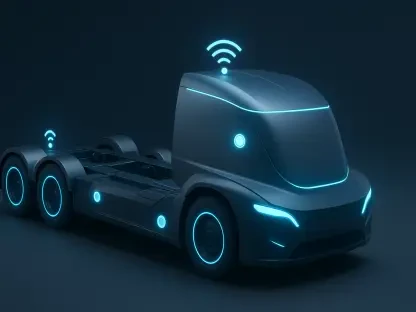

Rohit Laila has spent decades navigating the intricate web of global supply chains, witnessing firsthand how technology either bridges gaps or creates new hurdles for the movement of goods. As an expert in logistics innovation with a career spanning deep operational roles and high-level strategy,
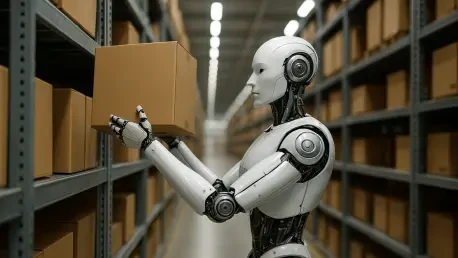
The relentless demand for instantaneous fulfillment has pushed traditional warehousing models to their absolute breaking point, forcing a radical shift toward autonomous solutions that can mimic human dexterity while maintaining the tireless precision of industrial machinery. As supply chains
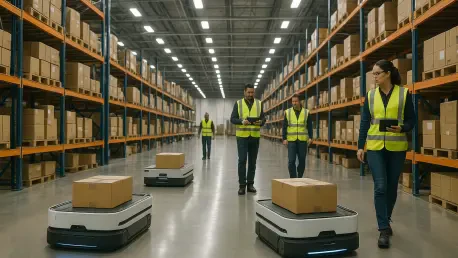
The industrial landscape is navigating a critical inflection point where robotics is transitioning from an experimental luxury to a fundamental strategic necessity. This shift reveals a startling disconnect: while 60% of global executives plan to deploy robot fleets from 2026 to 2031, a significant

The logistics industry is currently navigating its most significant transformation since the invention of the shipping container, moving away from simple mechanical improvements toward a future defined by intelligent, self-optimizing systems. At the forefront of this shift is Rohit Laila, a veteran

Every single second a retailer spends waiting to manually act on a sophisticated data point is a second that a customer likely spends migrating toward a competitor’s more responsive mobile platform. The modern market rewards speed above all else, yet many organizations remain paralyzed by the very

Life-saving medical interventions depend entirely on the immediate availability of surgical tools and medications, yet the logistical backbone of healthcare has historically been plagued by inefficient manual tracking methods. For decades, clinicians and supply chain staff spent countless hours