
The intricate orchestration of moving physical goods across oceans and continents has transformed from a labor-intensive necessity into a high-stakes digital frontier where data points are as valuable as the cargo themselves. As the world navigates the midpoint of this decade, the logistics sector
The global retail industry is currently experiencing a seismic shift as major corporations transition from basic automation to advanced artificial intelligence systems designed to orchestrate every aspect of the consumer experience. No longer confined to experimental pilot programs, AI is becoming

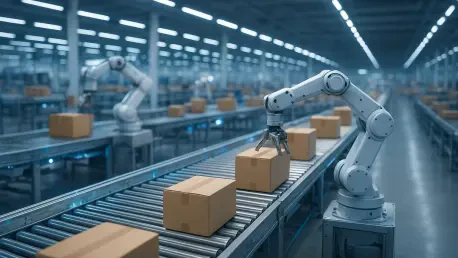
The logistics and robotics landscape is currently undergoing a massive transformation, driven by a surge in demand for automation and the rapid evolution of artificial intelligence. As we navigate the midpoint of 2026, the industry is witnessing a fascinating intersection where theoretical AI

The rhythmic hum of electric motors on suburban streets at midnight signifies a fundamental shift in how goods move through our increasingly dense urban centers without a single human driver behind the wheel. This transition marks the evolution of last-mile delivery from a labor-intensive manual

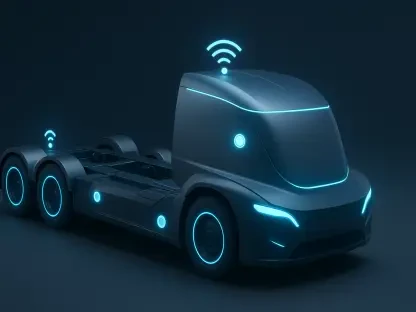
The sight of a forty-ton Class 8 truck navigating a bustling interstate without a human behind the wheel has transitioned from a science-fiction trope into a daily reality for major logistics hubs across the Sun Belt. While the technological milestones achieved on the open highway are undeniable,

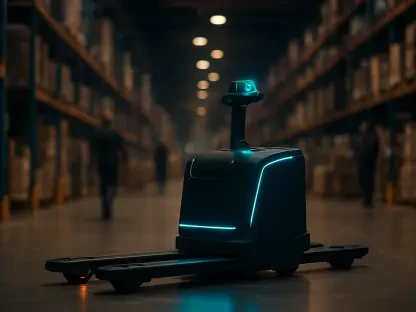
The rapid evolution of American consumer behavior has fundamentally altered the architectural landscape of metropolitan logistics, forcing retailers to abandon centralized shipping models in favor of hyper-local automation. This transition is not merely a tactical adjustment to existing supply