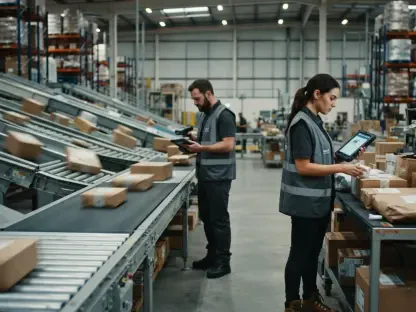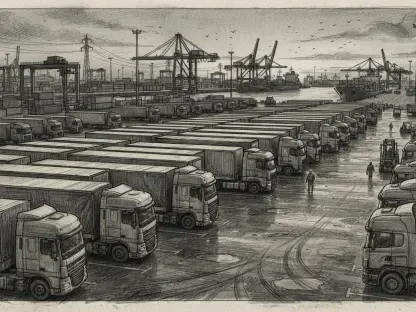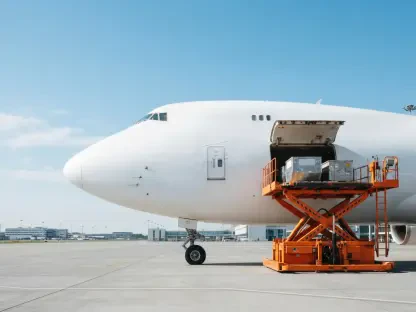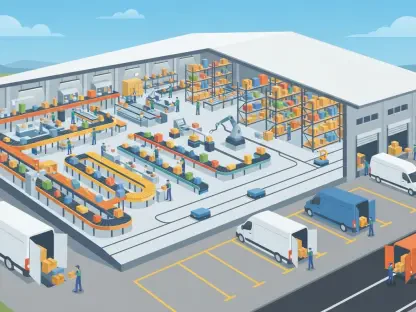

Napa Auto Parts is integrating high-density automated storage and retrieval systems to modernize its fulfillment centers and address the growing need for supply chain resilience. This strategic initiative involves a robust partnership with Hy-Tek Intralogistics and Hai Robotics to deploy advanced HaiPick Systems across its major distribution hubs. By utilizing modular robotic solutions, the company effectively bridges the gap between traditional manual warehousing and high-throughput, goods-to-person fulfillment models. The automotive aftermarket industry demands a vast inventory of components, ranging from tiny sensors to heavy brake rotors, making storage density a critical factor for success. These automated systems are specifically designed to optimize vertical space, allowing facilities to house more SKUs within the same footprint. As consumer expectations for rapid delivery continue to rise, the ability to store and retrieve parts with surgical precision has become a fundamental pillar of the brand’s long-term growth strategy.
Efficiency Through Robotics: Maximizing Density and Precision
The integration of Autonomous Case-Handling Robots represents a significant leap forward in how automotive components move from the shelf to the loading dock. These robots navigate narrow aisles to retrieve individual totes, which minimizes the need for extensive conveyor systems and reduces the overall energy consumption of the facility. Because the automotive sector deals with an immense variety of parts, maintaining high order accuracy is paramount to avoiding costly returns and shipping delays. The HaiPick solution enables precise tracking of every item, ensuring that the correct gasket or alternator is selected every time. This level of automation allows workers to remain at ergonomic pick stations where items are brought directly to them, eliminating miles of walking per shift. Consequently, the transition to this robotic framework has allowed for a more consistent flow of goods, stabilizing output during peak demand periods without necessitating massive increases in the labor force.
Before implementing these systems on a wide scale, the retailer conducted exhaustive performance trials at the Hy-Tek Innovation Lab. This rigorous validation process allowed logistics engineers to simulate real-world warehouse scenarios and stress-test the hardware under varying workloads. By analyzing data from these simulations, the technical teams fine-tuned the software algorithms that govern robot traffic and inventory slotting. This proactive approach ensured that the modular framework could adapt to the unique logistical challenges found in the automotive parts market, such as managing high-velocity items alongside slow-moving specialty components. The success of these trials demonstrated that the robotic architecture could seamlessly integrate with existing warehouse management systems. By investing in this pre-deployment testing, the company mitigated the risks associated with large-scale automation transitions, providing a blueprint for future facility upgrades. The move highlights a shift toward data-driven decision-making in logistics.
Strategic Evolution: Integrating Artificial Intelligence and Modularity
Beyond simple storage and retrieval, the company is increasingly relying on artificial intelligence to orchestrate the movement of goods. Earlier pilots involving AI-powered robots from BrightPick set the stage for the current transformation by demonstrating how mobile units can independently pick and consolidate orders. These machines use computer vision and machine learning to identify different objects, allowing them to handle a diverse range of packaging styles and weights. By automating the physical transport of inventory, the company has significantly reduced the ergonomic strain on warehouse associates, who previously spent hours navigating vast aisles. The current strategy builds on these successes, creating a multi-layered automation environment where different robotic platforms work in tandem. Artificial intelligence serves as the brain of this operation, predicting demand patterns and repositioning stock closer to pick stations before orders are even placed. This predictive capability is essential for managing the supply chain volatility that has characterized the global economy since 2026.
To maintain this operational momentum, decision-makers focused on the necessity of a resilient workforce trained for robotic maintenance and system oversight. It was essential for the technical teams to prioritize the security of the automated network, implementing advanced encryption to safeguard proprietary logistics data. The organization explored the potential of edge computing to minimize latency in robot communications, which ensured faster response times during unpredictable surges in demand. Leaders realized that success depended on maintaining a modular hardware architecture that allowed for incremental updates without disrupting operations. This strategic approach moved the entire supply chain toward a more autonomous and self-correcting model. Ultimately, the integration of these systems provided a stable foundation for distribution as market conditions evolved from 2026 into the future. This transition secured a competitive advantage by aligning physical capacity with digital precision, preparing the brand for a landscape defined by rapid change.