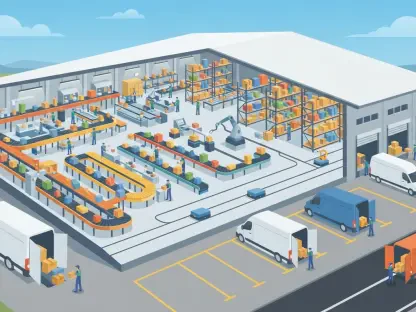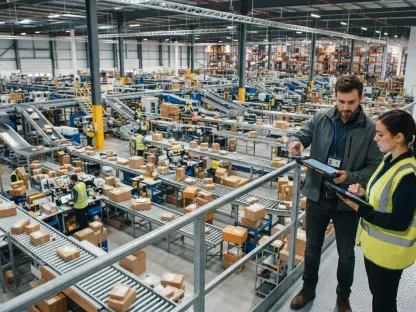

The rapid convergence of digital inventory management and physical retail execution has transformed the way modern merchants approach customer satisfaction and supply chain efficiency. Unified commerce represents a strategic move beyond simple omnichannel sales toward a transparent environment where inventory, fulfillment, and storefronts align perfectly. This evolution is currently spearheaded by sophisticated Point of Sale (POS) extensions that bridge back-end logistics with front-end sales. By embedding warehouse-level operational rigor directly into the storefront, these tools position themselves as the new gold standard for Shopify merchants seeking to scale operations in an increasingly complex global market.
The Evolution of Seamless Retail Integration: From Silos to Systems
To understand the significance of this technological shift, one must look at the historical trajectory of retail software. For years, merchants operated with siloed systems where the online shop, physical store, and warehouse rarely communicated in real time. However, the industry is currently witnessing a transition away from basic tracking as legacy tools like the Stocky app prepare for retirement on August 31. This shift is driven by a necessity for data transparency and the reality that physical stores must now function as strategic fulfillment hubs.
Bridging the Gap: Warehouse and Storefront Operations
Enhancing Storefront Intelligence: Real-Time Inventory Visibility
One of the most critical challenges for modern retailers involves lost sales due to local stockouts. Advanced POS extensions address this by providing store associates with visibility across all distribution centers and physical locations without leaving the Shopify interface. This level of data democratization allows an employee to save a sale by routing an out-of-stock item from another location directly to a customer’s home. By integrating warehouse capabilities into the store, brands ensure their inventory is always active, regardless of where a customer shops.
Streamlining Omnichannel Fulfillment: Cohesive Storefront Models
Executing flexible shopping options like “buy online, pick up in store” requires high operational rigor. The consolidation of purchase orders, receiving, and cycle counting into a single screen significantly reduces the technical burden on staff. This streamlined approach allows retail employees to focus on customer engagement rather than troubleshooting fragmented software across multiple devices. By treating the physical store as a node in a wider supply chain, brands turn their brick-and-mortar footprint into a major competitive advantage.
Overcoming Technical Fragmentation: Financial and Global Integration
True unified commerce requires a robust connection between front-end retail and back-end accounting systems. Integration with platforms like Oracle NetSuite ensures that every transaction and inventory movement is reflected accurately in financial records. This regional and global scalability is supported by rapid deployment models, often requiring 90 days or less, which mitigates the risk of operational disruption. Such high-performance connections prevent the data silos that typically hinder enterprise-level growth.
The Future Outlook: AI-Driven Supply Chain Intelligence
Looking ahead from 2026 to 2028, the partnership between logistics platforms and storefronts points toward a future defined by AI-powered intelligence. As retailers accumulate granular data through integrated platforms, the next step involves predictive fulfillment. We are likely to see systems that proactively suggest inventory redistribution based on local demand trends and seasonal shifts. This evolution will be influenced by economic pressures to reduce carrying costs and regulatory pushes for more sustainable, localized shipping methods.
Strategic Recommendations: Navigating the Operational Transition
For businesses navigating this landscape, the primary requirement is operational rigor. Merchants should prioritize platforms that offer a single source of truth for inventory to avoid the pitfalls of overselling and customer dissatisfaction. Best practices include training staff to utilize real-time data for “endless aisle” selling and auditing current fulfillment workflows to identify bottlenecks. Transitioning to robust warehouse management systems before legacy apps expire is a proactive strategy that ensures a brand remains agile.
Consolidating the Narrative: The Shift Toward Unified Commerce
The integration of advanced logistics into the storefront signaled a major turning point for the modern retail industry. Retailers who adopted these data-driven solutions found that merging the warehouse with the storefront provided the transparency required to thrive in a competitive landscape. This ability to transform physical stores into strategic assets proved essential for long-term survival. As the market matured, those who embraced integrated commerce defined the new standard for the customer experience.