Modern logistics networks are no longer judged by their ability to track a package, but by their capacity to anticipate a disruption before it ever impacts the bottom line. The current state of global supply chains marks a definitive transition from the volatile post-pandemic recovery phase to a
The global movement of goods is no longer a matter of simply watching dots move across a screen; it is now defined by the seamless fusion of information and physical response in real time. Modern logistics operations are rapidly shedding their traditional, fragmented identities to embrace unified
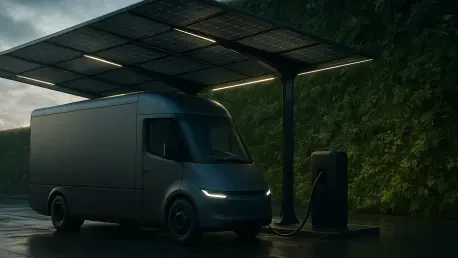
Rohit Laila is a veteran of the logistics world, possessing a career that spans decades and covers every facet of the supply chain from the warehouse floor to global delivery networks. As an expert who has witnessed the industry's shift from manual tracking to high-speed digital ecosystems, he is
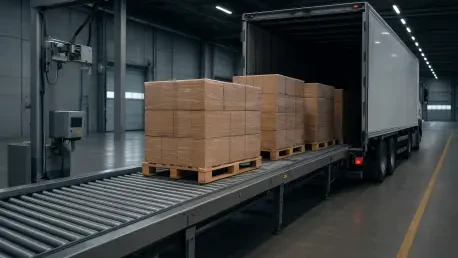
The persistent reliance on manual forklift operations at the loading dock represents a significant invisible bottleneck that often stalls the momentum of even the most sophisticated digital supply chains. While production floors and global shipping routes have undergone radical modernization, the
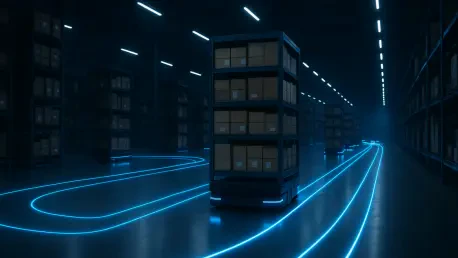
The logistics sector is no longer just about storing boxes; it has become an intricate dance of digital intelligence and physical execution that demands more than what traditional software can provide. As global supply chains transition from static storage to dynamic fulfillment centers, the
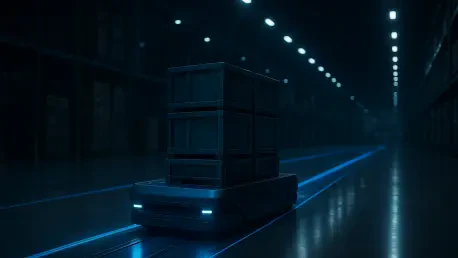
The traditional image of a warehouse as a silent, dusty storage facility has been decisively replaced by a high-octane digital hub where every microsecond of movement translates directly into profit or loss for the modern global enterprise. In the current economic climate, the speed of fulfillment