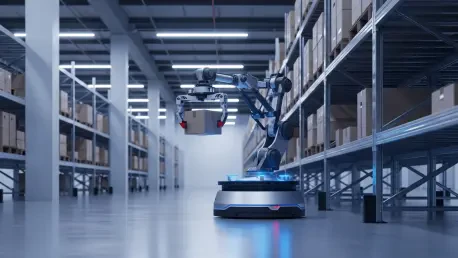

In a global economy where disruptions have become the standard rather than the exception, the ability to pinpoint a shipment’s location on a digital map is no longer a competitive edge but a baseline requirement for survival. Modern logistics networks have spent years investing in sensors and
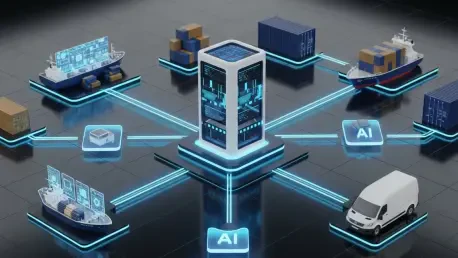
Modern logistics hubs hum with the sound of automated sorters and electric fleets, yet the digital brains managing these complex networks remain surprisingly tethered to legacy logic and manual oversight. While artificial intelligence dominates every boardroom conversation, the transition from
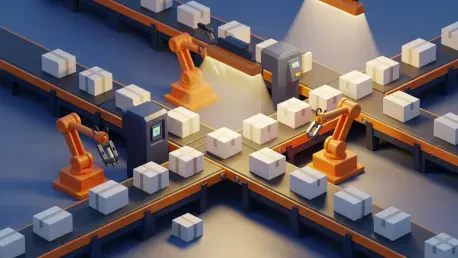
The global supply chain currently functions on a fragile foundation where seasoned professionals act as the primary glue between incompatible software systems, spending countless hours on manual data entry that costs the industry billions annually. Logistics workflow automation represents a
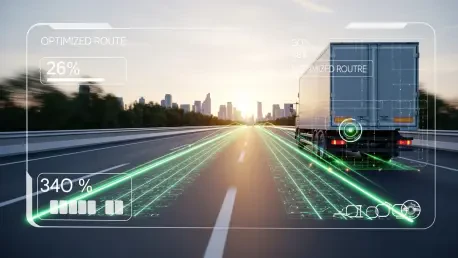
The friction of global trade once resided in the fallibility of human intuition, but modern supply chains rely on a seamless mesh of silicon and logic to move goods across continents without a single wasted second. This transition represents more than a simple software update; it is a fundamental

The sheer velocity of the current technological revolution has left many organizations sprinting toward a horizon they are not yet equipped to inhabit. While boards of directors and executive suites project an image of digital mastery, a silent crisis of competence is unfolding beneath the surface
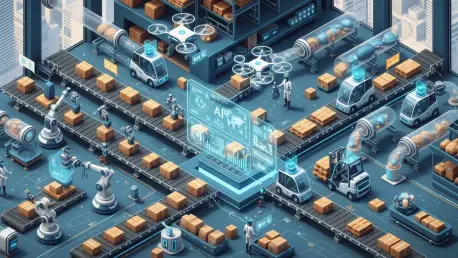
Introduction The relentless pressure of global logistics demands a departure from the rigid, reactive legacy systems that have historically left supply chain managers scrambling whenever a single shipment is delayed. Modern supply chain execution is no longer just about moving goods from point A to