
The relentless expansion of metropolitan centers has pushed traditional delivery frameworks to the edge of total systemic failure, forcing a radical reimagining of how goods traverse the final mile. As global urbanization reaches new heights, the methods of moving goods through city centers are encountering extreme pressures from strict environmental regulations and narrowing delivery windows. To navigate this, the industry is undergoing a profound shift, moving away from static, reactive logistics toward a smart mobility model. Integrated data ecosystems and artificial intelligence are replacing guesswork with precision, ensuring that the movement of freight remains efficient and sustainable in an increasingly crowded world. By examining the transition to data-driven corridors, the transformation of the logistics sector into a high-tech network becomes visible.
Historical Shifts: The Evolution of Freight Frameworks
For decades, freight logistics relied on historical data and rigid schedules that often fell apart the moment a truck hit real-world traffic. In the past, the disconnect between back-office planning and actual vehicle execution was considered a standard cost of doing business. However, as cities have grown more congested and vehicle weight or height restrictions more common, these inefficiencies—often called urban friction—have become unsustainable for modern commerce. Foundational concepts like simple GPS navigation are no longer sufficient for heavy goods vehicles that must account for axle-weight limits and bridge clearances.
Understanding this historical shift is vital because it highlights why the industry can no longer operate in silos. The move toward integrated, real-time data is a direct response to the failures of the fragmented models of the past. As companies moved toward 2026 and beyond, the necessity for specialized, commercial-grade tools became the primary driver of operational success. This evolution set the stage for a technological overhaul that prioritizes precision over simple proximity, allowing the sector to survive in environments where space and time are at a premium.
Technological Pillars: Navigating Urban Supply Chains
Precision Routing: The Power of Commercial Mapping
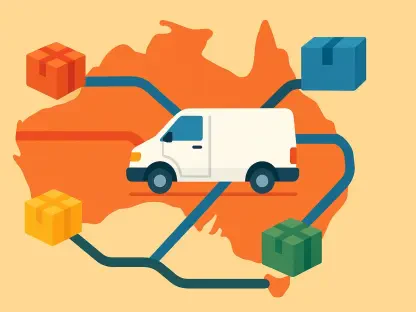
One of the most critical aspects of modern logistics is the move toward commercial-grade mapping. Unlike consumer-level navigation apps designed for passenger cars, specialized freight systems integrate legal restrictions and physical vehicle parameters into every route calculation. This single source of truth allows carriers to avoid costly detours and fines associated with restricted zones or weight-limited bridges. By using data that reflects the actual physical constraints of a truck, companies can ensure compliance and predictability. The benefit is clear: a reduction in empty miles and a significant drop in fuel consumption, which directly supports both the bottom line and broader decarbonization goals.
Artificial Intelligence: Redefining Procurement and Visibility
Building on the foundation of precise routing is the integration of artificial intelligence into procurement and visibility. The logistics industry is moving toward autonomous procurement, where AI-driven tools match spot loads to available truck capacity in real time. This minimizes the time vehicles spend traveling without cargo and maximizes every square inch of available trailer space. Furthermore, predictive intelligence provides stakeholders with accurate estimated times of arrival by analyzing live traffic and historical patterns. This transparency allows for proactive disruption management—if a delay is detected, the system can recalculate the entire chain before the problem escalates.
Synchronized Operations: Closing the Warehouse Visibility Gap
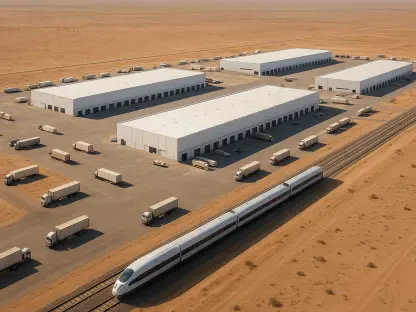
The complexity of urban freight extends beyond the road and into the warehouse yard, which is often the most significant bottleneck in the supply chain. Innovative logistics models now synchronize cab-level data with dock management systems to create self-correcting schedules. If a truck is delayed on the highway, AI automatically adjusts its dock appointment, alerting the warehouse team and preventing idling in urban centers. This synchronization is particularly important in regions with strict local air pollution laws. By addressing these often-overlooked intersections of transport and facility management, businesses can navigate regional regulatory differences and avoid common logistical failures.
Future Trends: Anticipating the Next Logistics Frontier
The road ahead for urban freight is defined by the total orchestration of data across entire networks. There is a move toward a landscape where self-healing supply chains are the norm—systems that not only detect disruptions but resolve them autonomously. Technological shifts such as the wider adoption of electric heavy goods vehicles will require even more sophisticated data to manage charging stops and range constraints within urban delivery routes. Regulatory pressure will likely increase, with more cities adopting green zones that require perfect data synchronization to enter. Carriers who thrive will be those who view themselves as data-driven tech entities capable of operating within a fully connected, transparent ecosystem.
Implementation Strategies: Building Resilient Data Frameworks
To stay competitive, businesses must prioritize the integration of their data silos. A major takeaway from the current shift is that good enough data is no longer sufficient; companies should invest in commercial-grade mapping and cloud-based platforms that bridge the gap between shippers and carriers. Actionable strategies include implementing real-time visibility tools and linking transport management systems with yard management software. For professionals in the field, the recommendation is to focus on interoperability—ensuring that every piece of software in the chain can communicate seamlessly. By adopting these best practices, organizations can transform urban friction into a competitive advantage, ensuring goods are delivered faster and more sustainably.
The Synthesis of Intelligence and Infrastructure
The transformation of urban freight logistics through smart data and AI represented a fundamental necessity for the modern economy. By moving from fragmented, static models to a unified, data-driven corridor, the industry successfully overcame the inherent challenges of congestion, regulation, and environmental impact. This evolution ensured that the movement of goods remained a precision-engineered flow rather than a reactive struggle. As timing and efficiency became the ultimate metrics of success, the ability to orchestrate data across the entire logistics network remained the most significant factor in building a resilient and transparent global supply chain. This path forward integrated automation and innovation to keep the world moving efficiently.