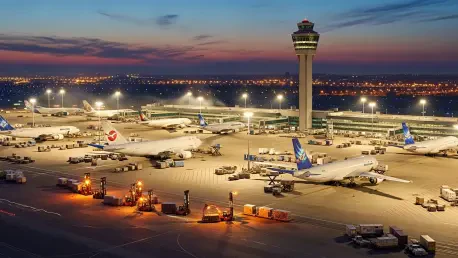

The global logistics landscape has reached a critical juncture where the seamless movement of goods via air freight is no longer a guaranteed service but a hard-won luxury. As the current year unfolds, the transition from temporary supply chain disruptions to a permanent state of structural scarcity has fundamentally altered how international trade operates across every major continent. Businesses that once relied on a surplus of available cargo space now find themselves navigating a restrictive environment defined by soaring costs and geopolitical volatility. This shift is not merely a seasonal fluctuation; it represents a profound realignment of the aviation industry, driven by the explosive growth of the high-tech sector and a significant reduction in traditional transit corridors. The urgency to secure transit capacity has led to a strategic arms race among multinational corporations, effectively pricing out smaller players and forcing a total reconsideration of global distribution models. This new reality demands a total departure from outdated shipping practices.
The Geopolitical Influence on Global Trade Routes
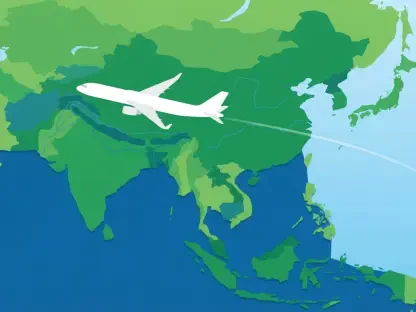
The collapse of long-standing diplomatic agreements has fundamentally rewritten the rules of international shipping, forcing a total transformation of the routes that connect global markets. Major transit hubs, which once handled a significant portion of all cargo moving between manufacturing centers in Asia and consumer markets in Europe, have seen a massive suspension of services due to regional instability. This disruption has removed a critical layer of flexibility from the global network, as logistics providers can no longer rely on the efficiency of established flight paths. Instead, they are forced to navigate a fragmented sky where sudden closures and restricted overflight rights are the new norm. The resulting complexity has added significant time and expense to every shipment, as carriers seek out longer, more costly alternatives to bypass zones of conflict. This geographical reconfiguration is a primary driver of the current capacity shortage, as the available fleet is stretched thin across much longer distances than previously required.
Regional Instability: Rewriting the Rules of the Sky
Recent developments have caused a cascading failure across the traditional networks that once served as the backbone of East-West trade connectivity. Major logistics routes are currently facing unprecedented operational constraints that prevent the smooth flow of essential goods across borders. The suspension of overflight rights across large swaths of the continent has effectively stripped the market of twelve percent of its total available freight capacity in a matter of months. Consequently, carriers are forced to adopt circuitous flight paths that add thousands of miles to each journey, significantly increasing fuel consumption and pilot flight hours. These extended routes do more than just raise prices; they reduce the frequency of available flights as each aircraft is tied up for longer durations, creating a localized bottleneck that resonates through the entire global logistics ecosystem. This environment has made the concept of a predictable shipping schedule an artifact of the past, requiring constant tactical adjustments.
Hub Closures: The Disappearance of Transit Corridors
The erosion of belly-hold capacity has emerged as the most damaging byproduct of ongoing regional instability, as passenger airlines prioritize safety over cargo revenue. In previous cycles, the vast majority of smaller shipments were carried in the holds of commercial passenger flights, providing a flexible and cost-effective buffer for global trade. However, as major international carriers cancel services to high-risk zones or bypass entire regions altogether, this hidden network has essentially evaporated, leaving a massive void that dedicated freighter aircraft cannot fill. The reliance on specialized cargo-only planes has placed a massive strain on an aging fleet, as the sudden disappearance of passenger-based transit options means that every pallet must now compete for limited space on a freighter. This shift has forced logistics managers to move toward rigid, high-cost contracts that offer little room for error or sudden changes in demand, especially during the height of the peak shipping seasons.
Market Drivers and the Cost of Imbalance
Current economic data reveals a stark divergence between the surging appetite for rapid delivery and the physical reality of the global aviation fleet. While global demand for air transport has increased by a steady four percent, the actual supply of cargo space has grown by only one percent, creating a persistent deficit that prevents any return to historical pricing norms. This imbalance is particularly visible in the rising costs of fuel and labor, which are being passed directly to consumers through higher freight surcharges and base rates that continue to escalate annually. Analysts suggest that this inflationary pressure is becoming a permanent fixture of the industry, as the capital expenditures required to modernize fleets remain prohibitively high. For many companies, the cost of shipping has moved from a manageable operational expense to a primary strategic hurdle that dictates whether a product line remains viable in international markets or is relegated to domestic consumption only.
Economic Friction: The Rising Price of Logistics
The nature of global commerce is shifting as the artificial intelligence boom puts immense pressure on trade lanes that were already operating at near-maximum capacity. High-value semiconductors and sensitive data center equipment require the speed and safety of air travel, and these shipments are often non-negotiable for the companies building the next generation of digital infrastructure. While new government regulations and environmental taxes have slowed down the flood of cheap e-commerce packages, the high-tech sector has quickly filled that space, keeping the market in a state of constant tension. This has effectively killed any hope of returning to the lower shipping rates seen in previous years, as the premium placed on space continues to climb. Businesses are now finding that the ability to move goods quickly is no longer just about meeting customer expectations but about the survival of their technological roadmaps, creating a environment where only the highest-margin products can afford the journey.
Technological Demand: The Artificial Intelligence Surge
The transition toward a more resilient and forward-thinking logistics strategy became the only viable path for survival as the traditional just-in-time model finally reached its breaking point. Stakeholders recognized that waiting for market conditions to normalize was no longer a productive option, and instead, they focused on diversifying their transit methods and securing long-term capacity early. Many successful firms shifted toward a hybrid-hub approach, utilizing underused regional airports that bypassed the congestion of major global gateways and offered more predictable turnaround times. Furthermore, the integration of advanced predictive analytics allowed logistics teams to anticipate regional bottlenecks before they caused total shipment failures, enabling a more proactive stance toward route planning. By embracing multimodal solutions—such as combining sea-to-air transit points in more stable regions—businesses managed to mitigate the worst effects of the structural shortage. This era forced a strategic evolution that prioritized partnerships.