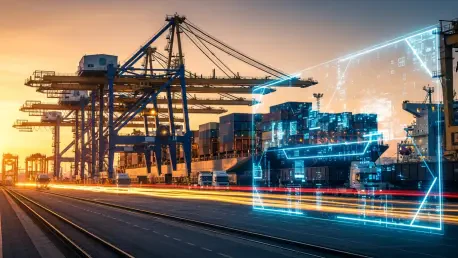

The persistent bottlenecks at the Port of Durban and the systemic inefficiencies throughout the national rail network have created a logistics crisis that currently hampers the ability of South African exporters to compete in the global marketplace. While the physical deterioration of aging infrastructure remains a significant hurdle, the lack of integrated data management has exacerbated the impact of every mechanical failure and port delay. Artificial intelligence has emerged as a critical cognitive tool that can bridge the gap between existing physical limitations and the necessity for streamlined operations. Rather than replacing physical tracks or cranes, AI serves as a central nervous system for the supply chain, capable of pulling disparate data streams into a unified, actionable overview. By synthesizing information from shipping manifests, weather patterns, and port schedules, AI enables logistics providers to navigate the current instability with greater precision and foresight.
Shifting From Reactive to Proactive Operations
The historical approach to logistics management in South Africa has long been defined by a reactive posture where managers respond to crises only after they manifest as physical blockages. Traditional digital tools provided basic visibility into current shipments, but they lacked the analytical depth to anticipate the cascading effects of a single rail derailment or a sudden surge in vessel arrivals. Today, advanced machine learning models are transforming this dynamic by shifting focus toward predictive management, allowing operators to see potential disruptions days before they occur. By analyzing millions of historical data points alongside real-time variables like terminal equipment availability and regional labor trends, AI identifies subtle patterns that escape human observation. This foresight allows logistics firms to reroute cargo, renegotiate berthing windows, or adjust trucking schedules in anticipation of trouble, thereby minimizing the duration of downtime and maintaining a more consistent flow of goods across the country.
This predictive capability is particularly transformative when applied to the preservation of the country’s struggling physical assets, such as rail tracks and port machinery. Instead of adhering to rigid, calendar-based maintenance schedules that often overlook early signs of structural fatigue, AI systems now utilize data from Internet of Things sensors to monitor equipment health in real time. These algorithms can detect micro-vibrations in rail segments or temperature fluctuations in container cranes that signal an impending failure long before a catastrophic breakdown occurs. Implementing a predictive maintenance strategy ensures that repairs are prioritized based on the actual risk to the supply chain, focusing limited resources on the most critical components. By fixing infrastructure before it fails, the industry avoids the massive costs associated with unplanned shutdowns and long-term disruptions. This strategic shift not only extends the lifespan of older assets but also stabilizes the reliability of the entire transport network.
Enhancing Ecosystem Collaboration and Economic Health
A logistics network operates as a complex, interconnected ecosystem where the performance of one entity, such as a private trucking fleet, is inextricably linked to the efficiency of the public port authority. Individual optimization efforts often fail to yield national benefits because improvements in one area are neutralized by congestion in another, highlighting the need for a collaborative approach. Artificial intelligence thrives in these environments by acting as a neutral platform for data sharing among transport companies, warehouse managers, and government agencies. When diverse players contribute to a shared data pool, AI can optimize the entire system rather than just isolated segments, identifying collective risks that would otherwise remain hidden. This collaborative intelligence fosters a higher level of trust across the industry, enabling synchronized operations that reduce wait times at inland terminals and coastal harbors alike. By aligning the interests of all stakeholders, the sector can finally move toward a truly integrated supply chain model.
The direct impact of these systemic improvements is most visible in the financial health of South African businesses, particularly regarding the management of working capital and inventory levels. For years, the uncertainty of the supply chain forced manufacturers and retailers to maintain excessive levels of buffer stock as a hedge against unpredictable delivery delays. This practice tied up significant amounts of cash that could have been reinvested in innovation or market expansion, effectively acting as a hidden tax on domestic industry. AI-driven forecasting models provide the accuracy needed to reduce these inventory requirements by providing a more reliable window into future supply and demand cycles. Exporters in critical sectors like mining and agriculture are now leveraging this precision to lower their operational costs and offer more competitive pricing in international markets. As supply chain reliability improves, the need for safety stock diminishes, freeing up vital capital and enhancing the overall resilience of the national economy in a global context.
Establishing Digital Foundations for Long-Term Success
It is essential to understand that artificial intelligence does not operate as a standalone solution or a replacement for foundational digital maturity within an organization. The effectiveness of any algorithm is fundamentally limited by the quality and integrity of the information it processes, necessitating a thorough digital transformation before advanced tools are deployed. Many South African logistics firms have historically struggled with data silos where information is trapped in incompatible formats or outdated legacy systems, preventing a holistic view of the business. Breaking down these silos and establishing a unified digital record is the mandatory first step for any entity seeking to harness the power of intelligence. This process involves digitizing paper-based workflows, standardizing data entry protocols, and ensuring that information flows seamlessly from the dock to the boardroom. Organizations that prioritized these digital foundations built the necessary architecture to support complex AI applications, turning raw data into a strategic asset that drives operational excellence.
The transition from crisis management to strategic growth required a fundamental shift in how leadership approached both technology and cross-sector cooperation. Decision-makers who successfully navigated this period moved beyond the search for quick fixes and instead committed to the long-term integration of cognitive tools within their daily operations. They prioritized the hiring of data-literate professionals and invested in scalable cloud infrastructure to ensure that their digital capabilities could grow alongside their physical footprints. Furthermore, the industry moved to establish standardized protocols for data exchange, ensuring that information was not just collected but effectively shared across the entire logistics value chain. These actions fostered a more resilient environment where disruptions were anticipated and mitigated with surgical precision. By focusing on predictive intelligence and collective action, the logistics sector established a new benchmark for operational efficiency that sustained national economic progress and secured a competitive position for the country.
Strategic Roadmap for Industrial Resilience
The industry eventually realized that the path to a modernized logistics network was not merely about purchasing software but about cultural and organizational alignment. Companies that thrived were those that integrated AI directly into their core business strategies, treating digital tools as essential components of their physical supply chains. They established dedicated task forces to manage the transition, ensuring that staff were upskilled and that data quality remained a top priority across all levels of the organization. By fostering an environment of continuous improvement and data-driven decision-making, these firms were able to turn once-crippling logistics challenges into a sustainable source of competitive advantage. This forward-looking approach allowed the South African transport sector to shed its reputation for unreliability and emerge as a robust, predictable link in the global economy. The investments made during this period laid the groundwork for a future where operational excellence was the standard rather than the exception, securing long-term prosperity.
Ultimately, the ability to anticipate disruptions rather than just reacting to them became the primary competitive advantage for the South African logistics sector. While the country continued the slow process of rebuilding its physical infrastructure, artificial intelligence provided a parallel path to operational excellence that did not depend on immediate, massive capital expenditures. Organizations that embraced this shift early found themselves better prepared to handle the volatility of global trade, as they possessed the tools to turn fragmented data into strategic foresight. The success of these initiatives proved that technological adoption is most effective when paired with a clear vision for integrated, ecosystem-wide collaboration. By leveraging the power of cognitive computing, the industry moved from a state of perpetual emergency to a more stable and predictable operating model. This evolution demonstrated that even in the face of significant infrastructure deficits, intelligence and data integration can pave the way for sustainable economic recovery and future-ready industrial performance across the entire southern African region.