
The sheer volume of global freight movements occurring simultaneously creates a level of complexity that traditional centralized management systems can no longer handle without significant latency or human error. In the current landscape of 2026, the reliance on static dashboards and manual intervention has given way to a more dynamic paradigm where autonomous agents act as the primary engines of operational intelligence. These sophisticated software entities do not merely follow pre-programmed “if-then” logic but instead possess the capability to observe their environment, reason through multifaceted constraints, and execute decisions that align with overarching business objectives. This transformation is driven by the necessity for extreme agility in a market characterized by volatile fuel prices and shifting geopolitical trade routes. By delegating granular decisions to distributed agents, organizations have managed to compress reaction times from hours to milliseconds. This shift represents a fundamental departure from legacy enterprise resource planning systems toward a decentralized architecture that thrives on real-time data streams.
Autonomous Coordination: The Rise of Distributed Intelligence
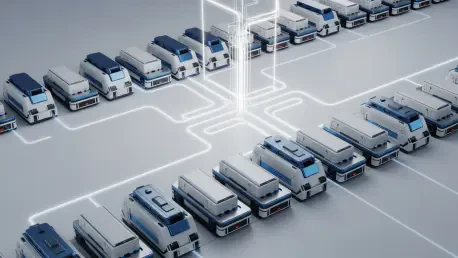
The shift toward autonomous coordination allows individual components of the supply chain to function as a cohesive, self-organizing network rather than a top-down hierarchy. Within this framework, a warehouse management agent can negotiate directly with a fleet of carrier agents to optimize loading schedules based on live traffic data and vehicle availability. This peer-to-peer communication eliminates the bottlenecks associated with centralized processing, where a single failure point could stall an entire regional operation. By utilizing multi-agent systems, companies ensure that every asset—whether it is a pallet, a truck, or a shipping container—is represented by a digital twin capable of making local decisions. These agents are programmed with specific utility functions that balance cost, speed, and environmental impact, allowing them to find optimal solutions that a human planner might overlook. This granular control has proved essential for maintaining high service levels during periods of sudden demand surges or unexpected labor shortages.
Resilience in the modern supply chain is no longer defined by the size of safety stocks but by the speed of cognitive reconfiguration during systemic disruptions. When a major port experiences a technical outage or a severe weather event reroutes maritime traffic, AI agents immediately scan the global network for alternative pathways and resources. Unlike traditional systems that require manual data entry and human assessment, these agents autonomously initiate rerouting protocols and update delivery estimates across the entire ecosystem. They evaluate the trade-offs between air freight costs and lead-time delays, presenting stakeholders with pre-vetted options or executing pre-approved contingency plans. This capability has transformed risk management from a reactive posture into a proactive strategy where potential failures are mitigated before they cascade into larger crises. The ability of these agents to process vast amounts of telemetry data from IoT devices ensures that decision-making remains grounded in the physical reality of the transit environment, reducing the gap between planning and execution.
Data Orchestration: Semantic Reasoning and Strategic Implementation
The integration of semantic reasoning has empowered AI agents to interpret unstructured data sources such as news reports, social media trends, and regulatory updates with unprecedented accuracy. Previously, logistics software struggled to incorporate qualitative information into quantitative models, leaving a blind spot for events like localized strikes or changes in customs documentation. Today, specialized reasoning agents parse these diverse inputs to identify early warning signals that might impact transit times or compliance requirements. By understanding the context behind the data, these agents can adjust procurement strategies or alert suppliers to potential bottlenecks in raw material sourcing. This advancement has led to the development of cognitive control towers where agents synthesize information from thousands of disparate sources to provide a unified view of global operations. This level of insight allows for more nuanced decision-making, such as prioritizing shipments based on customer lifetime value or contractual penalty clauses. Consequently, the role of the human operator has evolved from data entry and monitoring to high-level strategic oversight.
As organizations transitioned toward these autonomous frameworks, the focus shifted toward establishing rigorous governance structures to ensure ethical and transparent decision-making. Stakeholders recognized that delegating authority to AI agents required a foundation of trust built on explainable logic and clear accountability. Leaders prioritized the development of standardized protocols for agent interaction, which allowed for better integration across diverse international borders. The successful implementation of these systems resulted in a significant reduction in operational waste and a measurable improvement in global supply chain reliability. Moving forward, the industry addressed the need for continuous human upskilling to manage the sophisticated interface between biological and artificial intelligence. Businesses that invested in robust data security and interoperable platforms found themselves better positioned to handle the inherent volatility of global trade. The journey toward fully autonomous logistics demonstrated that the most effective solutions emerged from the synergy of algorithmic speed and human strategic intuition. This evolution paved the way for a more sustainable and responsive global economy where efficiency and resilience coexisted as core pillars.