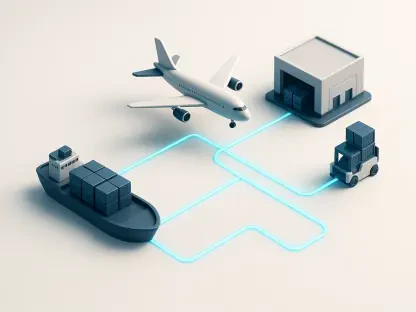

The modern landscape of global trade has shifted from a series of physical handoffs to an intricate web of digital data exchanges that require absolute visibility to remain secure and efficient. In this environment, the movement of physical goods is secondary to the real-time flow of information, which includes everything from inventory levels and financial records to sensitive customer metadata. As the industry progresses through 2026, the traditional reliance on physical security measures has become insufficient to protect against the sophisticated cyber threats targeting these interconnected networks. Experts now suggest that the most resilient supply chains are those built on a foundation of total digital oversight rather than just physical capacity. The primary challenge for logistics leaders is finding the right balance between the need for open, high-speed digital collaboration and the requirement for ironclad security protocols. Navigating this paradox is essential for maintaining operational continuity in a world where data moves as fast as the physical cargo it represents across borders.
The Risks: Navigating an Interconnected Ecosystem
Part 1: Managing Data in Motion and Security
The integration of multi-cloud platforms and management software has created a world of data in motion, where critical business intelligence is constantly shared across sprawling and diverse networks. This high level of connectivity is fundamental for maintaining coordination between various manufacturers, carriers, and end customers, but it simultaneously increases the surface area for potential security breaches. When information is perpetually traversing different systems, every point of interaction becomes a potential gateway for unauthorized access or malicious data interception. A minor vulnerability in a single application can trigger a cascading domino effect, where a compromised shipping document leads to the exposure of larger corporate financial records. Consequently, the operational continuity of a business is now inextricably linked to the security of its data streams. Organizations must treat every digital interaction with the same scrutiny as a physical cargo inspection to prevent localized incidents from escalating into massive systemic failures.
Maintaining the flow of goods requires an equal commitment to securing the flow of digital bits, as even a temporary disruption in data availability can cause significant physical bottlenecks. Beyond the immediate threat of data theft, the constant exchange of information across the supply chain introduces profound risks associated with data integrity and long-term system availability. If a central logistics hub suffers a breach, the effects can paralyze an entire ecosystem within hours, leading to significant financial losses and reputational damage that takes years to repair. In the current landscape, the complexity of modern APIs and third-party integrations often exceeds the security capabilities of individual firms, creating a situation where companies are only as secure as their weakest partner. This interconnectivity demands a paradigm shift in how logistics providers view their digital infrastructure, moving away from isolated security silos toward a more holistic and collaborative defense strategy.
Part 2: Identifying Operational Blind Spots
Despite the high level of sophistication in physical inventory management, many companies continue to suffer from a significant gap in digital oversight that creates dangerous operational blind spots. A vast majority of organizations operate with limited visibility into their own internal systems, struggling to monitor user permissions and the various digital dependencies that keep their operations running. Without clear visibility into these digital activities, it is nearly impossible to identify and stop security threats before they turn into major incidents. These blind spots are particularly dangerous when they involve high-privileged accounts or automated system-to-system communications that bypass traditional human oversight. Enhancing visibility requires the implementation of advanced monitoring tools that can track data movement and user behavior in real time. By closing these gaps, logistics providers can gain a clearer understanding of their risk profile and take proactive steps to harden their most vulnerable digital assets.
Addressing these digital blind spots is not just about security; it is also about improving the overall efficiency and reliability of the global supply chain network. When managers have total visibility into their digital operations, they can more easily identify inefficiencies in data processing and streamline the way information is shared with external partners. This transparency allows for faster troubleshooting of technical issues and ensures that all stakeholders are working with the most accurate and up-to-date information available. Furthermore, a transparent digital environment fosters greater trust between partners, as every transaction and data exchange can be verified and audited. In an era where speed and accuracy are the primary drivers of competitive advantage, the ability to see and manage the entire digital landscape is a critical requirement for success. Firms that prioritize digital transparency will be better positioned to adapt to the changing demands of the market and respond to new challenges.
Strengthening the Supply Chain: Governance and Control
Part 3: Implementing Rigorous Identity Protocols
The reliance on third-party providers remains a core component of B2B logistics, but it also represents a major security vulnerability that requires a new approach to digital governance. Organizations are moving away from granting permanent digital access to these partners, instead adopting strict governance frameworks that limit data sharing to specific timeframes and requirements. Modern identity management has evolved into a strategic operational tool that treats digital access with the same care as high-value physical cargo. This approach ensures that security policies do not hinder the speed of trade while still protecting the network from unauthorized entry by unverified entities. By implementing Just-In-Time access and Zero Trust architectures, companies can ensure that only the right people have access to the right data at the right time. This level of control is essential for preventing the lateral movement of attackers who might gain access through a less secure third-party vendor portal.
Implementing rigorous identity controls also involves a shift in how organizations select and manage their technology partners and various software-as-a-service providers. The criteria for selecting new technology now prioritize a platform’s ability to offer total transparency and secure integration over simple operational features or lower price points. Companies are increasingly demanding that their partners adhere to the same high standards of security and visibility that they maintain internally. This creates a more secure ecosystem where every participant is held accountable for their digital footprint and their impact on the overall network security. Furthermore, the adoption of standardized identity protocols makes it easier to integrate new partners into the supply chain without compromising the integrity of the existing infrastructure. This strategic focus on identity and governance allows logistics providers to build a more resilient and flexible network that can withstand the evolving threats of the modern digital landscape.
Part 4: Strategic Evolution and Actionable Resilience
To address these challenges, forward-thinking leaders implemented several critical changes to their infrastructure to ensure long-term stability and security across the entire network. Successful organizations conducted comprehensive digital audits to map out every data dependency and identified the most critical points of failure within their systems. They prioritized the deployment of automated threat detection tools that utilized machine learning to spot anomalies in data traffic before they could be exploited. By shifting from a reactive to a proactive security posture, these firms significantly reduced the time it took to identify and mitigate potential breaches. Additionally, they established clear protocols for third-party access, requiring multi-factor authentication and encrypted communication channels for all external interactions. These steps transformed the digital landscape from a source of vulnerability into a powerful engine for growth and reliability that supported the physical movement of goods more effectively.
Moreover, the industry adopted a culture of continuous improvement where regular penetration testing and security training became standard operating procedures for all employees. Companies also invested in developing standardized data sharing formats that improved the speed and accuracy of information exchange while maintaining high security standards. This move toward standardization reduced the complexity of integrations and made it easier to monitor the flow of information across different platforms. By focusing on these actionable strategies, logistics providers built a more resilient supply chain that was better equipped to handle the complexities of the modern global economy. These efforts demonstrated that digital visibility was not just a technical requirement, but a strategic imperative that defined the success of the entire logistics sector. The transition to a more transparent and secure digital environment allowed the industry to move forward with greater confidence and efficiency than in previous years.