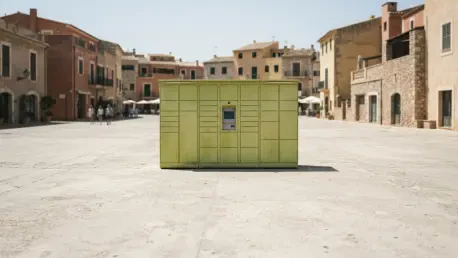

By prioritizing network densification starting in late 2025, BOX NOW Cyprus is shifting its focus from broad geographical coverage to increasing locker capacity in high-demand urban areas. This strategic pivot marks a significant evolution in how the company approaches the final stage of delivery. Rather than merely expanding into untouched territories, the emphasis is now on deepening the presence in locations where the volume of transactions necessitates more robust infrastructure. This move reflects a broader trend in logistics where the density of service points directly correlates with consumer adoption rates. By ensuring that a parcel locker is never more than a few minutes away for the average resident, the company is effectively weaving its services into the very fabric of daily life. The goal is to move beyond being a novelty delivery option and become a standard utility, as essential to the modern Cypriot as electricity or high-speed internet in today’s economy.
Strategic Growth and Control
Network Density Optimization
Selection of locker sites is not an arbitrary process but a highly data-driven exercise involving a complex matrix of geographic and social variables. Panagiotis Pavlakis, the company’s Head of Logistics, emphasizes that every location must pass rigorous tests for safety, accessibility, and visibility. The logistics team analyzes traffic patterns, pedestrian flow, and the proximity of common commercial hubs like supermarkets or business centers. This approach ensures that the lockers are placed at the intersection of consumer habits, making the pickup process a seamless addition to an existing routine rather than a dedicated errand. By 2026, the refinement of these placement algorithms has allowed the company to maximize the utility of every square foot occupied by its locker banks. This meticulous planning phase is crucial for sustaining the long-term viability of the network as it continues to grow in complexity and scale across various urban districts within the country.
Managing Peak Performance
Effective capacity management serves as the heartbeat of these operations, particularly when dealing with the physical constraints of automated locker systems. To prevent service interruptions, the company utilizes a proprietary monitoring system that identifies potential bottlenecks before they impact the end user. When a locker bank reaches two-thirds of its total volume, it enters what the logistics team calls the “red zone.” This alert triggers a series of operational maneuvers designed to clear space and maintain flow. During peak seasons, such as the period spanning from Black Friday to the New Year, the company transitions into an intensive operational mode. This includes deploying additional night shifts for restocking and intensifying digital communications to prompt users for faster pickups. By treating capacity as a dynamic variable to be managed, the logistics framework remains resilient even during the highest spikes in regional e-commerce activity and seasonal shopping periods.
Technology and User Behavior
Real-Time Problem Solving
The operational success of the system is underpinned by a robust software ecosystem that facilitates real-time communication between the central hub and field personnel. This digital backbone is essential for handling delivery exceptions, which are the unforeseen hurdles that can derail traditional logistics chains. For instance, if a driver arrives at a locker bank that has unexpectedly reached its physical limit, the system’s “redirection mode” provides an immediate solution. Instead of returning the parcel to a central warehouse—a process that is both costly and time-consuming—the operator can instantly reroute the delivery to the nearest available alternative. This agility minimizes delays and ensures that the promise of speed is maintained regardless of local congestion. Such software-driven flexibility represents a major leap forward from the rigid schedules of traditional courier services, allowing the network to adapt to reality as it unfolds on the ground.
Shifting Consumer Habits
This technological efficiency is driving a profound shift in consumer psychology regarding how and when they receive their goods. For decades, the gold standard of logistics was doorstep delivery, but this model often forced recipients to adjust their personal schedules to accommodate the arrival of a courier. In contrast, the automated parcel locker model flips the script by placing control entirely in the hands of the consumer. The 24/7 availability of the lockers allows individuals to collect their items whenever it is most convenient, whether that is during a late-night commute or an early-morning walk. This desire for autonomy and predictability has reached a tipping point where many users now view home delivery as a burden rather than a luxury. Once a customer experiences the reliability and lack of friction offered by the locker system, it typically leads to a permanent change in behavior, cementing self-service as the preferred method for e-commerce fulfillment and shipping.
Engineering and Reliability
Solar-Powered Systems
Sustainability is not just a secondary goal for the company but a core pillar of its infrastructure design, with over 90% of the locker units in Cyprus currently powered by solar energy. Operating sensitive electronics in a Mediterranean climate requires a high degree of engineering resilience to withstand both high temperatures and seasonal weather variations. While the abundant sunshine is a clear advantage, extended periods of cloud cover can actually pose a greater technical challenge than the heat itself. To address this, each unit is equipped with advanced power management systems designed to optimize energy consumption and storage. This commitment to green technology allows the company to scale its network without significantly increasing its carbon footprint, offering a blueprint for how modern logistics can align with environmental stewardship. The transition to renewable energy sources also provides a level of operational independence from the traditional power grid for the lockers.
Proactive Maintenance
To ensure these decentralized energy systems remain operational, the company employed a sophisticated array of sensors that provided real-time data on battery health and internal conditions. Technical teams monitored voltage levels and thermal profiles from a central dashboard, allowing them to perform remote diagnostics and resets if a glitch occurred. This proactive maintenance strategy ensured that any potential issues were addressed before they resulted in hardware downtime, maintaining the high standards of reliability that users had come to expect. By the conclusion of the most recent implementation phase, the logistics network had established a new standard for efficiency and environmental responsibility in the region. The focus on technological agility and sustainable engineering proved to be the right path for navigating the complexities of the modern delivery landscape. Moving forward, these densification efforts provided actionable insights for future infrastructure projects.