
The radical transformation of India’s temperature-controlled logistics is no longer a localized endeavor but a global economic necessity that dictates the stability of food prices and the safety of life-saving medicines across the subcontinent. As the nation establishes itself as a premier exporter of perishables, the cold chain network has moved beyond simple storage to become a sophisticated, technology-driven ecosystem. This infrastructure provides the essential link between a massive agricultural base and a rapidly urbanizing consumer population that demands freshness and safety. The current trajectory suggests that this sector is not only supporting domestic food security but is also becoming the primary engine for India’s ascent in international trade markets. This analysis delves into the systemic reforms, infrastructure scaling, and technological shifts that are currently redefining the landscape of Indian logistics.
Strengthening the Backbone of India’s Perishable Trade
India’s cold chain logistics network is undergoing a radical transformation, evolving from a fragmented collection of warehouses into a sophisticated, integrated framework essential for the nation’s economic growth. This infrastructure acts as a lifeline for temperature-sensitive goods, bridging the gap between rural agricultural hubs and urban consumer centers. As the country cements its status as a global leader in dairy and horticulture, the modernization of this network has become a top national priority. The current market valuation, which reached $14.16 billion in 2026, underscores the massive scale of investment flowing into this sector. These strategic reforms are designed to ensure that India can meet the rigorous quality standards required for high-value exports while feeding its own burgeoning population.
Historical Context and the Need for Reform
For decades, India struggled with significant post-harvest losses due to inadequate preservation facilities and a lack of temperature-controlled transport. Historically, the cold chain was limited to basic cold storage for potatoes and a few seasonal crops, often leaving high-value produce like fruits, meat, and medicines vulnerable to spoilage. This fragmentation resulted in substantial economic leakage and price volatility that hampered the growth of the rural economy. However, recent industry shifts driven by rapid urbanization and the urgent need for food security have forced a move toward a more comprehensive and resilient system. Understanding these past challenges is crucial to appreciating the current scale of reform, which aims to minimize waste and elevate India’s export competitiveness on the global stage.
Modernizing Infrastructure and Capacity Expansion
Boosting Storage Volume and Transportation Efficiency
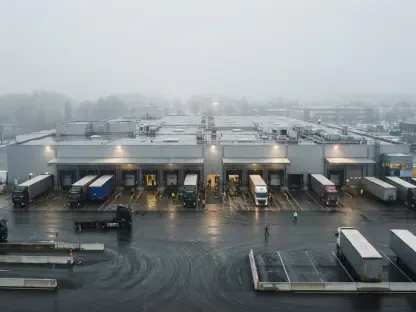
The physical landscape of India’s logistics is expanding at an unprecedented rate to meet the demands of a growing economy. As of 2026, the nation operates over 8,800 cold storage facilities with a capacity exceeding 402 lakh metric tons, yet the focus has shifted toward further growth, with projections reaching 440 lakh metric tons by 2031. Beyond stationary storage, the reefer vehicle fleet—the mobile link in the chain—is expected to more than triple from current numbers to 33,000 units within the next five years. This massive overhaul ensures that the cold chain remains unbroken from the farm gate to the consumer’s doorstep, effectively addressing the long-standing issue of the weakest link in the transit process.
Sectoral Success in Dairy and Marine Exports
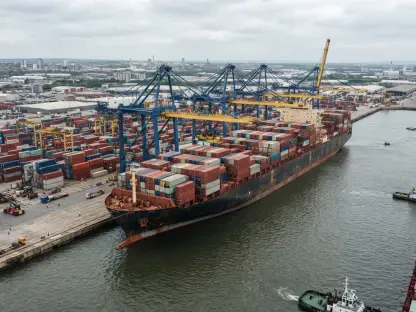
The impact of these reforms is most evident in the dairy and marine sectors, where temperature control is non-negotiable for product survival. India is currently the world’s largest milk producer, a feat made possible only through specialized cooling infrastructure that handles a surge in production reaching nearly 240 million tons recently. Similarly, the marine sector has achieved record-breaking export revenues, with frozen shrimp leading the way in global markets. These successes highlight how high-end freezing technology and international safety certifications allow Indian producers to tap into lucrative global trade routes while maintaining product integrity and consumer trust.
Integrating Irradiation and Advanced Testing Labs
To further extend the shelf life of perishables, the industry is investing heavily in disruptive preservation technologies that go beyond simple cooling. Recent initiatives include the development of 50 multi-product food irradiation units and 100 testing laboratories across the country. These irradiation units alone are set to add 30 lakh metric tons of annual preservation capacity, providing a high-tech solution to reduce microbial spoilage and prevent sprouting. By addressing misconceptions about food safety through standardized testing and scientific preservation, these advancements are diversifying the types of products that can be safely stored and exported for longer durations.
Emerging Trends and Technological Innovations
The future of the Indian cold chain is being shaped by a pivot toward green and smart logistics to combat rising energy costs and environmental concerns. Private players are increasingly adopting energy-efficient storage solutions and lower-carbon transport to align with international sustainability mandates. Additionally, the rise of quick commerce and dark stores is driving the need for hyper-local micro-warehousing, where goods are stored closer to the end consumer for rapid delivery. Experts predict that the integration of Internet of Things sensors for real-time temperature monitoring and AI-driven route optimization will soon become the industry standard, ensuring maximum efficiency and minimal environmental impact.
Strategies for Private and Public Stakeholders
For businesses and professionals looking to navigate this evolving landscape, the focus should remain on integration and compliance with global norms. Investing in end-to-end solutions through the Integrated Cold Chain and Value Addition Infrastructure scheme can provide a significant competitive advantage in a crowded market. Best practices now involve adopting global certification standards to ensure products are export-ready from the moment they leave the processing unit. Leveraging government incentives can help stakeholders offset initial capital costs while contributing to a more resilient national food supply chain that can withstand global market fluctuations.
The Future of India’s Temperature-Controlled Economy
The analysis of India’s cold chain logistics revealed that strategic infrastructure scaling and policy support became the defining pillars of the nation’s trade resilience. Stakeholders prioritized the adoption of end-to-end solutions, which successfully minimized post-harvest losses and increased export competitiveness. Companies focused on integrating green technologies and real-time monitoring systems to meet both domestic demand and international safety mandates. Moving forward, businesses recognized the necessity of investing in multi-commodity facilities and specialized transport to maintain growth. The industry pivoted toward sustainable practices and micro-logistics to address the complexities of urban consumption. Ultimately, the modernization of this network established a reliable framework that safeguarded the economic future of the country’s perishable trade.