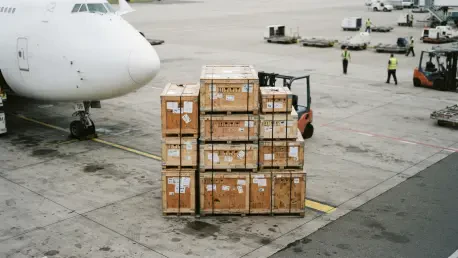

Relying solely on shipment visibility is insufficient if a business lacks the established decision triggers needed to act before air capacity becomes scarce. Global supply chains in 2026 continue to grapple with systemic vulnerabilities that turn minor delays into significant commercial disruptions. The ability to monitor a vessel’s location in real-time is a powerful tool, but it serves little purpose if the internal mechanisms for responding to that data remain stagnant or uncoordinated. Effective logistics management requires a proactive stance that anticipates the logistical hurdles of moving goods from sea to sky. Converting distressed ocean freight into air cargo is a multi-step process that involves complex re-documentation, specialized handling, and a race against fluctuating market rates. Organizations that fail to prepare for these shifts often find themselves competing for limited space at the last minute, leading to ballooning expenses and missed delivery windows that can damage long-term retail relationships and consumer trust.
1. Ranking Essential Stock and Defining Action Thresholds
Identifying which items within a single shipping container are truly critical represents the first line of defense against supply chain failure. A typical shipment may contain a mix of raw materials, finished retail goods, and non-essential maintenance supplies, each with a different level of urgency. By performing a granular SKU-level analysis, logistics professionals can isolate the specific products that must reach their destination to prevent a total shutdown of production lines or to meet strict contractual obligations for a seasonal product launch. In 2026, data-driven inventory management systems allow for this level of precision, enabling firms to make surgical decisions rather than broad, expensive maneuvers. This approach ensures that air freight budgets are not wasted on low-priority items that can afford to wait an extra two weeks on a delayed vessel. Instead, the focus remains entirely on the high-impact inventory that sustains business continuity during times of maritime crisis or unexpected port congestion.
Establishing clear benchmarks for when a delay warrants a transport mode change is a critical component of supply chain resilience. Without these predefined action thresholds, decision-making often becomes paralyzed by hope that a vessel will regain its schedule. In the current maritime environment of 2026, delays of even a few days can cascade into weeks as port congestion worsens. By setting triggers based on specific criteria—such as the number of days a ship is anchored outside a harbor or the depletion levels of regional safety stock—logistics teams can automate the transition process. This level of preparation ensures that the shift to air freight happens while capacity is still available and before the costs reach a breaking point. When these thresholds are crossed, the organization moves into an execution phase that has already been vetted for financial feasibility, removing the emotional stress and hesitation that often accompany high-stakes freight decisions during a crisis.
2. Organizing Freight Data and Analyzing Backup Options
Organizing freight data in advance serves as a vital bridge between ocean and air operations, as the documentation required for these two modes is significantly different. While ocean transport relies heavily on master bills of lading and container packing lists, aviation cargo demands specific air waybills and rigorous compliance with flight safety regulations. In 2026, digital twins and cloud-based documentation platforms have simplified this transition, yet many businesses still struggle to maintain the granular level of detail needed for an immediate shift. Accurate measurements, weight classifications, and detailed descriptions of contents must be readily available to avoid delays at the airport terminal. Furthermore, if a shipment is already at sea, logistics managers must coordinate with the carrier to ensure the swift release of cargo upon arrival. This level of organizational readiness prevents a scenario where air space is secured but the cargo remains trapped in a bureaucratic bottleneck due to missing paperwork.
Analyzing backup freight options before a crisis occurs allows organizations to explore diverse routes, including secondary airports or hybrid sea-air solutions that may be more cost-effective. During times of widespread maritime disruption, major international air hubs often become overwhelmed, leading to significant backlogs and increased handling fees. By identifying alternative gateways and regional cargo airports that are less congested, shippers can maintain a more fluid movement of goods even when the primary supply chain is under pressure. Building relationships with multiple air carriers and logistics providers ahead of time also ensures that the business remains a priority when capacity becomes limited across the industry. This proactive evaluation of the market includes staying informed about seasonal spikes and emerging trends in the global shipping lanes of 2026. Ultimately, having a diversified portfolio of transportation alternatives reduces the reliance on a single mode of transit and provides a safety net that protects the bottom line.
3. Calculating Costs and Strategic Future Considerations
Determining the actual price of procrastination is perhaps the most difficult yet essential calculation in modern logistics management. Shippers often hesitate to switch to air freight because the immediate cost per kilogram is significantly higher than ocean rates, but this narrow focus overlooks the broader financial impact of inventory depletion. In 2026, the cost of a missed delivery window can include stiff contractual penalties, lost sales revenue, and the long-term erosion of customer loyalty. By weighing the surge in transport fees against the monetary impact of halted manufacturing or empty retail shelves, businesses can justify the investment in faster transport. A proactive decision made 48 hours early can often secure more favorable air rates before the rest of the market reacts to a disruption. Waiting too long not only drives up the direct shipping costs but also limits the available options, forcing the organization into the most expensive and least efficient routes. Clear financial modeling allows for confident action.
The most successful logistics operations in 2026 adopted a holistic view of modal shifts, integrating them into their broader strategic planning rather than treating them as emergency fixes. These organizations recognized that the ability to pivot between ocean and air transport functioned as a competitive advantage in a volatile market. By digitizing their freight documentation and standardizing their response protocols, they minimized the friction typically associated with distressed cargo recovery. Leaders in the field moved away from reactive fire-fighting and instead implemented a framework that balanced speed with economic sustainability. These measures ultimately protected profit margins and ensured that critical products reached consumers without the excessive delays that plagued less prepared competitors. Moving forward, the focus shifted toward building a more modular supply chain where transport modes could be swapped seamlessly based on real-time demands and external pressures, ensuring long-term operational stability.