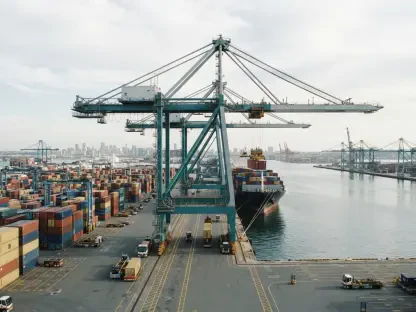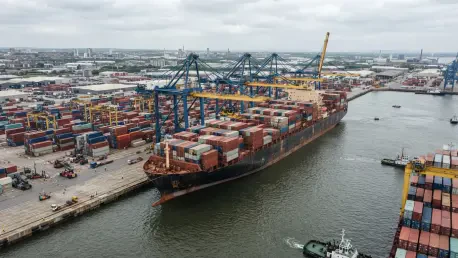

The historical obsession with optimizing global value chains for cost and efficiency has left many modern manufacturing networks dangerously vulnerable to systemic shocks. As the global economy faces increasingly frequent disruptions, from climate-driven logistics bottlenecks to sudden shifts in trade policy, the focus of multinational corporations has moved away from lean operations toward built-in redundancy. Multi-shoring has emerged as the definitive answer to this instability, representing a strategic framework where production capacity is distributed across diverse geographic markets to ensure business continuity. Unlike older models that prioritized a single low-cost location, this contemporary approach treats geographic diversity as a form of insurance against the unknown. By establishing operations in multiple regions simultaneously, companies are building the agility necessary to reroute shipments or pivot their production schedules in real time, effectively insulating their revenue streams from localized crises that would otherwise halt an entire supply chain. This shift marks a departure from the “just-in-time” philosophy, replacing it with a “just-in-case” mindset that values endurance.
Strategic Evolution and Geographic Diversification
The Shift: From Single Hubs to Multi-Hub Systems
A core component of the multi-shoring movement is the “China Plus One” strategy, which has evolved from a simple alternative sourcing plan into a complex multi-hub system. Originally gaining momentum as a way to balance production in China with capacity in secondary locations like Vietnam, this approach now reflects a more sophisticated understanding of global risk. Companies are no longer just looking for lower labor costs; they are actively reshaping their entire networks to be resistant to trade measures and regional tensions by developing manufacturing centers across various emerging economies.
By spreading manufacturing across several jurisdictions, businesses reduce the impact of any single country’s regulatory changes or economic downturns. This multi-hub architecture allows for a more fluid movement of resources, where a spike in demand in one part of the world can be met by increasing output in the nearest stable hub. The strategy has effectively ended the era of total reliance on a single geographic point of failure, creating a web of interconnected facilities that support one another.
The Implementation: Tech and Mobility Sourcing
The practical benefits of multi-shoring are most evident in high-volume sectors such as electronics, electric vehicles, and battery manufacturing. In the electronics industry, nations like Vietnam have transitioned from basic assembly points into advanced hubs that offer essential flexibility for global brands. These locations now handle complex circuit board fabrication and component integration, providing a secondary layer of production that mirrors the capabilities of traditional powerhouses.
Similarly, the automotive landscape is shifting as Southeast Asian nations like Thailand and Indonesia become central to vehicle assembly. This diversification ensures that even as certain regions remain dominant in raw material processing, the final stages of production are spread globally to prevent a single point of failure in the green energy transition. By decentralizing the assembly of lithium-ion batteries and electric drivetrains, manufacturers are ensuring that local market disruptions do not derail the global push toward sustainable transportation.
Operational Complexity and Integration
Management: Challenges of a Distributed Network
While diversifying a production footprint significantly enhances resilience, it also introduces a high degree of operational complexity. Managing a distributed network requires overseeing a vast array of variables, including inconsistent logistics infrastructure, differing labor laws, and various customs regulations across multiple jurisdictions. Each new location added to the network multiplies the potential for bureaucratic friction, requiring a specialized workforce capable of navigating international compliance standards while maintaining high output.
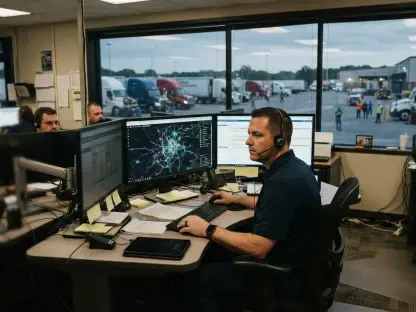
To maintain efficiency, companies must achieve high levels of real-time visibility across their entire network, tracking inventory and production volumes at every site to ensure that the distributed nature of the business does not lead to silos or delays. Digital twins and advanced analytics have become essential tools in this endeavor, allowing supply chain managers to simulate disruptions and identify the most efficient workarounds. Without this level of oversight, the benefits of multi-shoring are often negated by the sheer cost of uncoordinated logistics and redundant inventory.
The Partners: Global Trading as Connective Tissue
To navigate these complexities, many enterprises rely on global trading organizations to act as the connective tissue of their supply chains. These entities leverage extensive international networks to bridge the gaps between disparate production hubs, managing everything from material procurement to customs navigation. They provide the necessary boots-on-the-ground expertise in emerging markets where a manufacturer might lack a direct presence, ensuring that the supply of raw materials remains steady despite local political or economic shifts.
By matching raw material sourcing with the specific volume requirements of various production sites, these partners help maintain a delicate balance between a wide geographic footprint and the need for cost-effective operations. They serve as a buffer, absorbing the shock of fluctuating commodity prices and logistical delays. This collaborative model allows manufacturers to focus on their core competencies while the trading partners handle the logistical heavy lifting, effectively turning a fragmented production network into a cohesive and responsive global entity.
Strategic Synthesis: Long-Term Growth
The Balance: Integrating the Shoring Trilogy
Multi-shoring is most effective when integrated into a broader strategy that includes nearshoring and friend-shoring, creating a comprehensive approach to global operations. While nearshoring provides the speed necessary to react to local market trends and friend-shoring ensures geopolitical security, multi-shoring provides the structural redundancy required to survive systemic global shocks. Together, these three pillars allow a company to remain fast, secure, and durable regardless of the challenges that arise in any specific region.
As manufacturing networks became more distributed, the most successful firms were those that viewed these shoring strategies not as mutually exclusive but as complementary tools. They utilized nearshore facilities for high-turnover consumer goods, friend-shored sensitive technology components to secure intellectual property, and multi-shored standard industrial parts to maximize global availability. This layered defense against volatility turned the supply chain into a dynamic asset rather than a static cost center.
The Result: Resilience as a Competitive Standard
The organizations that successfully pivoted to a multi-shored model discovered that the initial investment in geographic variety paid substantial dividends during periods of peak market volatility. These leaders moved beyond simple cost-benefit analyses and prioritized the ability to maintain service levels when competitors were silenced by regional shutdowns. This strategic shift converted supply chain management from a back-office function into a primary driver of brand equity and customer trust, establishing a new baseline for what it means to be a truly global enterprise.
Actionable steps for the future necessitate a rigorous audit of all critical tier-one and tier-two suppliers to identify hidden geographic concentrations. Executives who championed these initiatives focused on building flexible procurement contracts that allowed for rapid shifts in volume between different global hubs. By fostering a culture of adaptability and investing in the digital infrastructure required to manage a fragmented footprint, businesses ensured their survival. The transition to multi-shoring ultimately proved that the most resilient networks were those that embraced complexity as a source of strength.