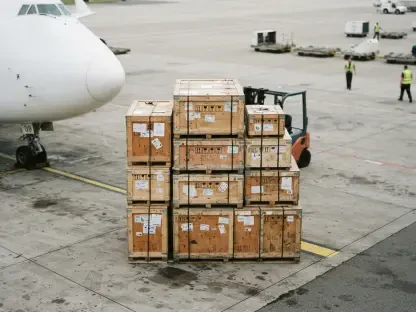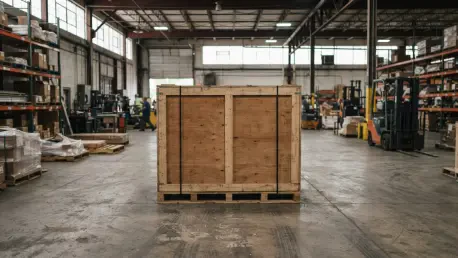

The shipment of a single pallet of advanced semiconductor components often represents a financial liability that exceeds the total value of an entire fleet of standard cargo trucks combined. This reality has forced a profound reimagining of how Mexico handles its air cargo as the nation cements its role as a critical node in the global artificial intelligence and semiconductor supply chains. The transformation is not merely a matter of moving heavier boxes but is rather a sophisticated shift toward high-fidelity digital oversight. Today, the focus has pivoted from basic logistics toward an intricate engineering discipline that prioritizes the environmental and physical integrity of every individual component in transit.
The Evolution of Mexico’s Specialized Air Cargo Landscape
The Mexican air cargo sector is undergoing a fundamental transformation, shifting its focus from traditional freight handling to the specialized transport of high-value electronic components. As the country becomes a critical node for the semiconductor and AI server industries, the significance of logistical precision has reached an all-time high. This evolution is driven by the integration of sophisticated technological influences and a robust regulatory environment designed to protect shipments worth billions of dollars. Today, major airport operators and global logistics players are redefining industry standards to accommodate the extreme sensitivity and economic value of modern technology assets.
The logistical landscape now demands more than just speed; it requires a level of environmental control that was previously reserved for pharmaceutical research labs. This is particularly evident in the way airport infrastructure has been retrofitted to handle the unique needs of microcomponents. Facilities that once focused on the volume of throughput are now prioritizing the quality of storage, implementing climate-controlled zones and vibration-dampening flooring. These changes represent a broader cultural shift within the Mexican logistics industry, where the value of information regarding a shipment is beginning to rival the value of the physical cargo itself.
Strategic Shifts and Performance Metrics in Logistics
Current industry trends highlight a move toward tailored digital monitoring systems that go beyond basic GPS tracking. The rise of surgical precision in logistics involves the deployment of advanced sensors capable of monitoring humidity, light exposure, and multi-axis impacts. There is a growing focus on the Triple Pillars of Monitoring Reliability: accuracy, false alarm management, and latency, ensuring that data collected is both actionable and indisputable. Furthermore, the industry is transitioning from siloed proprietary systems to integrated platforms that offer a single version of the truth for manufacturers, insurers, and carriers.
This digitalization effort has led to the development of sophisticated dashboards that provide stakeholders with a comprehensive view of the supply chain in real time. Instead of waiting for a shipment to arrive before inspecting it for damage, logistics managers can now observe environmental fluctuations as they happen. This proactive stance allows for immediate intervention, such as adjusting a cooling system or rerouting a sensitive package to avoid turbulent weather. The integration of these digital tools has effectively narrowed the gap between physical reality and digital representation, creating a more transparent and accountable transportation network.
Emerging Trends in Digital Supply Chain Engineering
The engineering of digital supply chains has moved beyond simple data collection to encompass complex data interpretation. Modern logistics providers are increasingly employing sensor fusion, which combines data from multiple environmental inputs to create a holistic view of a shipment’s health. For instance, a sudden spike in light exposure combined with a change in GPS coordinates can automatically signal a potential security breach or an unauthorized container opening. This level of sophisticated correlation is what defines the current state of digital engineering in the high-tech cargo sector.
Moreover, the shift toward open-architecture platforms is allowing different stakeholders to collaborate more effectively than ever before. By utilizing standardized data protocols, manufacturers in the semiconductor industry can seamlessly share their specific shipping requirements with air carriers and ground handlers. This synchronization ensures that the specialized instructions for handling an AI server are followed throughout every segment of the journey. The result is a highly coordinated effort that minimizes human error and maximizes the preservation of high-value assets across diverse geographical borders.
Growth Projections for the High-Tech Cargo Market
Market data indicates an aggressive growth trajectory for Mexico’s specialized cargo hubs, particularly in regions like Guadalajara. With a 13.2 percent increase in cargo volume observed recently and projections suggesting handled goods will exceed US$15 billion by the end of 2026, the demand for high-value monitoring is soaring. Forward-looking indicators suggest that as nearshoring continues to bring semiconductor manufacturing closer to North American markets, the requirement for climate-controlled and vibration-sensitive storage capacity will double between 2026 and 2031.
This rapid expansion is not limited to a single airport but is reflected across the nation’s logistics infrastructure. The surge in demand is pushing developers to accelerate the construction of specialized warehouses that can accommodate the unique footprints of AI-driven hardware. As these facilities come online, they are being equipped with the latest in automated monitoring technology, further reinforcing Mexico’s competitive position. The economic impact of this growth extends beyond the logistics sector, fostering a broader ecosystem of technology service providers and sensor manufacturers within the country.
Navigating Operational and Technical Monitoring Hurdles
The industry faces significant obstacles, most notably the high frequency of false alarms in noisy airport environments. Distinguishing between a standard warehouse bump and a damaging drop requires refined algorithms and collaborative threshold-setting between manufacturers and logistics providers. Additionally, the challenge of response latency—the time between an event and its notification—remains a critical hurdle due to wireless signal restrictions during flight. Strategies to overcome these include developing robust historical data preservation systems that transmit immediately upon landing and improving last-mile connectivity.
Solving the problem of connectivity gaps during flight has become a primary focus for technical teams. While real-time satellite tracking is an option, it often remains cost-prohibitive for all but the most expensive shipments. Consequently, the industry has turned toward edge computing solutions that can process and store data locally on the sensor device. These devices are programmed to recognize critical events and prioritize their transmission the moment a ground connection is established. This approach ensures that while a signal may be lost in the air, the continuity of the data record remains unbroken and verified.
Regulatory Frameworks and Compliance for Secure Transit
The regulatory landscape for air cargo in Mexico is becoming increasingly stringent, reflecting international standards set by bodies like IATA. Compliance now involves not only physical security measures but also the maintenance of a verifiable digital audit trail. New standards require logistics providers to demonstrate measurement accuracy through calibrated reference instruments to support insurance claims and operational accountability. These regulatory shifts are forcing industry players to adopt transparent data practices, ensuring that safety and security protocols evolve alongside the technical complexity of the cargo itself.
Furthermore, the emphasis on digital compliance has led to the adoption of blockchain and other distributed ledger technologies to secure the chain of custody. These tools provide an immutable record of every handoff and environmental change a shipment undergoes. In a regulatory environment that demands absolute transparency, these digital trails have become the gold standard for proving adherence to international shipping laws. This shift has not only improved security but has also streamlined the customs clearance process by providing officials with pre-verified datasets that speed up the movement of goods.
Future Directions for High-Value Transportation Infrastructure
The future of Mexican logistics lies in the seamless integration of monitoring technology with warehouse management systems. Emerging disruptors, such as AI-driven predictive analytics, will likely allow operators to anticipate potential cargo damage before it occurs by analyzing environmental patterns. As global economic conditions favor Mexico as a high-tech manufacturing hub, the industry will see a surge in innovation focused on sustainable and intelligent packaging. The ability to provide a continuous, high-fidelity chain of custody will become the primary competitive advantage for the region.
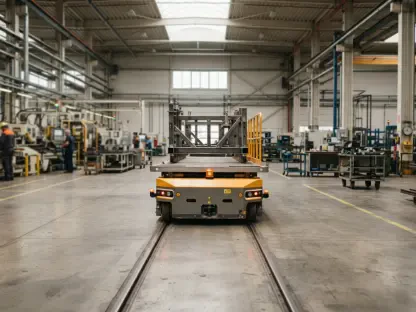
As infrastructure continues to evolve, the physical design of airports will likely incorporate more dedicated corridors for autonomous cargo tugs and automated storage systems. These innovations will reduce the reliance on manual handling, which is often the primary source of cargo damage and impact-related incidents. By combining automated physical movement with intelligent digital oversight, Mexico is building a logistics network that is both resilient and adaptable. This technological maturity will be essential as the complexity of the electronics being shipped continues to increase, requiring even more specialized handling techniques.
Summary of Findings and Strategic Recommendations
The assessment of the Mexican air cargo sector concluded that the transition to a high-value electronics hub was successfully initiated through heavy investment in digital engineering. Stakeholders recognized that the traditional metrics of weight and volume were no longer sufficient for assessing the performance of modern logistics networks. Instead, the focus moved toward the integrity of the data stream and the precision of the environmental controls. Leaders in the field implemented pilot programs that validated sensor accuracy and established new benchmarks for cargo safety that exceeded previous international standards.
To build upon this progress, the next phase of development should involve the widespread adoption of AI-driven risk mitigation tools that act on historical data to prevent future losses. It was found that companies that integrated their monitoring data directly with their insurance providers saw a significant reduction in claim processing times and a decrease in total premium costs. Moving forward, logistics providers must prioritize the reduction of data latency by investing in 5G-enabled ground infrastructure and edge-computing sensors. These strategic steps will ensure that the region remains the preferred gateway for the world’s most sensitive and valuable technological assets.