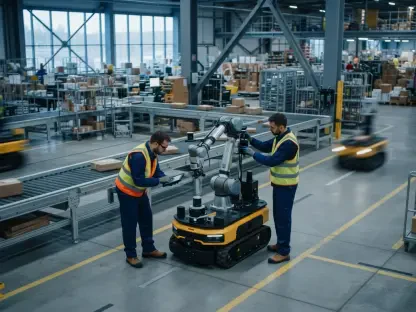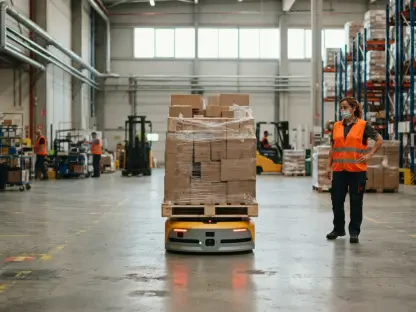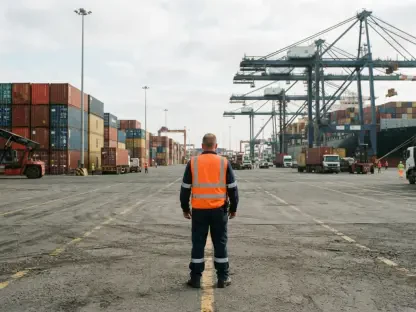

The rise of specialized roles such as Supply Chain Data Scientist and Digital Transformation Lead highlights the increasing demand for technical proficiency within the industry. This shift marks a definitive end to the era where logistics was viewed solely as a back-office utility focused on manual labor and local coordination. Today, the profession functions as a high-stakes, data-driven discipline that serves as the central nervous system of global commerce. As supply networks become more intricate and consumer expectations for immediate delivery reach new heights, the traditional reliance on historical precedent is no longer sufficient. Professionals are now operating in a proactive ecosystem where human intuition and machine intelligence collaborate to solve complex problems in real-time. This transformation is not merely about adopting new software; it is a fundamental reimagining of what it means to work in supply chain management, placing a premium on agility and analytical depth over administrative routine.
Cognitive Augmentation: The New Operational Standard
Artificial intelligence is no longer a futuristic concept but a primary driver of operational efficiency across various sectors of the supply chain. Rather than replacing the human workforce, these advanced algorithms function through cognitive augmentation, processing massive datasets that would overwhelm even the most experienced analysts. By sifting through millions of data points from global shipping logs and micro-level warehouse transactions, AI provides a level of clarity that was previously unattainable. This technological integration allows employees to focus their energy on high-level problem-solving and strategic planning rather than getting bogged down in the minutiae of data entry. The goal is to create a symbiotic relationship where the machine handles the computational heavy lifting while the human professional provides the necessary context and direction. This shift has fundamentally altered the workplace environment, turning logistics centers into hubs of technological innovation.
Data analytics has become the bedrock of strategic planning, providing the framework necessary for making informed decisions at every level of the organization. Unlike the reactive strategies of the past, which were often based on anecdotal evidence or basic historical trends, today’s approach utilizes a combination of descriptive, predictive, and prescriptive analytics. This comprehensive methodology allows companies to gain a 360-degree view of their operations, identifying potential bottlenecks before they manifest as significant delays. By analyzing inventory velocity and purchasing cycles with precision, professionals can ensure that every link in the supply chain is optimized for both cost-effectiveness and structural resilience. This analytical rigor transforms the supply chain from a mere logistical necessity into a strategic powerhouse that drives business growth. The ability to visualize the entire network in real-time has become an essential capability for any organization looking to thrive in a volatile market.
Smart Systems: Optimizing Demand and Procurement
Demand forecasting has long been the most challenging aspect of supply chain management, often characterized by the problematic bullwhip effect where minor fluctuations cause major inventory issues. However, the integration of machine learning and advanced analytics has made this function significantly smarter and more responsive to real-world conditions. By incorporating external variables such as social media sentiment, local economic indicators, and seasonal weather patterns into their models, demand planners can create far more accurate projections. This level of granularity helps organizations reduce the amount of capital tied up in excess inventory while simultaneously ensuring that products are available whenever and wherever consumers demand them. The result is a much more agile system that can pivot rapidly in response to sudden market shifts or unexpected global events. This data-driven precision has turned demand planning into a sophisticated science, allowing businesses to operate with tighter margins.
Procurement has undergone a dramatic transformation, moving away from being a purely transactional department to a vital strategic component of the corporate structure. AI tools are now used to analyze supplier risk profiles and track pricing volatility, but human intervention remains an indispensable element of the process. Building long-term partnerships with key suppliers requires a level of emotional intelligence and cultural awareness that algorithms simply cannot replicate. The modern procurement leader uses these technological advancements to streamline the mundane parts of the job, such as purchase order processing, so they can spend more time on strategic sourcing and supplier development. This balance ensures that the organization remains both efficient and reputable in an increasingly conscious market where ethical oversight is non-negotiable. Professionals in this space must identify potential vulnerabilities in the supply base before they turn into full-scale crises, safeguarding the reputation of the company.
Professional Evolution: Skills and Future Trajectories
As the industry continues its digital transition, the requisite skill set for career success has diversified significantly beyond the traditional boundaries of logistics and transportation. Modern professionals must now possess a balanced portfolio of competencies that include advanced data interpretation, technological fluency, and a deep understanding of how supply chain activities impact the overall financial health of the business. Soft skills have also seen a resurgence in importance, as the supply chain is increasingly seen as the connective tissue between disparate departments like IT, finance, and marketing. Being able to communicate technical insights to a non-technical audience is a critical ability that allows supply chain managers to secure buy-in for new initiatives. This interdisciplinary approach requires a mindset of constant curiosity and a willingness to learn how emerging technologies can be integrated into existing frameworks to create a more transparent and secure network.
The industry successfully recognized that the future of supply chain management belonged to the hybrid professional who felt as comfortable with a complex algorithm as they did during a high-stakes negotiation. This evolution saw the rise of specialized positions like the Chief Supply Chain Officer and the Logistics Analyst, roles that became central to executive strategy. Educational institutions shifted their focus toward multidisciplinary expertise, allowing the workforce to adapt to the rapid technological changes seen in 2026. This period proved that the most resilient supply chains were those that balanced digital efficiency with the ethical judgment of their employees. Professionals who embraced these new tools while maintaining their focus on strategic leadership were able to achieve unprecedented levels of operational excellence. Moving forward, the blueprint for success involved a commitment to continuous digital literacy and a steadfast reliance on the human capacity for innovation.