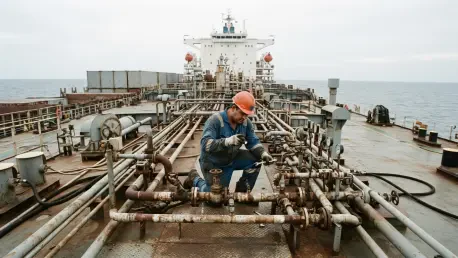

The shipping industry currently faces a critical challenge where efficiency-driven schedules lead to fatigue-related errors that procedural manuals alone cannot mitigate. While the International Safety Management Code has long provided a necessary foundation for maritime operations, the complexities of the current 2026 landscape demonstrate that strict adherence to rules is no longer a sufficient safeguard. The persistent gap between theoretical safety requirements and the high-pressure reality of vessel life suggests that the industry must transition from a “checkbox” mentality to a more holistic, people-centered approach. This evolution requires a profound understanding of the human element, recognizing that safety is not merely the absence of accidents but the presence of conditions that allow seafarers to perform their best under stress. As commercial pressures mount and technology becomes more integrated into every aspect of seafaring, the focus is shifting toward creating an environment where safety is a living value, supported by leadership and organizational culture, rather than a secondary administrative burden. By prioritizing the mental and physical well-being of the crew, the maritime sector can build a more resilient operational model that addresses the root causes of incidents rather than just their symptoms.
Addressing the Human Factor
Managing Operational Demands
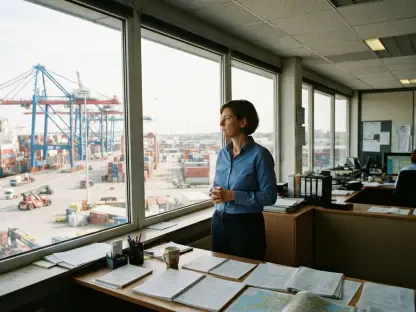
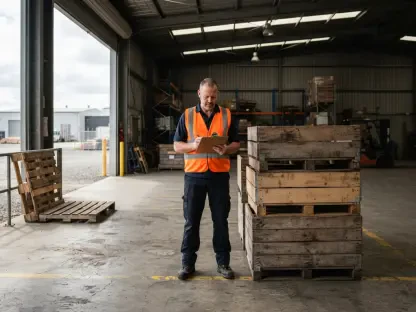
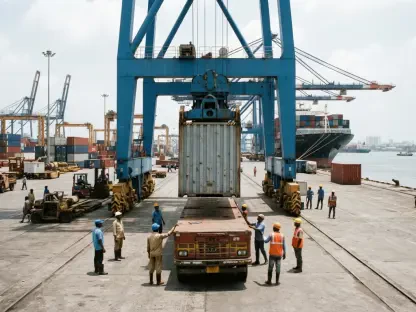
The maritime sector is defined by its demanding commercial pace, characterized by rapid cargo operations and last-minute changes to voyage instructions that often compromise the crew’s ability to maintain safety standards. These factors frequently lead to a reduction in the time available for essential safety functions, such as hazard identification, thorough preparation, and restorative rest, which are critical for preventing long-term fatigue. Industry leaders have identified that the origins of these operational pressures often lie far beyond the vessel’s deck, originating with charterers, terminal operators, and shore-based managers whose logistical demands dictate the pace of work. To address this, organizations are beginning to implement more robust planning frameworks that prioritize the protection of rest periods and ensure that crew members are not subjected to non-essential interruptions, especially following intensive port operations. By improving the coordination between shipowners and technical managers, the industry is working to reduce unnecessary disruptions that contribute to a high-stress environment, ultimately recognizing that giving personnel sufficient time is a fundamental safety requirement rather than a commercial luxury.
Empowering Stop-Work Authority
Creating a safe working environment requires more than just granting permission; it involves fostering an organizational culture where personnel feel genuinely empowered to halt operations if they perceive a risk, regardless of the potential commercial implications. Traditionally, the hierarchical nature of maritime operations has created a barrier where junior officers or crew members may feel discouraged from questioning the decisions of their superiors or the demands of shore-side management. In 2026, progressive companies are working to dismantle these barriers by formalizing stop-work authority as a core tenet of their safety management systems, ensuring that no individual faces professional stigma for prioritizing safety over speed. This empowerment is supported by leadership-driven commitments that are reflected in daily planning and execution, moving beyond the simple inclusion of authority in a manual. When personnel know that their judgment is respected and that the organization will support their decision to pause a dangerous task, the risk of fatigue-related errors and mechanical failures is significantly reduced, leading to more sustainable and secure operations across the global fleet.
Fostering Psychological Safety
A robust safety culture depends heavily on the ability of seafarers to report near misses and voice concerns without fear of retribution, a concept known as psychological safety that is gaining traction across the industry. For a safety system to be effective, every member of the crew must have the confidence to challenge potentially dangerous decisions and communicate hazards transparently, viewing reporting as a contribution to the collective welfare rather than a challenge to authority. Practical initiatives, such as the Singapore Near Miss Reporting System, serve as vital models for this goal, providing anonymized platforms where human factors can be analyzed without assigning blame to specific individuals. However, the efficacy of these systems depends on the organization’s ability to “close the loop” by using the reported data to implement tangible changes in procedures, equipment, or training. When seafarers see that their input leads to real-world improvements, it reinforces their trust in the system and encourages a continuous cycle of honest communication. This cultural shift is essential for identifying latent risks before they manifest as accidents, ensuring that the industry learns from its mistakes in a constructive and proactive manner.
Strengthening the Global Value Chain
Promoting Shared Responsibility
The traditional view that the burden of safety rests solely on the Master and the crew is being replaced by a model of shared responsibility that involves every stakeholder in the maritime value chain. Under this framework, charterers, shipowners, and regulators all play a critical role in ensuring that commercial objectives are aligned with the fundamental safety needs of the personnel on board. This integrated approach ensures that a charterer’s demand for an aggressive arrival time is evaluated against the potential for crew fatigue and the increased risk of an incident, making safety a core component of every business decision rather than an isolated operational concern. Shipowners and managers are responsible for providing the necessary technical support and maintenance, while regulators must remain agile, adapting standards based on real-world feedback and emerging operational risks. By spreading the weight of responsibility, the maritime community creates a more resilient system where the well-being of the crew is protected by a network of stakeholders who recognize that a safer voyage is ultimately a more profitable and sustainable one for the entire global supply chain.
Integrating Safety with Innovation
As the maritime industry navigates the dual transition toward decarbonization and digitalization, it is essential that safety is integrated into new technologies by design rather than treated as an afterthought. The introduction of alternative fuels, such as ammonia and methanol, presents new toxicological and flammable risks that crews must be prepared to manage through specialized training and the development of new emergency response protocols. Innovation should not be allowed to solve environmental problems while inadvertently creating new safety vulnerabilities for the personnel responsible for operating these advanced systems. There is currently a concerted effort across the sector to develop competencies and regulatory standards alongside the technologies themselves, ensuring that the “green shift” is underpinned by a robust safety framework. By prioritizing the human element during this period of rapid change, the industry can ensure that technological progress goes hand-in-hand with the protection of life at sea, preventing the implementation of new systems from outpacing the ability of seafarers to operate them safely and effectively.
Optimizing the Digital Interface
The rise of autonomous technologies and digital monitoring systems has introduced new complexities into the human-machine interface, necessitating a focus on how seafarers interact with increasingly sophisticated equipment. While digital tools can provide valuable data and reduce the administrative burden on the crew, they also have the potential to create information overload or lead to a dangerous over-reliance on automated systems. To mitigate these risks, the industry is focusing on the development of user-centric designs that prioritize clarity and ease of use, ensuring that digital innovations enhance situational awareness rather than detract from it. This involves a commitment to continuous training and the development of new digital competencies, allowing crews to remain the primary decision-makers even as machines take on more automated tasks. By ensuring that technology serves as a support mechanism for the crew rather than a replacement for human judgment, the maritime sector can leverage the benefits of digitalization while maintaining the high safety standards required for complex ocean voyages. This balanced approach is critical for the safe operation of the modern fleet as it moves toward an increasingly connected and automated future.
The transition from a compliance-heavy mindset to a culture of genuine care necessitated a fundamental restructuring of maritime leadership and operational priorities. It was understood that the industry’s survival in an era of rapid decarbonization and digitalization depended entirely on the resilience and psychological safety of its workforce. Moving forward, companies adopted several critical actions to ensure this evolution remained permanent and effective. First, organizations implemented mandatory safety pauses that were legally protected from commercial penalties, ensuring that the human right to rest and hazard assessment preceded any cargo deadline. Second, the integration of real-time psychological safety metrics into performance reviews for shore-based management ensured that those making logistical decisions were held accountable for the stress placed on crews. Third, the industry standardized anonymized data-sharing protocols, allowing competitors to learn from each other’s near misses without fear of losing a competitive edge. Finally, investment in immersive, simulator-based training for new fuel technologies became the global standard, moving beyond classroom theory to practical, hands-on competency. By treating safety as a collaborative, ongoing dialogue rather than a static set of rules, the maritime community successfully built a more robust and sustainable future for global shipping.