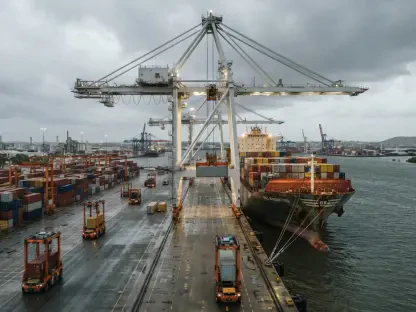

The Indian logistics landscape is currently undergoing a radical structural transformation where traditional relationship-based negotiations are rapidly being replaced by sophisticated data-driven algorithmic bidding processes. For decades, manufacturers across the subcontinent relied on informal networks and manual phone calls to secure cargo space, but the complexities of 2026 demand a much higher level of precision and speed. This shift is not merely about digitizing paperwork; it represents a fundamental change in how value is perceived within the supply chain. Shippers no longer prioritize the lowest sticker price in isolation, as they have learned that hidden costs from delays and poor handling can easily erase any initial savings. By integrating real-time market intelligence and automated tendering, companies are now able to navigate a volatile economic environment with greater agility, ensuring that goods move efficiently across a vast and often fragmented geographic terrain. This transition marks the end of opaque pricing and the beginning of a transparent era.
Transforming Commercial Strategies in Freight Management
Total Service Cost: Evaluating Beyond the Rate
Modern procurement strategies now emphasize the “total service cost” rather than focusing solely on the immediate freight rate provided during a bidding round. In the current market, sophisticated digital platforms aggregate a wide array of variables, including transit reliability scores, historical cargo damage rates, and the quality of customer support provided by the carrier. When a logistics manager evaluates a bid in 2026, they are viewing a comprehensive risk profile that balances commercial terms against operational performance indicators. This approach prevents the “race to the bottom” that historically led to poor service levels and frequent contract defaults. By quantifying the financial impact of potential delays or insurance gaps, digital systems allow for an apples-to-apples comparison between disparate service providers. This ensures that the chosen partner is selected based on their ability to maintain the integrity of the entire shipment journey, protecting the shipper’s reputation and reducing unforeseen expenses.
Market Inclusivity: Empowering Regional Carriers
Digital tendering environments have effectively democratized access to high-value contracts, allowing small and regional carriers to compete on a level playing field with massive national logistics enterprises. Previously, smaller operators were often excluded from major tenders due to a lack of personal connections or the inability to navigate complex bureaucratic submission processes. However, centralized online platforms now standardize the requirements for participation, focusing on verifiable performance metrics rather than institutional scale or historical relationships. This inclusivity fosters a more resilient and competitive ecosystem by introducing fresh capacity into the market, which is particularly vital during peak demand seasons or regional disruptions. As these smaller players gain visibility through high-quality performance data, the entire industry benefits from increased specialization and local expertise. Consequently, the procurement process becomes a meritocracy where service quality and regional agility are the primary success drivers.
Strengthening Operational Infrastructure and Accountability
Data Accountability: Building Verified Partnerships
The transition to digital bidding has established a new era of accountability where every milestone in the logistics journey is recorded and analyzed to refine future procurement decisions. In the current 2026 landscape, objective performance assessment is no longer a luxury but a fundamental requirement for maintaining a position in preferred carrier networks. Digital platforms utilize Internet of Things sensors and GPS data to verify delivery windows and cargo handling conditions, creating a transparent ledger of carrier reliability that eliminates disputes over service failures. This high level of transparency fosters a marketplace built on genuine trust, where payment systems are often linked to automated proof-of-delivery triggers, ensuring that carriers are compensated fairly and promptly. When shippers have access to such granular data, they can move away from punitive contract management and toward collaborative partnerships. This collaborative environment encourages carriers to invest in better equipment, knowing their excellence will be rewarded.
Strategic Next Steps: Advancing the Digital Ecosystem
The evolution toward a modernized digital marketplace effectively moved the Indian logistics sector away from antiquated habits and toward a future defined by professional accountability. Organizations that successfully implemented these technologies discovered that the true value of digital procurement resided in the long-term stability of their supply chains rather than short-term cost savings. To maintain this momentum, stakeholders prioritized the continuous refinement of data standards and the adoption of open communication protocols across the entire network. These actions ensured that the marketplace remained competitive yet fair, providing a clear path for growth for both established players and innovative newcomers. Moving forward, the focus shifted to expanding these digital capabilities into multimodal transport and international logistics, creating a truly globalized shipping infrastructure. By treating procurement as a strategic asset, the industry secured its resilience. Professionals then integrated these tools into ESG goals to ensure sustainable operations.