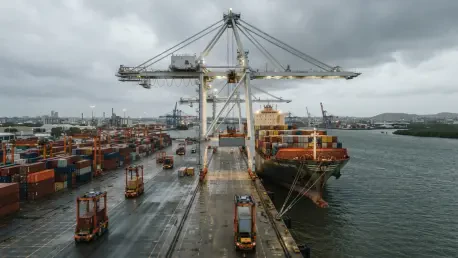

While many global trade hubs struggle to balance outdated infrastructure with the demands of a high-speed digital economy, the Port of Brisbane has successfully carved out a reputation as a pioneer by integrating robotic precision with visionary geographical planning. The facility currently functions as the primary economic heart for Queensland, operating as a highly sophisticated hub where advanced robotics and strategic geography intersect. Its operational scope covers a vast array of segments, including containerized freight and the importation of motor vehicles, alongside bulk commodities such as agricultural exports and project cargo. This facility represents more than just a docking point; it is a critical nexus in the global supply chain that facilitates the movement of goods between regional producers and over 140 international export destinations.
The transition from traditional riverfront wharves to the high-tech Fisherman Islands facility remains one of the most significant moments in Australian maritime history. By relocating to the mouth of the river, the port authorities bypassed the spatial constraints of the urban center, allowing for the creation of a purpose-built logistics environment. Major market participants, including Patrick Terminals, have leveraged this unique infrastructure to implement first-of-their-kind technologies while maintaining rigorous adherence to maritime safety and operational standards. This move was not merely a reaction to growth but a proactive strategy that set the stage for decades of technological leadership in the Southern Hemisphere.
Defining the Modern Landscape of Australian Maritime Trade
The Port of Brisbane serves as a critical economic engine for Queensland, representing a sophisticated hub where advanced robotics and strategic geography converge. Current operations span diverse segments, including containerized freight, motor vehicles, and bulk commodities like agricultural exports and project cargo. This diversity ensures that the port remains resilient against fluctuations in specific market sectors, providing a stable platform for statewide economic activity. By maintaining a multifaceted operational profile, the port has secured its role as an indispensable link between the local economy and the broader global marketplace.
The transition from traditional riverfront wharves to the high-tech Fisherman Islands facility underscores the port’s significance in the global supply chain. This move allowed for the early adoption of massive container cranes and specialized berths that can accommodate the largest vessels currently in service. Key market players, such as Patrick Terminals, leverage the port’s unique infrastructure to implement pioneering technologies while adhering to strict maritime safety and operational standards. The result is a seamless interface between land and sea that prioritizes speed without compromising the safety of the workforce or the integrity of the cargo.
Identifying Key Drivers and Performance Metrics in Port Evolution
The evolution of the port is driven by a culture of constant improvement and the early adoption of disruptive technologies. This proactive approach has allowed the facility to stay ahead of global trends rather than reacting to them after they become industry standards. By focusing on both physical infrastructure and digital intelligence, the port has created a high-performance environment that maximizes throughput and minimizes delays. This commitment to innovation ensures that Brisbane remains a preferred destination for international shipping lines seeking efficiency and reliability.
Adopting Automation and Tech-Centric Logistics Trends
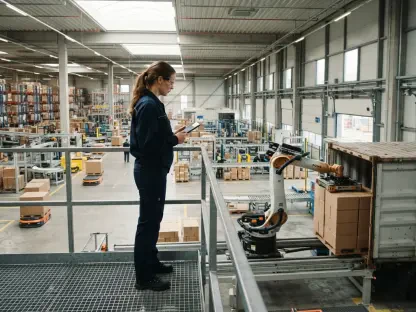
The industry is shifting toward full automation, with the Port of Brisbane leading through the early adoption of AutoStrad technology and robotic straddle carriers. These machines operate with a level of precision and consistency that human-operated systems struggle to match, especially during peak periods or adverse weather conditions. This robotic workforce has transformed the terminal into a highly predictable environment, which is a critical factor for logistics managers who require exact timing for their supply chain movements.
Consumer demand for rapid delivery and real-time tracking has driven the port to integrate digital software solutions like NCOS Online for channel optimization. This tool allows for the calculation of safe vessel passage based on real-time tidal data, effectively increasing the usable depth of the channel through intelligence rather than physical dredging. Furthermore, emerging opportunities exist in the handling of project cargo, specifically large-scale components for the renewable energy sector such as wind turbines and blades. These oversized items require specialized handling protocols that the port has successfully integrated into its automated workflow.
Evaluating Market Growth and Trade Volume Projections
Historical data shows a massive leap from 8.86 million tons in the late 1970s to the current milestone of 38.64 million tons in 2026. This trajectory reflects the growing importance of Queensland as a trade hub and the port’s ability to scale its operations to meet rising demand. Container volumes are hitting a record 1.74 million twenty-foot equivalent units, illustrating a high-performance trajectory that confirms the facility’s status as a top-tier player in the maritime industry.
The value of international cargo handled at the facility is estimated to exceed $78 billion this year, signaling sustained economic relevance on a global scale. This immense valuation is supported by a robust mix of export destinations and import origins, ensuring that the port remains a central figure in Australian commerce. By consistently hitting these volume targets, the port demonstrates that its infrastructure is capable of supporting the continued expansion of the regional economy for the foreseeable future.
Overcoming Structural and Environmental Obstacles
Larger vessel drafts presented a major physical constraint, which the port addressed through software modeling rather than cost-prohibitive dredging operations. This move toward digital solutions allowed the facility to accommodate the next generation of massive container ships while avoiding the environmental and financial costs of major underwater excavation. The hardware problem of fixed channel depths was solved by implementing real-time data environments to maximize under-keel clearance for massive ships. This approach has allowed the port to remain competitive even as global shipping trends push toward ever-larger vessel sizes.
Integrating regional supply chains required a shift from passive infrastructure to active engagement with agricultural producers in the Queensland interior. Port leadership recognized that the efficiency of the terminal was only as good as the connectivity to the source of the goods. Consequently, infrastructure upgrades, such as the Car Precinct Flyover, are being utilized to navigate the logistical difficulties of transporting non-standard oversized freight. These physical improvements, combined with active collaboration with regional transport agencies, have ensured that the entire supply chain functions as a single, cohesive unit.
Navigating the Regulatory and Security Landscape
Compliance with international maritime security standards is mandatory, especially within the highly automated zones of Fisherman Islands. The port operates under a strict regulatory framework that ensures the safety of both the technology and the personnel involved in daily operations. Environmental regulations also govern dredging activities and land reclamation, necessitating innovative digital solutions to minimize the port’s ecological footprint. This commitment to sustainability ensures that the port can continue to grow without causing undue harm to the surrounding marine environment.
Operational protocols ensure that the transition to robotic labor maintains high safety standards and meets national labor and maritime requirements. This balance is critical for maintaining public trust and ensuring a stable working environment for all stakeholders. Furthermore, the port’s regulatory framework supports active infrastructure strategies, enabling deeper collaboration between port authorities and government transport agencies. This partnership model allows for more effective planning and investment, ensuring that the port remains a pillar of regional development and security.
Predicting the Future of Global Port Operations
Continued investment in automated technology will likely remain a market disruptor, further reducing human error and increasing 24/7 productivity. As global logistics become increasingly data-dependent, the port’s focus on digital intelligence will provide it with a significant competitive advantage. The shift in global trade partners—from Japan and Korea to the current dominance of China—suggests a need for flexible facilities that can adapt to changing geopolitical landscapes. This flexibility is built into the port’s design, allowing it to pivot as global markets evolve and new trade routes emerge.
Sustainability will drive future growth, with the port positioning itself as a primary gateway for green energy components and specialized renewable infrastructure. Innovation will move beyond the terminal, focusing on seamless inland-to-port connectivity through enhanced regional transport and data-sharing networks. By creating a more transparent and efficient supply chain, the port will continue to reduce costs for exporters and improve the overall reliability of the maritime logistics network. These advancements will ensure that the facility remains at the forefront of the industry for years to come.
Summarizing the Blueprint for Logistics Leadership
The success of the Port of Brisbane was the direct result of a strategic relocation and a long-term commitment to treating innovation as a standard operating procedure. By solving physical limitations through digital intelligence, the facility established a global benchmark for efficiency and adaptability. The decision to prioritize high-tech automation over traditional methods allowed the port to scale rapidly while maintaining a lean operational profile. These foundational choices created a resilient infrastructure that withstood the pressures of a changing marketplace.