
Modern business travel now requires mobile boardrooms outfitted with high-speed connectivity and privacy partitions to facilitate collaboration during transit. This shift in executive mobility reflects a broader transformation within the global logistics sector, where the line between commercial efficiency and strategic resilience has effectively vanished. As organizations navigate the complexities of the current year, the priority has moved away from lean, just-in-time models toward robust, “just-in-case” architectures that can withstand systemic shocks. The volatility of international trade routes and the persistence of regional conflicts have forced a reimagining of how goods and information move across borders. Logistics is no longer a background operational concern but a primary pillar of competitive strategy and national security. Decision-makers are increasingly adopting dual-use technologies that serve both commercial supply chains and military sustainment needs. This convergence is driven by the realization that the same disruptions affecting a retail shipment in the Red Sea also impact the readiness of a forward-deployed defense unit. Consequently, the focus is on building systems that are not only fast but inherently survivable in contested environments.
Introduction
The logistics landscape of the current year is defined by an unprecedented transition from reactive management to proactive, technology-driven ecosystems. This evolution is necessitated by a global environment where supply chain agility is the primary prerequisite for survival. Organizations are moving away from traditional managed services, which often created significant bottlenecks, in favor of self-managed integration solutions. This shift allows businesses to maintain direct control over their digital environments, enabling them to onboard new partners or address system exceptions in a matter of hours rather than weeks. The ability to manage internal data discrepancies in real-time has become essential for maintaining responsiveness to rapid market shifts. As global labor shortages continue to drive up costs and complicate delivery timelines, the industry has aggressively adopted automation across both warehousing and transportation sectors. This strategic pivot aims to mitigate human capital risks while maximizing operational output. By examining the current trends in military-inspired resilience and advanced technological integration, B2B leaders can better understand the frameworks required to navigate a landscape characterized by both high complexity and high stakes.
Part 1: Strategic Resilience and Dispersed Logistics
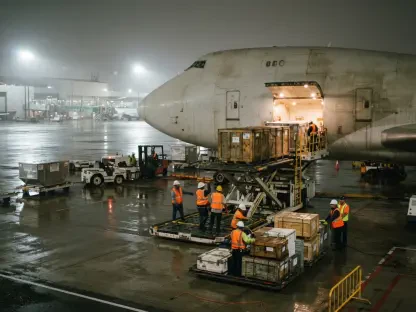
The core of modern strategy lies in the fundamental shift from centralized hubs to dispersed, modular networks. Traditionally, logistics relied on large, efficiency-oriented centers that offered significant cost savings but created concentrated points of failure. In the current contested landscape, these centralized systems have become vulnerabilities that adversaries can easily target through physical or cyber means. To counter this, both military and commercial entities are “out-designing” these risks by establishing distributed architectures. By spreading assets and data across numerous modular nodes, organizations complicate an opponent’s targeting process and ensure that the loss of a single site does not paralyze the entire operation. This approach prioritizes mission survival over the preservation of specific facilities. Operating through disruption has replaced the impossible goal of avoiding it entirely. This mindset requires a whole-of-government and whole-of-enterprise effort to build redundancy into every layer of the supply chain, from power grids to maintenance depots. The decentralization of physical stock is mirrored by the decentralization of data, ensuring that forward-deployed units or regional distribution centers can function independently when primary networks are compromised.
Part 2: Automation and the Global Labor Shortage
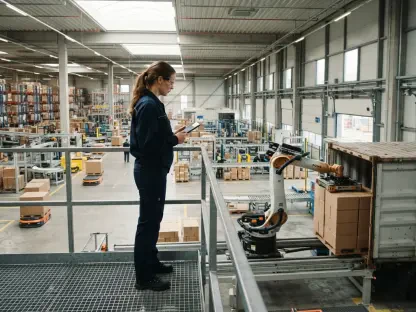
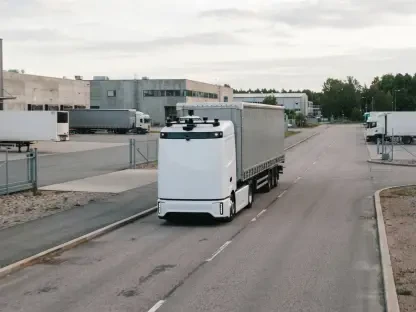
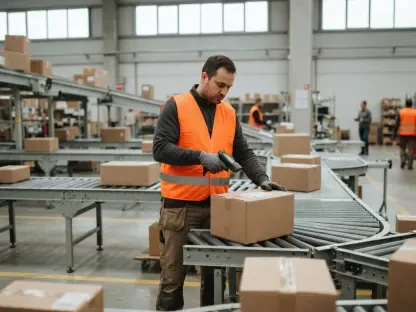
Labor markets continue to present significant headwinds, prompting a surge in automation that has redefined the 3PL and warehousing sectors. In the warehouse, sophisticated robotics now handle picking and packing tasks with minimal human intervention, allowing staff to be redeployed to high-value analytical roles. Transportation is seeing similar shifts, particularly with the implementation of autonomous trucking models. In several regions, the “two-truck unit” has become standard, where a human-operated vehicle leads a driverless truck that mimics its movements. This serves as a vital bridge to full autonomy, addressing the chronic shortage of long-haul drivers while maintaining safety standards. Beyond hardware, supply chain design tools are used to optimize the existing workforce, ensuring that every hour of human labor is directed toward tasks that cannot yet be automated. This focus on maximizing human capital efficiency is critical for maintaining margins in a high-cost environment. By automating repetitive tasks, firms can scale their revenue without a corresponding increase in headcount, effectively decoupling growth from labor availability. This transition is not merely about cost reduction; it is a necessary adaptation to a demographic reality where manual labor is increasingly scarce.
Part 3: Data Orchestration and Systems Integration
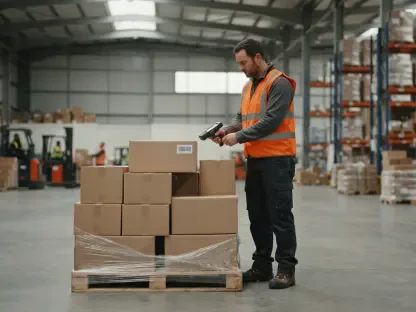
As logistics operations grow in complexity, the volume of data generated by WMS, ERP, and e-commerce platforms has become nearly unmanageable without sophisticated orchestration. The current trend emphasizes end-to-end integration to eliminate data silos that force employees to manually hunt for information. By synchronizing backend systems with frontend customer platforms, companies create a “single source of truth” that provides real-time insights into every stage of the life cycle. This orchestration goes beyond simple connectivity; it creates a dynamic layer where AI-driven error resolution can identify and fix discrepancies, such as miscoded orders or inventory mismatches, before they impact the workflow. For B2B professionals, this means moving toward data-driven decision-making where forecasting and quality control are based on live data rather than historical approximations. The goal is to remove human latency from the “load tender-to-invoice” process, allowing the business to move at the speed of its software. In 2026, firms that fail to modernize these event-based workflows risk being excluded from the digital ecosystems of major partners who demand instantaneous communication and total transparency. This technological foundation is the primary defense against the volatility of the global market.
Part 4: Real-Time Visibility and the Amazon Effect
The “Amazon effect” has permanently altered expectations in the B2B sector, where trading partners now demand the same level of transparency as individual consumers. Providing a simple delivery window is no longer sufficient; stakeholders require real-time geographical tracking and milestone alerts for every shipment. To meet this demand, logistics providers are integrating their core systems with specialized visibility platforms via APIs. This dual approach, combining the stability of Electronic Data Interchange (EDI) with the real-time capabilities of Application Programming Interfaces (APIs), allows for a comprehensive view of the supply chain. While EDI remains the backbone for standardized business processes like ordering and fulfillment, APIs handle the near-instantaneous exchange of tracking and inventory data. This transparency allows clients to manage their own labor schedules and inventory levels with greater precision, reducing the need for safety stock and minimizing operational downtime. Furthermore, the integration of digital freight marketplaces has streamlined the booking process, allowing shippers to compare rates and service times across hundreds of carriers instantly. This level of market efficiency ensures that capacity is utilized effectively, even when global disruptions cause sudden shifts in carrier availability.
Part 5: Sustainability and the LTL Evolution
Environmental mandates and economic pressures have converged to drive a significant surge in Less Than Truckload (LTL) shipping. With the rise of high-frequency, smaller-volume orders, companies are utilizing LTL to share space on carriers, which optimizes vehicle utilization and reduces the occurrence of “deadhead” or empty space. This model is particularly beneficial for smaller enterprises that need to maintain a consistent shipping cadence without the volume required for full truckloads. From a sustainability perspective, LTL consolidation is a key component of corporate social responsibility goals, as it significantly reduces the carbon footprint per package. In an era of increasing environmental regulation, the ability to report accurate emissions data across the entire logistics network has become a regulatory necessity. This requires deeply integrated data to identify inefficiencies and optimize routing. The challenge for modern firms is balancing the capital expenditure required for green initiatives with the immediate pressure to maintain aggressive delivery speeds. By leveraging advanced analytics and route optimization software, logistics managers are finding ways to meet these targets without sacrificing service levels. This transition reflects a broader industry commitment to building a more sustainable and efficient global commerce infrastructure.
Conclusion
The logistics landscape of the current period reflects a pivot toward intelligence and agility. Businesses prioritized internal control over outsourced ticket queues, ensuring that agility became a standardized operational metric. The successful integration of military-grade resilience into commercial operations defined the competitive standards of the year. Leaders recognized that automation was the only viable solution to persistent labor shortages, while data orchestration provided the necessary transparency to navigate global volatility. The industry ultimately transitioned from reactive troubleshooting to a proactive, orchestrated ecosystem. This strategic evolution ensured that supply chains remained functional despite the numerous challenges of the contemporary global environment. Moving forward, the focus shifted toward maintaining this technological edge to secure long-term market positions. Managers who embraced these trends established a foundation for sustainable growth and operational security. The synthesis of real-time visibility and environmental responsibility emerged as a hallmark of excellence within the professional logistics community. Success was measured by the ability to operate through disruption while delivering consistent value to partners and end-users alike. This era marked the definitive end of traditional, siloed logistics management.