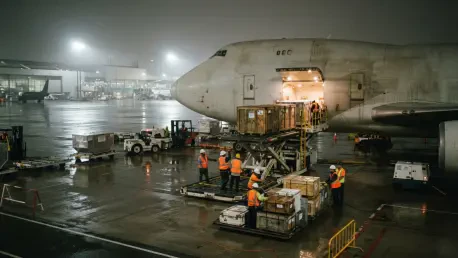

International air cargo pricing remains elevated as holiday volumes intersect with structural capacity constraints across the China-to-North America lane. This environment serves as a stark reminder of the fragile balance within global supply chains as we move deeper into 2026. Despite a significant air traffic control failure that recently grounded thousands of flights, the market showed remarkable resilience; international freight rates did not experience the chaotic spikes seen in previous disruptions. Currently, shipping costs from China to North America sit near $9.25 per kilogram, driven less by sudden crises and more by the steady, massive demand for specialized components. This high-cost floor is largely sustained by the logistical needs of sprawling data center projects, which consume freighter capacity that would typically handle consumer electronics. As these technological infrastructure expansions continue, shippers are finding that the traditional peak season has transformed into a year-round battle for limited air cargo space, requiring a shift in procurement strategies to ensure timely delivery of high-value goods.
Resilience Amid High-Stakes Logistics
Managing Capacity Surpluses and Maritime Stability
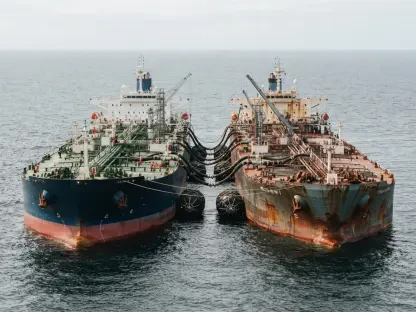
In the deep-sea shipping market, a significant shift is occurring as major carriers begin to normalize their routes through the Red Sea, potentially ending a period of extended circumnavigations. While this transition reduces fuel costs and transit times, it simultaneously highlights the growing risk of a global vessel surplus throughout the remainder of 2026. The massive influx of new container ships ordered during previous growth cycles is now entering service just as the market faces a cooling demand period. This surge in available capacity is putting downward pressure on freight rates, forcing carriers to reconsider their long-term pricing strategies. Although some lanes continue to see elevated costs, the underlying trend suggests that the industry may be entering a phase of overcapacity that favors shippers during contract negotiations. Managing this surplus will require carriers to be more aggressive with operational adjustments, such as slow-steaming or vessel idling, to prevent a complete collapse of the market’s current price floor during the upcoming quarter.
Coastal Bottlenecks and Infrastructure Pressure
Despite the potential for falling rates globally, the Transpacific market continues to grapple with localized bottlenecks at major West Coast ports. Persistent rail congestion and the looming threat of labor strikes have kept inland logistics costs high, even as ocean transit begins to stabilize. Shippers are finding that getting goods across the ocean is only half the battle, as the “last mile” of the maritime journey remains plagued by infrastructure limitations. To navigate these challenges, logistics managers are increasingly utilizing blanked sailings to manage supply while also diversifying their entry points into the North American market. This tactical shift toward secondary ports or alternative hubs is becoming a standard practice for companies looking to avoid the unpredictability of traditional gateways. By spreading their cargo across multiple routes, organizations can better insulate themselves from the impact of localized labor disputes or equipment shortages, ensuring a more resilient and responsive supply chain in a highly competitive and volatile environment.
Advancing Strategic Resilience in Global Trade
The global shipping industry successfully navigated these complexities by adopting a more holistic and data-driven approach to logistics management. Strategic investments in predictive analytics allowed companies to anticipate geopolitical shifts and environmental disruptions before they could derail operations. On the geopolitical front, the expiration of key trade agreements necessitated a shift toward more flexible sourcing models, which ultimately strengthened the overall resilience of global supply networks. Ocean carriers and air freight providers alike found that maintaining transparency with their customers was essential for managing the volatility of 2026. As the industry moved forward, the focus shifted from purely managing costs to building systems that could thrive in a state of constant flux. Those who embraced this transition emerged with more robust, agile infrastructures capable of withstanding the next generation of global economic and political challenges. By prioritizing strategic foresight over reactive measures, the logistics sector established a new standard for operational excellence.