
Carrier deadlines for ground and expedited shipping services serve only as baseline estimates rather than guaranteed delivery dates during the high-stakes fourth quarter. As consumer expectations for instantaneous delivery continue to climb, the margin for error in global fulfillment networks has effectively vanished. The final three months of the year transform the supply chain from a standard operational procedure into a high-intensity stress test where every minute of delay ripples across the entire distribution network. Relying on traditional, manual scheduling methods is no longer a viable strategy for enterprises seeking to maintain customer loyalty and operational stability. Instead, forward-thinking logistics leaders are turning toward AI-driven operational playbooks that move beyond passive calendar management to actively mitigate volatility. By implementing intelligent automation, these businesses are transforming a period typically defined by chaos and high surcharges into a streamlined, resilient operation that preserves the brand’s reputation.
Strategic Timing and Technological Synergy
Internal Buffers: Managing Localized Bottlenecks
Logistics experts now emphasize that domestic timelines for ground and expedited services are frequently optimistic, failing to account for the reality of facility bottlenecks and unpredictable weather patterns. To counter these vulnerabilities, sophisticated shipping operations have shifted toward implementing an internal buffer of 48 to 72 hours, ensuring that the critical phases of warehouse staging, picking, and packing do not infringe upon the necessary transit windows. This proactive scheduling adjustment allows for a cushion against the inevitable localized disruptions that occur when carrier hubs reach maximum capacity. By treating the official carrier cutoffs as absolute outer limits rather than targets, companies can stabilize their internal workflows and reduce the need for frantic, high-cost expedited shipping adjustments. This level of temporal foresight is essential for maintaining a steady flow of goods from the distribution center to the customer’s doorstep.
Automated Customs: Facilitating Cross-Border Compliance
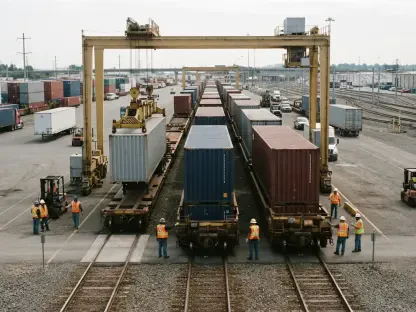
Moving beyond domestic considerations, the integration of product catalogs with automated sales channels has become a cornerstone of efficient international logistics. Cross-border shipping presents a maze of customs declarations and Harmonized System (HS) code requirements that can easily lead to significant delays if managed manually. Modern AI-driven systems now facilitate the automatic generation of electronic documentation and the precise assignment of six-digit codes at the point of sale. This technological synergy ensures that shipments are pre-cleared for international transit, effectively absorbing the complexities of intermodal drayage and preventing the costly border holds that often derail holiday timelines. Automation reduces the likelihood of clerical errors that trigger inspections, allowing global shippers to navigate the surge in volume with the same fluidity as their domestic counterparts. This shift from reactive paperwork to proactive data synchronization is vital for any brand.
Operational Agility and Financial Security
Intelligent Carrier: Implementing Multi-Network Redundancy
To eliminate the risks associated with single points of failure, modern enterprises are increasingly adopting multi-carrier strategies governed by sophisticated, automated business rules. These platforms utilize real-time data to evaluate variables such as destination zones, package dimensions, and specific delivery requirements, allowing for the dynamic selection of the most efficient carrier for every individual order. By diversifying their logistics network to include regional carriers and hybrid services, businesses can maintain high service levels while avoiding the exorbitant premiums typically associated with last-minute air shipping. This strategic redundancy ensures that if one carrier experiences a localized outage or capacity constraint, the system can automatically reroute volume to a secondary partner without manual intervention. This level of operational agility is a primary defense against the unpredictability of peak season demand, providing a framework that supports performance.
Precise Validation: Protecting Margins and Integrity
Financial integrity during these high-volume periods is further protected through the implementation of automated address validation and dimensional weight optimization. During the peak season, carrier fees for address corrections can soar to significant amounts per package, rapidly eroding the profit margins of retail shipments. Automated validation systems check shipping details against global postal databases the moment an order is placed, correcting errors before the label is printed and preventing costly misrouting or return-to-sender scenarios. Simultaneously, the use of SKU-level packaging presets ensures that every item is matched with the smallest possible container, directly addressing the impact of dimensional weight pricing. By optimizing the physical footprint of every shipment, companies can avoid unnecessary freight expenses and penalties that often go unnoticed in manual packing environments. These micro-adjustments aggregate into substantial cost savings.
Conversational Analytics: Utilizing Real-Time Operational Insights
The transition from static spreadsheets to conversational analytics is fundamentally changing how logistics managers interact with their operational data. Modern technology enables teams to use natural language queries to instantly identify cost variances, transit delays, or carrier performance dips the moment they occur in the field. This move away from cumbersome, manual data analysis allows for a level of visibility that was previously impossible during the frantic pace of the fourth quarter. When a shipping leader can ask a system for the immediate status of all delayed shipments in a specific region, they gain the ability to make rapid tactical pivots before those delays escalate into systemic failures. Such real-time insights empower organizations to hold carriers accountable and adjust their distribution strategies on the fly, ensuring that resources are allocated where they are most effective. This shift toward high-velocity data is a key differentiator for companies that navigate the volatility of global supply chains.
Proactive Visibility: Securing Future Customer Trust
Beyond internal mechanics, maintaining brand loyalty during the peak season relies on proactive communication and the management of the human element. Rather than providing vague delivery windows, successful organizations utilize visibility tools to display accurate, AI-calculated arrival dates and trigger automated notifications at every milestone. This transparency effectively manages customer expectations and reduces the volume of inquiries directed at support teams, which are already under pressure from seasonal volume. Moving forward, businesses should prioritize the integration of these automated visibility layers into their customer experience platforms to foster trust even when external factors cause unavoidable transit exceptions. The ultimate strategy for future cycles involves shifting away from reactive crisis management and toward a permanent architecture of intelligent automation. By auditing current address data, diversifying delivery networks, and embracing conversational analytics, logistics leaders position their operations to thrive.