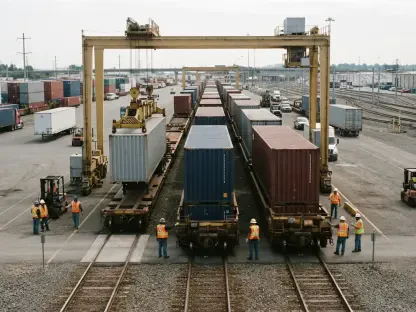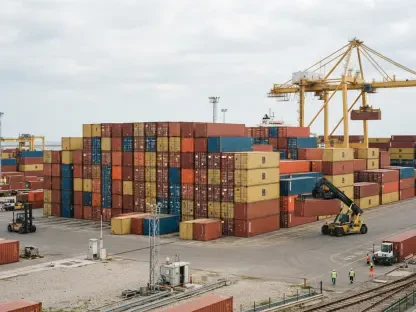

The establishment of a logistics subsidiary marks the end of Naver’s era as a mere intermediary and its debut as a direct participant in high-stakes physical fulfillment. This shift represents a seismic change in the South Korean e-commerce landscape, which was previously defined by Naver’s role as a dominant search engine and price comparison tool. By committing approximately $750 million through 2030, the tech giant is signaling a direct challenge to Coupang’s established “Rocket Delivery” empire. This strategic pivot is not merely about staying competitive but about ensuring survival in an environment where consumer patience for multi-day shipping has vanished. By securing operational control over the entire commerce lifecycle—from the initial search query to the final mile—Naver aims to bridge the gap between digital discovery and physical convenience. Historically, the platform thrived on its diversity of sellers and superior search algorithms, yet it suffered from a fragmented delivery experience. This new affiliate seeks to close that “predictability gap” by creating an ecosystem where digital discovery and physical delivery are perfectly synchronized.
Comparing Asset-Light and Asset-Heavy Models
Different Philosophies: E-commerce Logistics
The competition between Naver and Coupang represents a clash between two fundamentally different business philosophies: Coupang’s “asset-heavy” vertical integration versus Naver’s “asset-light” data strategy. While Coupang invested billions into owning land and building proprietary fulfillment centers, Naver is opting for a more capital-efficient approach. Naver’s plan involves utilizing leased infrastructure and collaborating with established logistics firms rather than purchasing property outright. This allows the company to scale rapidly with lower upfront risks, focusing its resources on technological integration rather than physical real estate.
Furthermore, this distinction highlights a broader debate regarding the efficiency of platforms versus integrated firms. Naver’s model relies on the strength of its ecosystem, where it acts as a central orchestrator rather than a sole operator. This approach mitigates the risks of high fixed costs and labor management that often plague traditional logistics companies. However, it also introduces the challenge of maintaining service quality across a fragmented network of third-party vendors. To succeed, Naver must ensure its partners adhere to strict performance standards that mirror the seamless experience consumers expect from fully integrated competitors.
Predictive Fulfillment: Using Consumer Data
Naver’s most potent weapon in the logistics war is its unparalleled access to consumer data, which it uses to act as the intellectual “brain” of its delivery network. By processing millions of search queries and purchase histories daily, the company can anticipate consumer demand with a level of precision that traditional retailers struggle to match. This predictive capability allows Naver to strategically pre-position inventory within its leased hubs, effectively moving goods closer to the customer before the checkout process is even completed. When a user finally places an order, the physical distance the product must travel is minimized, enabling next-day delivery without the need for massive, centralized warehouses.
This reliance on predictive fulfillment also creates a virtuous cycle that benefits both the platform and its participating sellers. Small and medium-sized merchants can leverage these data insights to manage their own inventory more effectively, reducing overhead costs and minimizing stockouts. As the system becomes more refined, the error margin in demand forecasting decreases, further lowering the operational costs associated with shipping and returns. Instead of reacting to orders as they arrive, Naver is building a proactive system that prepares for them in advance. This evolution represents a significant technological leap, as the platform moves away from being a passive marketplace toward becoming an active participant in the supply chain.
Measuring Market Performance and Growth
Rapid Expansion: N Delivery Services
Early indicators suggest that Naver’s logistics push is already gaining significant momentum among its loyal user base. In the most recent fiscal quarter, transaction values for “N Delivery” among membership users experienced a dramatic 38% year-over-year increase. This figure is particularly telling when compared to the broader growth rate of the general “Smart Store” platform, which saw a more modest increase of 6.4% during the same period. This discrepancy suggests that Naver’s customer base is increasingly gravitating toward guaranteed delivery services, prioritizing the speed and reliability of fulfillment over other factors like brand variety or price alone.
Beyond simple transaction growth, the quality of Naver’s logistics operations has shown remarkable resilience and accuracy. Currently, the company boasts a 98% success rate on its “arrival guarantees,” with a significant majority of orders reaching their destination by the next business day. This high level of performance is critical for building the brand trust necessary to compete with established logistics giants. Maintaining such a high standard requires constant monitoring and adjustment of the logistical pipeline, especially as the volume of shipments continues to climb. The data suggests that Naver’s transition into a direct participant in the fulfillment process is not just a theoretical ambition but a functional reality.
Scaling Up: Early Morning Delivery Hubs
To challenge the dominance of dawn delivery services, Naver has aggressively expanded its physical infrastructure, tripling its hub count from three to nine specialized locations in just six months. This rapid scaling led to a fourfold increase in the transaction value of early-morning deliveries, highlighting a strong appetite for premium fulfillment services. However, this growth has also attracted significant scrutiny from the financial markets. Following the announcement of the investment plan, Naver’s stock price faced a decline, reflecting investor anxiety about the high costs and low margins inherent in the logistics industry. While the strategic necessity is clear, the capital requirements remain substantial.
The tension between long-term strategic growth and short-term financial performance remains a central challenge for leadership. Logistics operations typically require significant scale to achieve profitability, and the initial phase of building out a nationwide hub network is capital-intensive. Critics argue that the move could compress profit margins if Naver is forced to heavily subsidize shipping costs to remain competitive. To navigate this, the company must ensure its logistics subsidiary can leverage its data advantage to drive operational efficiencies that its competitors cannot replicate. Balancing these massive infrastructure investments with sustainable cash flow will be the ultimate litmus test for the new vision.
Navigating the Future of Digital Commerce
The Convergence: Search and Physical Logistics
As the market consolidates into a battle between Coupang’s physical network and Naver’s data ecosystem, several trends have become clear. First, the traditional separation between search and logistics has completely dissolved; platforms are now expected to fulfill the demand they generate immediately. Second, predictability has replaced mere speed as the ultimate commodity in the e-commerce sector. Consumers no longer just want their items quickly; they want to know exactly when they will arrive with near-perfect certainty. This shift toward “guaranteed arrival” is reshaping how platforms design their user interfaces and manage their complex supply chains, forcing a move toward total transparency.
Furthermore, this convergence is pushing platforms to integrate financial services more deeply into the shopping experience. By combining search, payment, and delivery into a single, frictionless journey, Naver is attempting to create a “lock-in” effect that makes it difficult for users to migrate to other services. This holistic approach ensures that every touchpoint in the consumer journey provides valuable data that can be used to further refine delivery routes and inventory placement. As the distinction between a search engine and a retailer continues to blur, the competitive advantage will shift toward those who can manage the physical world with the same precision they apply to the digital realm.
Operational Tests: The Future Digital Economy
The path forward necessitated the deeper integration of artificial intelligence into every operational phase. For Naver, the next step involved refining coordination tools to autonomously manage complex handoffs between third-party logistics partners. This transition required a technical sophistication that moved beyond simple data analysis into real-time physical management. As the digital economy matured, the winners were those who seamlessly blended internet speed with physical reliability. Naver’s entry into direct fulfillment was a bold move that forced the industry to reconsider the value of data in a physical world. Success in this era demanded a focus on expanding delivery coverage to rural areas, where competition remained less intense than in major cities. By leveraging decentralized hubs, the platform provided a blueprint for other tech giants aiming to bypass expensive real estate investments. These actions eventually bridged the gap between search and service, creating a robust, predictive commerce framework that redefined the national retail hierarchy for years to come.