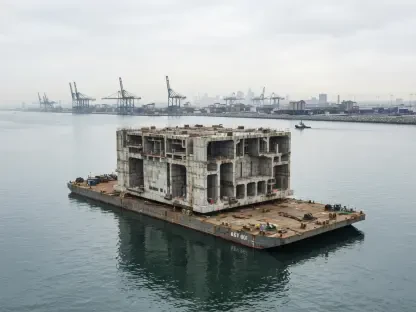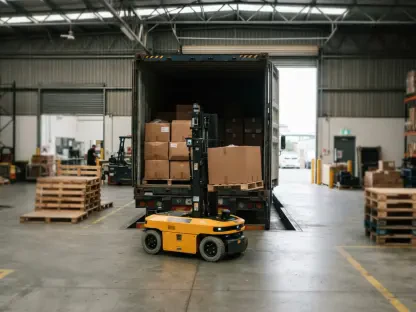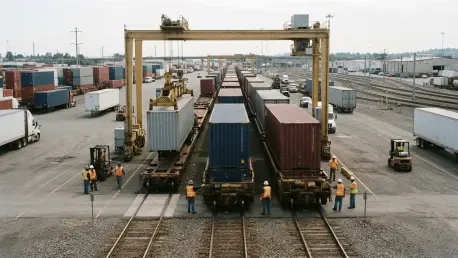

The value of industrial property is becoming increasingly tied to specific freight-handling capabilities like rail spurs and proximity to intermodal terminals. This fundamental shift marks a departure from the traditional model where location was primarily defined by proximity to coastal population centers or major highway interchanges. In 2026, the logistics industry has witnessed a maturation of the North-South corridor, a development that has effectively reoriented the continental supply chain toward a more balanced, multi-directional architecture. While the historical dominance of East-West trade—anchored by massive imports from Asia through West Coast ports—remains a pillar of the system, it is no longer the sole driver of infrastructure investment or warehouse demand. The economic integration of Canada, the United States, and Mexico has evolved into a sophisticated web of production and distribution, necessitated by a global environment that increasingly rewards speed, resilience, and geographic proximity to end-users. As shippers grapple with the complexities of modern trade, the vertical spine of North America has emerged as a stabilizing force, providing a vital alternative to trans-Pacific reliance and offering a more cohesive framework for regional economic growth.
The Evolution of Continental Railroad Networks
Integrating North American Rail Networks
The creation of the Canadian Pacific Kansas City railway represents a milestone in the logistical integration of North America, providing a single-line network that spans three countries. This consolidation has effectively eliminated the systemic delays that traditionally plagued cross-border movements, where shipments were forced to wait for handoffs between different rail providers at international boundaries. By offering a unified service from the Canadian heartland through the American Midwest and into the manufacturing centers of Mexico, the rail industry has created a seamless alternative to the long-haul trucking industry. This development is not merely about convenience; it is a structural change that allows shippers to plan with greater precision and reduced lead times. The ability to move products from a factory in San Luis Potosí to a distribution center in Chicago without switching carriers has significantly lowered the administrative burden and technical risks associated with international trade. For many high-value industries, such as automotive and electronics, this level of connectivity is essential for maintaining lean inventory levels while ensuring that production lines remain operational across multiple borders.
Beyond the immediate benefits of speed and reliability, this integrated rail infrastructure is driving a new wave of capital investment in supporting facilities. Logistics hubs located along this single-line route are seeing a surge in demand for sophisticated cross-docking facilities and temperature-controlled storage units. The efficiency of the rail network has made it feasible to transport perishable goods and time-sensitive components over distances that were previously reserved for air or road transport. As a result, the competitive landscape for logistics providers has shifted, favoring those who can leverage the scale of the rail system to offer door-to-door solutions across the continent. This integration is also fostering a more collaborative environment between rail operators and local governments, as both parties recognize the economic benefits of developing a high-capacity trade corridor. The presence of a single, accountable rail partner simplifies the complexities of customs clearance and regulatory compliance, making the North-South route an increasingly attractive option for global firms looking to optimize their regional footprint within the North American market.
Strengthening Intermodal Hubs and Border Crossings
The physical expansion of border infrastructure is a critical component in supporting the growing volume of north-south freight. Projects like the second span of the International Railway Bridge in Laredo, Texas, have fundamentally altered the throughput capacity of the continent’s busiest trade gateways. By doubling the available rail capacity at this strategic junction, the industry has managed to keep pace with the rising demand for cross-border goods movement. This infrastructure provides a vital release valve for the congestion that once defined the Laredo corridor, allowing for a more consistent flow of traffic and reducing the environmental impact of idling locomotives and trucks. These physical improvements are being matched by advancements in digital tracking and automated customs processing, which further streamline the movement of goods. The result is a border that functions less as a barrier and more as a high-speed conduit for the regional economy, enabling the just-in-time manufacturing processes that are now standard across the aerospace and heavy machinery sectors.
In addition to traditional border crossings, the development of intermodal links in the American Southeast and the West Coast is creating a more resilient and flexible logistics network. Joint ventures between rail providers have established new routes, such as the Southeast Mexico Express, which connects the industrial centers of southern Mexico directly with the consumer markets of the U.S. Southeast. This expansion of the intermodal footprint allows shippers to bypass the most congested segments of the highway system, offering a more sustainable and cost-effective method for moving high-volume shipments. Simultaneously, investments in major gateway projects, such as the Barstow International Gateway, are ensuring that the North-South and East-West corridors function as a complementary system. This “web-like” network allows for the dynamic rerouting of freight in response to localized disruptions, such as extreme weather events or port labor disputes. By creating a system that is not dependent on any single entry point or transportation mode, North American logistics has reached a level of maturity that provides a significant competitive advantage in the global market.
Shifting Gateways and the Rise of Nearshoring
Expanding the Role of Mexican Ports
A significant trend in 2026 is the growing reliance on Mexican maritime gateways as viable alternatives to the traditional West Coast ports of the United States. Ports such as Lázaro Cárdenas and Manzanillo have seen dramatic increases in container volume, driven by shippers seeking to diversify their entry points and avoid the historical volatility of San Pedro Bay. These Mexican ports offer a strategic advantage for goods destined for the American interior, as they are directly linked to the burgeoning North-South rail network. This shift is not just a temporary reaction to congestion; it represents a long-term strategic pivot by global shipping lines and logistics providers. By utilizing Mexican ports, companies can often achieve shorter transit times to the Midwest and the Gulf Coast, while also benefiting from lower operational costs at the terminal level. The ongoing modernization of these facilities, including the installation of automated cranes and the expansion of deep-water berths, has allowed them to accommodate the newest generation of ultra-large container vessels, further solidifying their position in the global supply chain.
The rise of Mexican ports is intrinsically linked to the broader “nearshoring” movement, where manufacturing capacity is relocated from Asia to North America to mitigate the risks associated with long-distance shipping and geopolitical instability. As factories proliferate in the industrial corridors of Mexico, the demand for the movement of both raw materials and finished goods has skyrocketed. This has created a virtuous cycle where increased port activity fuels further investment in local infrastructure, which in turn attracts more manufacturing operations. For shippers, this geographic proximity to consumer markets means that the “time-to-market” for new products is significantly reduced. Instead of waiting weeks for a vessel to cross the Pacific and clear a congested California port, goods produced in Mexico can reach a distribution center in the United States in a matter of days. This agility is becoming a primary differentiator for retailers and manufacturers who must respond quickly to changing consumer preferences. The integration of Mexican maritime and rail assets into a cohesive North American system is proving to be a catalyst for a more self-reliant and efficient regional economy.
Boosting Gulf Coast Trade Gateways
Port Houston and other Gulf Coast maritime hubs have emerged as central players in the new North American logistics landscape, providing a critical interface between global maritime trade and the continental interior. The growth in container volumes at these ports is a direct result of a strategic push by shippers to diversify their supply chain routes and reduce their exposure to disruptions at any single gateway. Port Houston, in particular, has benefited from its proximity to both the expanding manufacturing base in Mexico and the massive population growth in the American South. This “Third Coast” strategy allows companies to bring goods closer to their final destination, reducing the cost and complexity of inland transportation. The expansion of the Panama Canal has played a supporting role in this trend, enabling larger vessels from both Asia and Europe to reach the Gulf Coast with greater efficiency. As these ports continue to invest in dredging and terminal expansion, they are becoming indispensable nodes in a logistics network that is increasingly defined by its multimodal flexibility.
The success of the Gulf Coast ports is not solely due to maritime activity; it is also a result of their deep integration with the regional rail and trucking networks. These ports serve as the anchor for a vast hinterland that includes some of the fastest-growing industrial and consumer markets in the United States. The ability to move cargo directly from a vessel to a railcar or a long-haul truck without leaving the port complex is a major advantage for shippers looking to minimize dwell times. Furthermore, the growth of these gateways has spurred a massive expansion of the industrial real estate market in the surrounding areas. Large-scale distribution centers and manufacturing plants are being built at a record pace to take advantage of the ports’ connectivity. This development is creating a new hierarchy in the logistics world, where the Gulf Coast is no longer viewed merely as a regional hub for the energy industry, but as a top-tier gateway for global trade. The diversification of entry points provided by these ports ensures that the North American supply chain remains resilient, even as global trade patterns continue to shift in unpredictable ways.
The Geographic Impact on Industrial Real Estate
Defining Nexus Markets in Logistics
The physical manifestation of shifting trade flows is most visible in the emergence of “nexus markets,” which are cities positioned at the critical intersection of major North-South and East-West corridors. Dallas-Fort Worth serves as the quintessential example of this phenomenon, acting as a trimodal hub that receives goods from Mexican manufacturing centers, West Coast ports, and the Gulf Coast. In 2026, the attractiveness of DFW for logistics occupiers is at an all-time high, driven by its central location and its ability to serve as a primary distribution point for the entire continent. Companies are increasingly choosing to consolidate their operations in these nexus markets because they offer the flexibility to pivot sourcing strategies without relocating their physical footprint. If a disruption occurs in the Pacific, a company based in Dallas can seamlessly transition to receiving goods from Mexico or Houston. This level of operational agility is becoming a prerequisite for success in an era of supply chain uncertainty, making these strategic locations some of the most valuable industrial real estate in the world.
Chicago remains another indispensable node in this evolving network, leveraging its historic status as a rail capital to serve as the primary bridge between the North-South corridors and the densely populated markets of the Northeast and Canada. The city’s extensive intermodal infrastructure allows for the efficient transfer of goods between different rail lines and trucking routes, making it a natural hub for the distribution of Mexican-made industrial components and consumer products. The demand for modern, high-clearance warehouse space in the Chicago area has remained robust, even as other markets have seen a cooling of the post-pandemic industrial boom. This resilience is a testament to the city’s strategic importance in the continental logistics grid. As the North-South trade route continues to mature, Chicago’s role as a clearinghouse for trinational trade is expected to expand further. The ability to tap into a sophisticated network of rail, road, and air transport makes Chicago a critical component for any company looking to maintain a truly continental distribution strategy, reinforcing the value of its industrial assets in the long term.
Evaluating Growth in Regional Hubs
Kansas City has seen a significant transformation in its industrial real estate market, emerging as a primary beneficiary of the increased connectivity provided by the CPKC rail merger. The city’s location at the heart of the North-South axis has made it an ideal site for companies looking to establish distribution centers that can reach most of the continental United States within a two-day truck drive. In 2026, Kansas City has maintained some of the lowest vacancy rates in the country for rail-served industrial property, as demand for space tied to the new single-line rail service has consistently outpaced new construction. This growth is not limited to traditional warehousing; it also includes specialized facilities for the automotive and heavy equipment sectors, which rely on the steady flow of parts from Mexico. The integration of Kansas City into the North-South rail spine has elevated its profile from a regional distribution hub to a critical node in the international supply chain, attracting institutional investors looking for long-term stability and growth.
On the front lines of the U.S.-Mexico trade relationship, border markets like El Paso and Laredo are experiencing a level of industrial activity that was once unimaginable. These cities have evolved beyond simple transit points to become sophisticated logistics ecosystems that support the nearshoring trend. El Paso, in particular, has seen massive net absorption of industrial space as companies set up operations adjacent to the manufacturing clusters in Ciudad Juárez. These border hubs serve as the first point of entry for finished goods and the final staging area for components heading south, making them essential to the daily operations of the North American manufacturing sector. The demand in these markets is characterized by a need for large-format warehouses that can handle high volumes of cross-docking and short-term storage. As the complexity of border trade increases, the value of property with direct access to international bridges and rail yards has surged. These markets are no longer at the periphery of the logistics world; they are the engine room of the continent’s new trade architecture, providing the necessary infrastructure to support the deep economic integration of the three North American neighbors.
Policy Challenges and Future Market Outlook
Managing Regulatory and Trade Friction
The logistical success of the North-South trade corridor is heavily dependent on the stability of the regulatory environment, particularly the framework provided by the United States-Mexico-Canada Agreement. While the agreement has been instrumental in incentivizing North American sourcing through preferential tariffs, it is also subject to periodic reviews and political negotiations that introduce a layer of uncertainty into long-term planning. In 2026, companies are navigating a landscape where trade policy is frequently used as a tool for broader geopolitical and economic objectives. This environment creates a challenge for investors and occupiers who are looking to make significant capital commitments, such as signing ten-year leases or building high-tech manufacturing plants. The risk of sudden changes in tariff structures or labor regulations means that businesses must maintain a high degree of flexibility in their supply chain strategies. Consequently, many firms are opting for a “China Plus One” or “Mexico Plus One” approach, ensuring they have alternative sourcing and distribution paths available should the political climate shift unexpectedly.
Despite these challenges, the underlying economic drivers of North American integration remain powerful enough to overcome most political friction points. The sheer scale of investment in rail and port infrastructure has created a level of momentum that is difficult to reverse. However, the industry is increasingly calling for a more predictable and streamlined approach to trade policy to ensure the continental logistics network can reach its full potential. This includes the harmonization of customs procedures and the modernization of border technology to reduce the administrative burden on shippers. As the three nations work to balance their individual interests with the benefits of a cohesive trading bloc, the ability to manage policy uncertainty will be a critical skill for logistics leaders. The most successful organizations will be those that can anticipate regulatory shifts and adapt their operations accordingly, ensuring they can continue to capitalize on the advantages of North-South trade while minimizing their exposure to political risk.
Designing Resilient Logistics Portfolios
From an investment and operational perspective, the future of North American logistics is focused on creating “corridor-agnostic” portfolios that perform well regardless of the direction of trade flows. For institutional investors, this means diversifying holdings across various geographic markets and asset types to ensure they are not overly dependent on a single trade lane or transportation mode. The goal is to build a network of properties resilient to shifts in global trade patterns, whether those shifts favor the West Coast, the Gulf Coast, or the North-South rail spine. This approach naturally leads to higher valuations for assets offering multimodal connectivity, as they provide the greatest level of flexibility for occupiers. In 2026, the market is placing a premium on “future-proof” industrial space—facilities equipped with the power, technology, and site depth required to support automated sorting and high-velocity distribution. Investors who can successfully identify and acquire these strategic assets are well-positioned to capture the long-term growth of the continental economy.
For occupiers, the priority has shifted from simple cost containment toward operational continuity and speed to market. This change in mindset is driving a demand for more sophisticated facility designs that can handle a diverse range of products and transportation methods. As lease expirations approach, many companies are reevaluating their entire distribution footprint, looking for ways to integrate their warehouse locations more closely with North-South rail and port networks. The ability to pivot between different sourcing regions—such as shifting from Asian imports to North American production—without a complete overhaul of the logistics network is now a key strategic objective. This focus on flexibility is also influencing the way companies interact with their logistics providers, with a growing preference for partners who can offer integrated, multinational solutions. As the North American trading bloc continues to mature, the distinction between logistics and real estate will continue to blur, with the most valuable properties being those that serve as high-performance engines for a more integrated and resilient supply chain.
Implementing Strategic Long-Term Solutions
The transformation of the North-South trade network proved to be a pivotal moment for continental logistics, reorienting the way goods moved between Canada, the United States, and Mexico. By 2026, the maturation of single-line rail services and the expansion of key maritime gateways provided the physical capacity necessary to support a more resilient and self-contained regional economy. This structural evolution was driven by a fundamental shift in strategy, where shippers moved away from a total reliance on East-West lanes in favor of a more flexible, multidirectional network. The success of this transition was evidenced by the falling vacancy rates in nexus markets like Dallas and Kansas City, as well as the explosive growth of industrial infrastructure at the southern border. For businesses operating in this environment, the primary takeaway was the importance of multimodal connectivity and the need to hedge against policy uncertainty.
The future of the North American logistics sector will likely depend on the continued modernization of border infrastructure and the ability of the three nations to maintain a stable trade environment. Companies that took proactive steps to diversify their entry points and invest in rail-linked facilities were better positioned to navigate the complexities of the mid-2020s. Moving forward, the focus must remain on integrating physical assets with digital supply chain management to further enhance the speed and transparency of cross-border trade. For investors, the strategy should center on acquiring assets that are resilient to shifting trade volumes and capable of supporting advanced automation. By prioritizing flexibility and redundancy, the logistics industry can ensure that the North American supply chain remains a global leader in efficiency and reliability, regardless of the challenges that may arise in the broader geopolitical landscape. In the long term, the deep economic integration achieved through these North-South corridors will serve as the foundation for sustained regional prosperity.