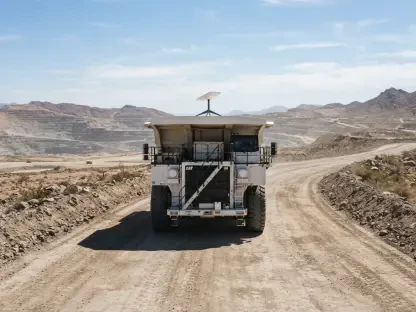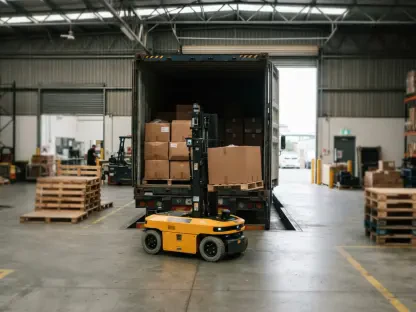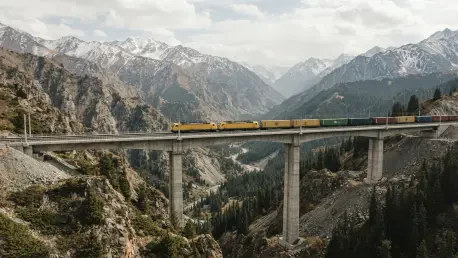

The Kyrgyz section of the line covers 305 kilometers of a challenging high-altitude environment, demanding a massive mobilization of local building materials, engineering services, and energy infrastructure. This colossal undertaking represents a definitive shift from the north-centric logistics of the previous century, effectively dismantling the geographical constraints that once confined the Central Asian republics to a single trade route. For decades, the flow of goods was dictated by Soviet-era blueprints that funneled major trade through Russian territory, leaving the southern reaches of the region largely isolated from direct global market access. However, as the geopolitical landscape shifts and the demand for diversified supply chains grows, the China–Kyrgyzstan–Uzbekistan (CKU) railway has emerged as a cornerstone of a new geography of choice. This project does not merely lay down tracks; it rewrites the strategic map of Eurasia by providing a shorter, more efficient corridor that connects the industrial powerhouses of East Asia with the growing markets of the Middle East and Southern Europe. By bypassing traditional bottlenecks, the route fosters a competitive environment where transit options are no longer a monopoly but a range of strategic alternatives for global shippers.
Historical Evolution: A Decades-Long Vision
The dream of connecting Kashgar to Andijan through the formidable Tian Shan mountains is not a recent ambition but a vision that has survived over twenty years of diplomatic negotiations and economic recalculations. Historically, the initiative was paralyzed by a combination of daunting physical barriers and complex geopolitical considerations that made investors wary of high-altitude construction costs. For much of the early 21st century, the project remained in a state of perpetual discussion, frequently hampered by shifting political priorities in Bishkek and Tashkent, as well as cautious fiscal stances from Beijing. The rugged terrain, which requires navigating passes that remain snow-choked for half the year, presented engineering challenges once considered prohibitively expensive for the projected freight volumes. Nevertheless, persistent advocacy for a southern alternative eventually outweighed these hesitations, leading to a renewed sense of urgency as global trade dynamics began to favor routes that offered resilience and independence from existing northern networks.
A watershed moment occurred on June 6, 2024, when an intergovernmental agreement finally solidified the legal and financial foundation for the project, moving it from the realm of theory into the phase of heavy machinery and structural engineering. This agreement signaled a departure from decades of stalemate and demonstrated a unified political will that had previously been absent among the three key stakeholders. By late 2024, the official groundbreaking ceremony marked the beginning of an intensive construction cycle that has continued at a brisk pace through the current year. Currently, work is visible across multiple sectors of the route, with tunnels being bored through granite peaks and bridges stretching across deep mountain valleys. This momentum is not just about civil engineering; it reflects a broader strategic realignment where Central Asian nations are actively asserting their role as primary actors in international commerce rather than passive transit states. The rapid progress seen today is the culmination of years of quiet negotiation, now manifesting as a tangible steel artery that promises to reshape the region’s economic destiny.
Technical Scope: The Financial Framework
Stretching across approximately 530 kilometers of some of the world’s most unforgiving landscapes, the CKU railway is a masterclass in modern infrastructure development. The journey begins in the historic trade hub of Kashgar in China’s Xinjiang region and terminates in the industrial center of Andijan, Uzbekistan, effectively bridging the gap between the two nations through the heart of Kyrgyzstan. The Kyrgyz segment is the most complex, necessitating the construction of nearly 50 bridges and 29 tunnels to overcome the extreme elevation changes of the Torugart Pass and the surrounding mountain ranges. Such an endeavor requires specialized high-altitude engineering techniques and a robust logistics chain to ensure that materials reach construction sites that are often inaccessible by traditional roads. This massive mobilization of resources is driving a surge in demand for regional building materials, which in turn stimulates local economies along the route. The technical ambition of the project is matched only by its strategic importance, as it provides the missing link in a corridor that could eventually handle up to 15 million tons of cargo annually.
Financing a project of this magnitude required a sophisticated capital structure that balanced the interests of three sovereign nations with vastly different economic scales. The total estimated cost of $4.7 billion is managed through a joint venture where China holds a majority 51% stake, with Kyrgyzstan and Uzbekistan each contributing 24.5% of the equity. This tripartite arrangement ensures that while China provides the bulk of the initial investment and technical leadership, the Central Asian partners maintain a significant level of ownership and oversight. The funding model utilizes a combination of direct state equity and long-term concessional loans from Chinese financial institutions, which provides the necessary liquidity for rapid construction but also necessitates a disciplined approach to fiscal management. For Kyrgyzstan and Uzbekistan, the long-term sustainability of this debt depends heavily on the realization of high transit volumes and the collection of fees from international freight operators. Consequently, the financial success of the railway is inextricably linked to its operational efficiency and its ability to attract global shippers who are seeking alternatives to more congested routes.
Technical Barriers and Engineering Solutions for Overcoming the Significant Gauge Challenges Encountered in Global Rail Systems
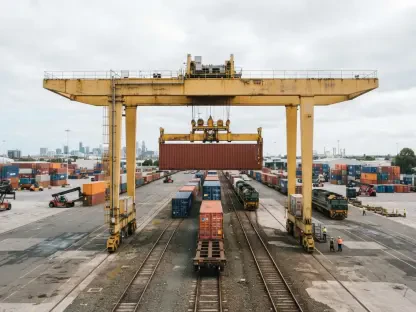
One of the most significant technical hurdles facing the project is the historical discrepancy in rail gauges, a legacy of 19th-century infrastructure standards. While China operates on the international standard gauge of 1,435 mm, the rail networks of Central Asia utilize the 1,520 mm broad gauge inherited from the Soviet Union. This physical incompatibility means that trains cannot simply pass from one country to another without intervention, creating a potential bottleneck at the border. To address this, the CKU project incorporates the construction of massive transshipment hubs at strategic locations, where containers can be efficiently transferred from one set of railcars to another. These facilities are designed to be high-capacity environments where advanced crane systems and automated logistics management minimize the time required for the transfer process. The goal is to make the transition between gauges as seamless as possible, ensuring that the time saved by taking a shorter route is not squandered during the technical changeover, thereby maintaining the corridor’s competitive advantage.
Beyond physical transshipment, the project explores the implementation of variable-gauge technology, which allows specialized rolling stock to adjust its wheelsets while in motion. While this technology is more capital-intensive, it offers the potential to further reduce transit times and operational complexity by allowing certain categories of freight to bypass traditional transshipment procedures. The decision on which technology to prioritize at specific points will determine the overall competitiveness of the CKU corridor compared to established routes through Kazakhstan. If the transshipment process is executed with high efficiency, it could set a new standard for cross-border logistics in Eurasia, demonstrating that technological innovation can overcome historical infrastructure barriers. Furthermore, these gauge-changing hubs are expected to become centers of regional economic activity themselves, attracting service providers and logistics firms that will create a cluster of specialized expertise. The successful management of this technical challenge is a prerequisite for the railway’s long-term commercial viability and its deep integration into the global supply chain.
Regional Strategy: Ending the Transportation Deadlock
For Kyrgyzstan, the CKU railway is far more than a simple transit corridor; it is a sovereign instrument for national integration and the definitive solution to a century of internal transport deadlock. Historically, the country’s geography has split the nation into northern and southern halves with limited connectivity, making internal trade both difficult and expensive. The new rail line provides a high-capacity link that finally bridges this divide, allowing for the efficient movement of goods between domestic markets and reducing the reliance on treacherous mountain passes. This internal connectivity is expected to stimulate agricultural and industrial production in previously isolated provinces, as farmers and manufacturers gain reliable access to both national and international buyers. By integrating its own domestic markets into the global trade grid, Kyrgyzstan is transforming its internal geography from a series of disconnected valleys into a unified economic space that is far more resilient to external shocks and capable of supporting a broader industrial base.
To maximize the economic windfall from this project, the government in Bishkek is aggressively pursuing a strategy of value-added transit rather than merely collecting fees from passing trains. This involves the development of specialized logistics terminals and dry ports along the Kyrgyz section of the route, designed to attract international firms to set up sorting and light manufacturing facilities within the country. By creating these industrial clusters, Kyrgyzstan aims to ensure that the railway serves as a catalyst for local employment and technology transfer. These efforts are supported by a focus on improving the software of trade—streamlining customs procedures and implementing digital tracking systems that make the Kyrgyz transit route as transparent and efficient as possible. If successful, this approach will allow Kyrgyzstan to capture a larger share of the global value chain, moving beyond its traditional role as a primary resource exporter and toward becoming a specialized logistics hub at the center of the New Silk Road, fostering long-term prosperity.
Uzbekistan’s Vision: Driving Industrial Expansion
Uzbekistan is rapidly transforming its economic landscape by prioritizing industrial growth and modernization to ensure long-term stability and global competitiveness. The government is implementing comprehensive reforms aimed at attracting foreign direct investment and fostering the development of high-value-added manufacturing sectors. By upgrading infrastructure and creating a more favorable business climate, the nation seeks to reduce its dependence on raw material exports and transition toward a diversified, innovation-driven economy. These strategic initiatives are expected to generate sustainable employment opportunities and significantly improve the standard of living for the country’s growing population. Efforts are also being made to integrate advanced technologies into traditional industries to increase productivity and meet international quality standards. As Uzbekistan continues to expand its industrial capacity, it remains focused on building strong international partnerships and enhancing its role in the global supply chain.
Uzbekistan views the completion of the CKU Railway as the primary engine for its ambitious program of logistics-led industrialization. As the most populous nation in Central Asia with a rapidly expanding manufacturing base, the country requires direct and cost-effective access to global markets to sustain its economic growth trajectory. Currently, Uzbek exporters of textiles and chemicals face significant overhead costs due to the long distances and multiple border crossings required to reach maritime ports. The new railway dramatically alters this equation by providing a more direct route to the East through China and to the West through the Caspian region. This reduction in transportation costs is expected to make Uzbek goods significantly more competitive in international markets, encouraging further investment in the country’s industrial zones. By lowering trade barriers, the railway acts as a massive stimulus for the entire manufacturing sector, allowing Uzbekistan to leverage its labor advantages and growing technical expertise on a global scale.
A central component of this strategy is the revitalization of the Fergana Valley, a densely populated and industrially significant region shared with neighboring republics. The railway’s terminus in Andijan positions the valley as a major logistics and distribution hub for the entire region, creating a gravity well for trade that could stimulate cross-border cooperation and economic integration. Tashkent is investing heavily in the infrastructure surrounding the rail terminus, building modern warehousing and industrial parks that can process both incoming high-tech imports from China and outgoing agricultural exports. This focused development aims to transform the Fergana Valley into a special economic zone that serves as the gateway for Central Asian trade with the wider world. By aligning its national industrial goals with the regional infrastructure project, Uzbekistan is positioning itself not just as a transit partner, but as the industrial heart of the new Eurasian corridor, where the railway serves as the vital artery for its continued and sustainable economic ascent.
Strategic Market Dynamics and Effective Approaches for Navigating the Evolving Landscape of International Competition With Kazakhstan
The emergence of the CKU railway inevitably introduces a new dynamic of competition for Kazakhstan, which has long enjoyed a near-monopoly on overland transit between China and the West. The established crossings at Dostyk and Khorgos have been the primary conduits for Eurasian rail freight, generating substantial transit revenue and fostering a sophisticated logistics ecosystem within the country. However, the CKU route offers a geographically shorter path for goods destined for Uzbekistan and the Middle East, potentially diverting a portion of the southbound cargo that currently traverses Kazakh territory. This shift is driving a redistribution of market share, forcing existing logistics providers to reassess their pricing strategies and service offerings. While some might see this as a challenge to Kazakhstan’s dominance, it also serves as a catalyst for overall regional improvement, as competition encourages all players to enhance efficiency, reduce transit times, and modernize their infrastructure to retain their customer base in a competitive market.
Kazakhstan’s response to this new reality has been one of strategic adaptation rather than opposition, focusing on its own Middle Corridor investments and diversifying its service portfolio. By strengthening the Trans-Caspian International Transport Route, Kazakhstan is positioning itself as the premium, high-capacity link for transcontinental shipments. Experts suggest that the two routes will eventually serve different niches: the CKU will likely handle regional trade and transit to the Middle East, while the Kazakh corridors will remain the heavy-lift backbone for northern and trans-European freight. This specialization allows both nations to benefit from the overall increase in Eurasian trade volumes without engaging in a destructive race to the bottom on transit fees. Furthermore, the presence of multiple viable routes increases the overall resilience of the regional transport network, ensuring that global supply chains are protected from localized disruptions or bottlenecks in any single corridor, ultimately benefiting the entire international trading community.
Regional Grid: Integrating Tajikistan and Turkmenistan
Although Tajikistan and Turkmenistan are not primary signatories to the CKU construction agreement, their economic futures are deeply intertwined with the success of this new rail artery. Tajikistan, in particular, faces a critical period of strategic decision-making to avoid being marginalized by new trade flows. To benefit from the CKU, Dushanbe must invest heavily in road and rail connections that link its domestic production centers to the new logistical hubs appearing in the Fergana Valley. Without these vital last-mile connections, Tajikistan risks becoming an isolated enclave as primary trade routes shift toward its neighbors. Consequently, the government is focusing on upgrading border crossings and simplifying customs protocols to ensure that Tajik goods can move seamlessly into the CKU network. By positioning itself as a supplementary branch of the main line, Tajikistan can leverage regional momentum to boost its export potential and attract foreign investment into its burgeoning mining and agricultural sectors.
Turkmenistan, on the other hand, stands to gain significantly as a natural gateway for the CKU railway’s extension toward the Middle East and the Caspian Sea. The logic of the new corridor naturally leads freight toward the Turkmen border, where it can connect with the Port of Turkmenbashi and the extensive rail network leading into Iran and the Persian Gulf. This positioning allows Turkmenistan to act as a vital transit bridge, facilitating trade between the CKU nations and the broader markets of the South. However, to fully realize this potential, Ashgabat must offer competitive and transparent transit tariffs, along with efficient border management systems that minimize delays. The integration of Turkmenistan into the CKU ecosystem would create a comprehensive southern corridor that links the Pacific coast of China with the Mediterranean and the Gulf. By working in concert with its neighbors, Turkmenistan can solidify its role as an indispensable pillar of regional connectivity, ensuring that the benefits of the railway are felt across the entire Central Asian landscape and beyond.
Strategic Cooperation: The Importance of Trade Software
While the physical construction of tracks and tunnels is a monumental achievement, the ultimate success of the CKU railway depends on the software of trade—the regulatory frameworks, customs protocols, and digital systems that govern the movement of goods. Without a high degree of regional coordination, the time saved by the shorter physical route could easily be lost to bureaucratic delays and opaque border procedures. The participating nations are currently working toward a harmonized transit policy that includes unified documentation and synchronized tariff structures. Such coordination is essential to make the corridor commercially attractive to global logistics firms, which prioritize predictability and speed above all else. By creating a seamless regulatory environment, the CKU nations can ensure that their multibillion-dollar investment yields the maximum possible return in terms of freight volume and economic activity, transforming the region into a highly efficient and reliable link in the global supply chain.
Beyond the logistics of transit, a major focus for regional planners is avoiding the transit trap, where a country serves merely as a conduit for foreign goods without developing its own internal economy. To prevent this, there is an increasing emphasis on creating regional value chains—integrated production networks where components manufactured in one country are assembled in another before being exported via the new rail line. This shift from simple transit to active production requires deep economic integration and the removal of trade barriers that have historically hindered intra-regional commerce. A unified regional transportation policy acts as the foundation for this broader economic cooperation, encouraging businesses to view Central Asia as a single, integrated market rather than a collection of fragmented economies. If these nations can successfully coordinate their industrial strategies, the CKU railway will become more than just a path for trains; it will be the backbone of a resilient and self-sustaining regional economy capable of competing effectively on the global stage.
Engineering Risks: Sustainability and Future Scenarios
The road to full operational capacity is fraught with significant engineering and fiscal risks that must be carefully managed to ensure the project’s long-term viability. Building a railway through the seismically active and high-altitude terrain of the Tian Shan mountains is a task of unprecedented complexity, where extreme weather conditions and geological instability can lead to unforeseen delays. Engineers must account for the risk of landslides and the structural stresses of operating at elevations where temperatures fluctuate wildly throughout the year. These physical challenges demand a constant state of vigilance and a flexible approach to construction management, as even minor miscalculations can have significant financial consequences. The ability of the joint venture to successfully navigate these technical hurdles will be a testament to the engineering prowess of the participating nations and a critical factor in determining whether the project stays on schedule and achieves its intended throughput capacity.
From a fiscal perspective, the $4.7 billion price tag represents a substantial investment that places a heavy burden on the national budgets of Kyrgyzstan and Uzbekistan. Maintaining fiscal sustainability requires a disciplined approach to debt management and a realistic assessment of projected freight volumes over the next decade. If the railway fails to attract the anticipated level of traffic, debt service could become a significant strain on the smaller economies involved, potentially crowding out other essential public investments. Therefore, the strategy through 2028 focuses on aggressively marketing the corridor to international shippers and continuously improving operational efficiency. Political stability remains another crucial prerequisite, as any regional disputes could disrupt the flow of trade and undermine the confidence of global investors. Despite these challenges, regional leaders remain cautiously optimistic, believing that the long-term strategic benefits of the railway far outweigh the immediate financial and technical risks.
Why are the railway gauges in Central Asia different from the standard measurements used in many other parts of the world?
The discrepancy in rail gauges across Eurasia is a historical legacy rooted in the geopolitical strategies of the 19th and 20th centuries. The Russian Empire, and later the Soviet Union, adopted the 1,520 mm broad gauge partially as a defensive measure to prevent the rapid movement of invading foreign armies whose trains operated on the 1,435 mm standard gauge. This intentional technical barrier created a distinct logistical space that encompassed all the Central Asian republics, ensuring that rail transport within the bloc was integrated while remaining physically separated from neighboring systems in China and Europe. While this served the security and economic interests of the Soviet era, it has become a significant technical challenge in the modern age of globalized trade, where seamless connectivity is a primary requirement for efficient logistics and international supply chain management.
In the context of the CKU railway, this gauge difference necessitates the creation of sophisticated transshipment points where goods must be transferred between trains. While modern technology has made this process faster and more efficient through automated crane systems and variable-gauge wheelsets, the underlying difference remains a reminder of the region’s historical isolation. Overcoming this barrier is not just about engineering; it is a symbolic step toward integrating Central Asia into global trade standards. By building high-capacity hubs that can handle the transition between the two systems, the CKU project effectively bridges a historical divide, allowing the region to maintain its existing infrastructure while simultaneously participating in the international trade network. This dual-gauge approach represents a pragmatic solution to a historical problem, enabling the region to leverage its unique geography without the prohibitive cost of converting its entire national rail system.
In what ways do modern railroad systems contribute to the economic prosperity and overall social well-being of the various local populations living within their immediate vicinity?
Beyond the high-level economic statistics and geopolitical shifts, the CKU railway is expected to provide tangible benefits to the local populations living along its 530-kilometer route. The construction phase alone has already created thousands of jobs, ranging from highly skilled engineering roles to labor-intensive construction and maintenance positions. Furthermore, the massive mobilization of resources has spurred the development of local infrastructure, such as improved power grids and expanded road networks, which directly benefit rural communities that were previously underserved. By connecting isolated regions to the national and international transport grid, the railway facilitates easier access to markets for local farmers and small business owners, allowing them to sell their products more widely and at lower transport costs. This increased connectivity is a vital driver for poverty reduction and economic diversification in the mountainous regions of Kyrgyzstan and the industrial heartlands of Uzbekistan.
Moreover, the establishment of logistics hubs and industrial zones along the railway is expected to attract long-term investment, leading to the creation of sustainable employment opportunities in sectors like manufacturing, sorting, and packaging. These developments provide a path for regional youth to gain specialized technical skills and enter the modern workforce without having to migrate to distant cities or foreign countries for work. The presence of the railway also helps lower the cost of imported consumer goods and industrial components, improving the overall standard of living for the general population. By fostering a more vibrant and integrated local economy, the project helps stabilize border regions and encourages peaceful cross-border cooperation. The railway is thus more than a transit path; it is a catalyst for social development that empowers local communities to participate in and benefit from the growing trade between the East and the West.
What are the primary factors that significantly influence the overall duration and reliability of estimated shipping times?
The primary commercial appeal of the CKU railway lies in its ability to significantly reduce shipping times between East Asian production centers and markets in the Middle East and Southern Europe. By providing a more direct overland route, the corridor is expected to shorten the journey from Western China to the Caspian region by approximately 900 kilometers compared to existing northern routes. This reduction in physical distance translates into time savings of several days, making rail transport a much more competitive alternative to maritime shipping, which can take several weeks to navigate the Suez Canal. For businesses that deal in time-sensitive or high-value goods, such as electronics or seasonal textiles, these savings are critical for maintaining lean supply chains and responding quickly to market demands. The increased speed of the CKU route provides a middle ground between the high cost of air freight and the long lead times of sea transport.
Furthermore, the implementation of digital customs procedures and efficient transshipment technologies is designed to ensure that these physical distance savings are not lost to administrative delays. The goal is to create a corridor that is not only shorter but also more predictable and transparent than its competitors. This improved efficiency contributes to a reduction in fuel consumption and lower carbon emissions per ton of cargo, aligning the route with global sustainability goals. As infrastructure matures and transit volumes increase, economies of scale are expected to further drive down shipping costs, making the CKU route an indispensable link in the global logistics network. The successful reduction in shipping times serves as a powerful incentive for international carriers to diversify their transport portfolios, ultimately enhancing the resilience and efficiency of the entire Eurasian trade system while cementing Central Asia’s role as a vital transcontinental bridge.
The construction of the China–Kyrgyzstan–Uzbekistan railway proved to be a defining moment in the evolution of Central Asian economic policy. By successfully navigating the complexities of high-altitude engineering and three-way financing, the region demonstrated its capacity for large-scale, transformative projects that move beyond historical dependencies. This initiative effectively bridged the gap between East and West, creating a permanent steel link that reshaped trade patterns across the Eurasian landmass. The completion of the line provided the necessary momentum for the next phase of regional integration, where the focus shifted from building infrastructure to optimizing its use. Moving forward, the priority for the region lies in expanding these logistical hubs into full-scale industrial zones that can support a new generation of high-tech manufacturing and digital services. Strengthening legal protections for international investors and further digitizing the entire supply chain became the logical next steps for ensuring the corridor’s continued competitiveness. By establishing this vital trade artery, the participating nations secured their roles as central players in the global economy, paving the way for a more integrated and prosperous Central Asia that no longer looks to its borders with apprehension, but with the confidence of a land-linked powerhouse.