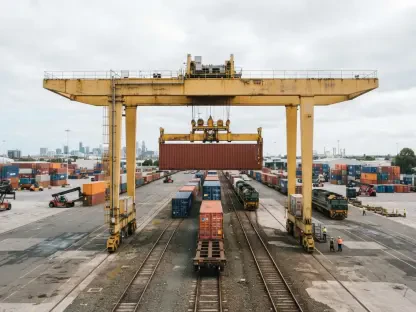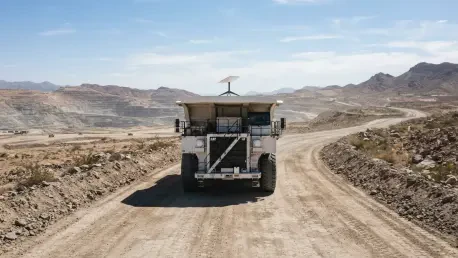

Advanced eight-channel digital video recorders can now stream live footage from remote sites, providing immediate visual evidence for insurance and safety audits. This capability represents a monumental shift for fleet operators who previously struggled with the intermittent nature of terrestrial mobile networks. In 2026, the partnership between IntelliTrac and Starlink has effectively bridged the gap between urban logistics and the world’s most isolated work environments. By integrating the Starlink Mini satellite system with the EP23 and EP26 Elite telematics series, organizations in mining, agriculture, and construction are no longer bound by the proximity of cellular towers. This low Earth orbit satellite framework ensures that assets remain visible regardless of geography. The evolution of this technology means that real-time data is no longer a luxury reserved for metropolitan areas but a standard operational requirement for all remote projects. This change transforms fleet management from a reactive process into a proactive strategy.
The Transition: Moving Beyond Terrestrial Limits
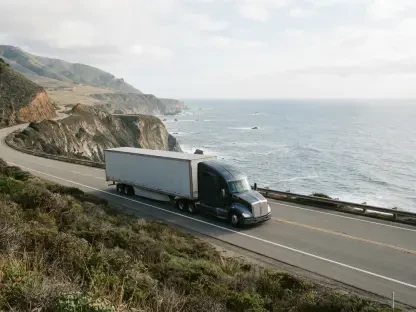
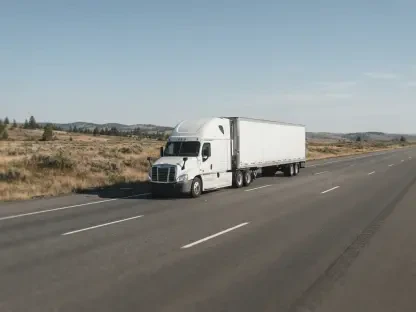
Traditional mobile network infrastructure has long served as the primary bottleneck for logistics companies operating in expansive, unpopulated regions. When a heavy-duty truck or a mining vehicle moves beyond the reach of a cellular tower, it essentially disappears from the digital map. This lack of visibility is more than just a minor technical inconvenience; it represents a significant operational hazard that compromises the safety of both the driver and the equipment. Fleet managers lose the ability to receive engine diagnostics, fuel consumption reports, or real-time GPS coordinates, creating a blind spot that can last for hours or even days. In such scenarios, if a mechanical failure occurs in the middle of a desert or a dense forest, the delay in relaying that information can lead to exorbitant repair costs and lost productivity. The historical reliance on terrestrial networks meant that remote operations were always at a disadvantage compared to urban fleets.
Ensuring the safety of personnel in high-risk environments is perhaps the most critical application of this new satellite-enabled technology. The integrated telematics hardware is equipped with advanced sensors capable of detecting specific physical events such as high-impact collisions, sharp rolls, or sudden decelerations. Under the old cellular-only model, a vehicle involved in a rollover in a dead zone would have no way to alert emergency services automatically. However, with the Starlink connection, the system immediately recognizes the incident and transmits an automated distress signal directly to the dispatch center. This alert includes the precise GPS coordinates of the vehicle, allowing rescue teams to be deployed with pinpoint accuracy. This capability is vital for meeting duty-of-care obligations, as it significantly reduces the time between an accident and the arrival of medical assistance. Every second saved in a remote environment is a critical factor in saving lives.
Digital Workflows: Streamlining Remote Office Operations
The transformation of a vehicle into a mobile office is another significant breakthrough made possible by the Starlink Mini’s Wi-Fi capabilities. In remote areas where standard mobile phones are useless, in-vehicle Android tablets can now utilize high-speed internet to run essential communication software. Drivers and field technicians are able to use standard enterprise tools such as Microsoft Teams or WhatsApp to conduct voice and video calls with corporate headquarters staff. This level of interaction is a major upgrade over traditional radio systems, which are often plagued by static and limited range. Additionally, the system supports Radio-over-IP and push-to-talk applications, allowing for instant group communication among a distributed workforce. These tools ensure that project instructions can be clarified in real time, reducing the likelihood of errors on-site. The ability to consult with experts via video call from a remote construction site can expedite problem-solving and keep projects on schedule.
Digital workflow management is further enhanced through the use of specialized applications like Hawk, Atlas, and Worx, which are designed to streamline reporting. Previously, drivers had to rely on paper forms or offline digital logs that could only be uploaded once the vehicle returned to a depot with cellular or Wi-Fi coverage. This data lag often resulted in delayed compliance reporting and inaccuracies in maintenance scheduling. With integrated satellite connectivity, all data entry—ranging from pre-start vehicle inspections to chain-of-responsibility documentation—is synchronized with the central server the moment it is submitted. This real-time update capability ensures that the organization remains compliant with all legal and safety regulations without the administrative burden of manual data entry. By digitizing these processes, fleet operators can improve the accuracy of their records and gain deeper insights into the efficiency of remote operations through synchronized data.
Strategic Implementation: Considerations for Future Success
Deploying a satellite-based telematics solution requires a strategic approach that considers both the technical and financial aspects of the technology. Organizations first needed to evaluate the compatibility of their existing fleet infrastructure with the Starlink Mini hardware and the Elite series telematics devices. It was not merely a matter of purchasing the equipment; it involved a comprehensive audit of power requirements and mounting configurations to ensure long-term stability in harsh environments. Furthermore, a detailed cost-benefit analysis became essential as satellite data plans followed different pricing structures compared to traditional cellular packages. While the initial investment might have seemed higher, the long-term savings realized through improved safety, reduced downtime, and lower insurance costs often outweighed the hardware expenses. Managers had to determine the appropriate data limits for their operations, particularly when considering the high-bandwidth requirements of live video streaming.
The transition to this integrated system successfully established a new benchmark for global fleet visibility and operational resilience. Specialized installation procedures were adopted to ensure that antennas were positioned to maximize sky visibility, minimizing the impact of physical obstructions like canyons or heavy tree canopies. Technicians implemented stable power supply solutions that protected the sensitive satellite hardware from the fluctuations common in heavy machinery. Looking ahead, fleet operators began to explore how these persistent data links could further integrate with autonomous driving systems and remote-controlled machinery in the field. The focus moved toward optimizing data usage through intelligent compression and prioritized traffic for critical safety alerts. This technological convergence provided the blueprint for a future where geographic isolation no longer serves as a barrier to digital transformation. By embracing satellite connectivity, remote industries effectively secured their place in a globally connected economy.