
The physical constraints of congested city centers are driving a transition toward alternative delivery models, including cargo bikes and neighborhood parcel lockers. This shift reflects a broader transformation where last-mile delivery has evolved from a routine transportation task into the central pillar of global supply chain strategy. While international logistics once focused on the movement of massive volumes between manufacturing hubs and deep-water ports, the contemporary marketplace centers on the precision and agility of the final leg. Today, the demands of the last mile dictate upstream decisions, influencing network design and inventory placement. As consumer expectations for speed reach new heights, companies must view this concluding movement not as a logistical afterthought, but as the primary metric of operational success. This environment necessitates a deep integration of technology to maintain competitive advantages. The complexity of the final mile requires a fundamental rethinking of how goods travel from source to destination.
Redefining Network Design and Economic Success
Part 1: Shifting to Decentralized Urban Fulfillment Models
To achieve same-day or next-day results, companies are shifting away from traditional, massive national distribution centers toward a decentralized model characterized by forward-deployed inventory. This transition involves placing stock in smaller urban fulfillment centers and micro-hubs located within high-density residential and commercial areas. By positioning goods closer to the consumer, businesses can significantly reduce the physical distance and time required to complete the final delivery. This decentralized approach is not merely about physical location but represents a fundamental change in how demand is satisfied in real time. It requires a sophisticated understanding of local consumer behavior and the ability to restock these micro-hubs with high precision to avoid stockouts. Consequently, the warehouse landscape is being reshaped to favor smaller, numerous nodes over a centralized structure, allowing for a more responsive and agile supply chain network.
The transition to urban fulfillment models also necessitates a reorganization of middle-mile logistics, as the frequency of replenishment for micro-hubs increases compared to traditional warehouses. Supply chain managers are finding that the complexity of managing dozens of smaller nodes requires higher levels of automation and labor coordination. This model allows for the mitigation of risks associated with long-haul transportation delays, as the critical inventory is already situated within the city perimeter. Furthermore, the use of these localized nodes supports the growing trend of ship-from-store strategies, where retail locations serve as secondary fulfillment points for online orders. This multi-layered distribution network ensures that products are always within reach of the consumer, regardless of sudden spikes in demand. By adopting these flexible nodes, organizations can maintain high service levels while navigating the logistical challenges posed by increasingly dense urban environments.
Part 2: Prioritizing Total Fulfillment Costs Over Mileage
Logistics managers are moving away from focusing solely on low-cost long-haul rates to evaluating the total cost of fulfillment. This economic shift recognizes that even the cheapest ocean freight becomes unviable if the final delivery stage is inefficient or overly expensive. By focusing on the cost per successful delivery rather than simple mileage, businesses can better balance the expenses of urban navigation, labor, and specialized transport. The total cost of fulfillment includes factors such as vehicle idle time, fuel consumption in traffic, and the specific labor costs associated with different delivery environments. This comprehensive financial perspective allows companies to make more informed decisions about carrier selection and delivery methods. As the cost of the last mile continues to account for a large share of the logistics budget, optimizing these final steps is essential for maintaining profitability in a competitive e-commerce landscape.
The prioritization of total fulfillment costs is leading to a reevaluation of the value proposition of different shipping lanes and transportation modes. For example, a company might choose a more expensive but faster shipping method to a regional hub if it significantly lowers the complexity or cost of the final-mile delivery. This strategic trade-off is becoming more common as organizations realize that speed and reliability at the doorstep can drive customer loyalty and repeat business far more effectively than marginal savings on bulk freight. Additionally, the move toward density-based pricing over distance-based pricing is changing how companies budget for their distribution networks. When efficiency is measured by the success of the stop rather than the miles traveled, the economics of logistics shift in favor of high-density routes. This change encourages companies to consolidate their orders and utilize data to maximize every vehicle.
Leveraging Technology to Solve Final-Mile Challenges
Part 3: Adapting to Modern Urban Delivery Constraints
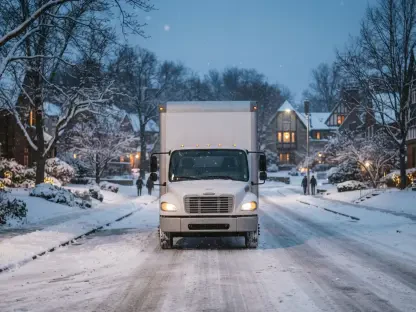
In dense city environments, traditional delivery methods often fail due to traffic congestion, limited parking, and strict delivery windows. To address these complexities, companies are adopting time-centric urban planning that schedules stops based on specific location types rather than distance. This approach often involves alternative delivery models, such as using cargo bikes, neighborhood pickup points, and automated parcel lockers to navigate the physical constraints of metropolitan centers. Cargo bikes offer a versatile solution for navigating narrow streets and avoiding the delays associated with searching for parking for larger vans. These alternative modes not only improve the efficiency of the delivery process but also align with broader urban sustainability goals. By diversifying the fleet to include smaller, more agile vehicles, logistics providers can ensure that delivery commitments are met during peak traffic.
The use of neighborhood parcel lockers and designated pickup points further streamlines the urban delivery process by consolidating multiple deliveries into a single secure location. This reduces the number of individual stops a driver must make and eliminates the need for repeated attempts when a recipient is not home. For the consumer, these lockers offer a convenient and flexible way to receive goods without being tethered to a specific delivery window. From a supply chain perspective, this model enhances delivery density, which is a key driver of profitability in the last mile. As urban populations continue to grow, the reliance on these consolidated delivery points will likely increase, necessitating greater cooperation between logistics companies and municipal planners. Integrating these physical assets into the urban fabric allows for a more efficient and less intrusive delivery network that can scale with demand.
Part 4: Why Does Real-Time Data Drive Operational Success?
High-fidelity tracking and real-time data have transitioned from customer conveniences into essential operational infrastructure. For logistics managers, this visibility allows for the immediate identification of systemic bottlenecks, enabling them to address failures before they disrupt the wider network. By using this data, dispatchers can refine routing and driver assignments in real time, ensuring that the front line of brand reputation remains intact. The integration of advanced telemetry and Internet of Things sensors provides a continuous stream of information regarding vehicle location and package status. This transparency is critical for managing the high expectations of modern consumers who demand precise delivery windows. Moreover, the ability to analyze this data over time allows companies to identify trends and optimize their route planning for future deliveries. Real-time visibility thus serves as the central nervous system.
The analysis of the logistics sector demonstrated that the most effective organizations were those that treated last-mile data as a strategic asset. Leaders in the field successfully integrated predictive analytics into their upstream planning, which allowed for the positioning of stock well before orders were finalized. It was concluded that businesses should prioritize the adoption of carrier-agnostic software to maintain flexibility across diverse urban markets. By moving away from rigid delivery structures, companies protected their margins against the rising costs of fuel and labor. The focus shifted toward creating a unified loop where every doorstep interaction informed manufacturing and packaging decisions. This proactive stance ensured that supply chains remained resilient in the face of evolving consumer demands. Future efforts must emphasize the reduction of failed deliveries through precision technology to remain viable.