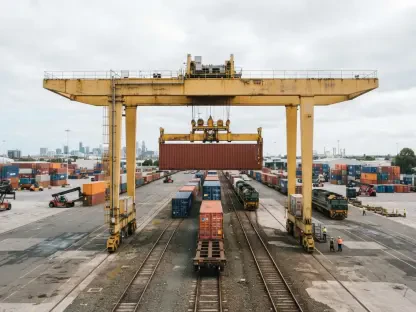

The invisible infrastructure of the European continent depends on hundreds of thousands of heavy-duty truck drivers who sacrifice their domestic stability to ensure that global supply chains remain fluid and responsive. While logistical corridors across the English Channel facilitate billions in trade, the professional landscape for long-haul drivers has historically been defined by isolation and mechanical necessity. In 2026, the industry is witnessing a significant pivot where the focus has moved from purely physical infrastructure toward comprehensive psychological support systems designed to sustain a weary workforce.
Bridging Emotional Gaps Within the Global Logistics Sector
Cross-border freight remains the lifeblood of European commerce, connecting manufacturing hubs with diverse consumer markets. The professional landscape of a long-haul driver is characterized by high stakes and solitary hours, where the demographic often leans toward mid-career individuals balancing enormous road responsibilities with the quiet burden of family separation. Recent evaluations suggest that the industry can no longer rely on basic physical amenities like fuel stops to maintain driver loyalty.
There is a burgeoning recognition that emotional well-being is a fundamental pillar of operational success. This shift has been championed by the European Secure Parking Organization, which has established rigorous standards for healthy working environments. By moving beyond the transactional nature of transport, companies are now looking at how to foster a sense of belonging and mental resilience among those who spend weeks away from their primary support networks.
Transformative Trends and Data Driving Freight Innovations
Digital Personalization and Evolving Driver Welfare Strategies
The integration of storytelling platforms into driver mobile applications represents a leap in digital personalization. These tools allow drivers to transcend the physical boundaries of their truck cabs, engaging with their children through narrated adventures. By using a personalized digital book, a driver transforms from a distant worker into a hero within a story, creating a shared narrative that maintains family bonds despite the physical distance.
Multilingual support is a cornerstone of this strategy, addressing the needs of a diverse, multinational workforce. Offering content in ten different languages ensures that drivers from various cultural backgrounds can participate in these intimate moments. This human-centric approach to logistics is specifically designed to combat employee burnout by providing a sense of purpose and connection that purely financial incentives cannot replicate.
Performance Metrics and Growth of Well-being Initiatives
Early adoption statistics from pilot programs show a profound appetite for these emotional connectivity tools. Over eight hundred drivers registered during the initial rollout, creating hundreds of personalized stories in a matter of months. This high engagement rate suggests that drivers are actively seeking ways to integrate their professional lives with their roles as parents and partners.
Welfare investments are projected to have a direct correlation with driver retention rates over the coming years. By fostering emotional proximity, transport companies are seeing an increase in long-term career satisfaction. When a driver feels that their employer respects their family obligations, the likelihood of turnover decreases, stabilizing the workforce and ensuring the continued efficiency of the supply chain.
Navigating the Human and Structural Challenges of Long-Haul Transport
The emotional toll of missing approximately two hundred fifty bedtimes annually is a staggering statistic that highlights the human cost of logistics. For many parents, the inability to participate in nightly routines is a source of significant guilt and stress. This absence is particularly felt by children, who may struggle to understand the necessity of their parent being away for weeks at a time.
Overcoming the physical limitations of mobile communication during transit requires more than just better cellular service. It requires tools that allow for asynchronous connection, where a driver can record a story during a rest period that a child can listen to later. This bridge between demanding delivery schedules and family obligations is essential for maintaining the mental health of the driver and the stability of the home environment.
Standards and Regulatory Frameworks for Employee Care
The impact of the European Well-being Initiative on industry practices has been substantial, pushing for a more holistic view of driver care. This initiative operates under a campaign that emphasizes the necessity of safety and health in all aspects of work life. By aligning with these frameworks, companies are moving toward a standardized approach to welfare that includes both mental health resources and physical comfort.
Compliance with international labor standards and driver rest requirements is being viewed through a new lens. It is no longer enough to simply ensure that a driver is not behind the wheel for too many hours. The quality of the rest and the ability to reconnect with home are becoming key metrics of compliance. Gold-certified facilities now serve as benchmarks, offering environments that provide for the driver’s physical and emotional needs.
The Future of Logistics and the Sustainable Workforce
Anticipating the role of state-of-the-art hubs is central to improving work-life balance for the modern driver. These facilities are being designed with a focus on holistic health, featuring green spaces, gymnasiums, and communal areas that encourage social interaction. By creating an environment that feels less like a temporary stop and more like a community, the industry can improve the overall quality of life for its employees.
Inclusive infrastructure is also playing a critical role in attracting a more diverse workforce, including female and younger drivers. Dedicated spaces and safety protocols tailored to women are helping to break down historical barriers in the transport sector. As emotional connectivity tools evolve with emerging technologies like augmented reality, the potential for even deeper family engagement will continue to grow, making the profession more attractive to a new generation.
Final Perspectives on Humanizing the International Supply Chain
The industry recognized that the synergy between digital storytelling and logistical efficiency was more than a novelty; it was a strategic necessity. Leaders determined that treating drivers as multifaceted individuals rather than mere operators provided the most sustainable path forward. By prioritizing holistic wellness, the sector established a blueprint for growth that valued human connection as much as the delivery schedule. This shift underscored a final recommendation to integrate social innovation into the core of every supply chain strategy. This movement toward a more compassionate model proved that the long-term viability of the freight sector depended on the strength of the bonds between drivers and their families. Transport companies that adopted these values found themselves better positioned to navigate labor shortages and operational hurdles. Ultimately, the focus on emotional health transformed the perception of the logistics career, ensuring a more stable and dedicated workforce for the future.