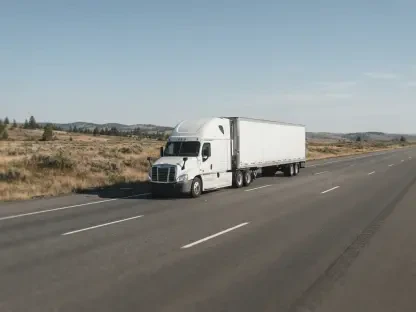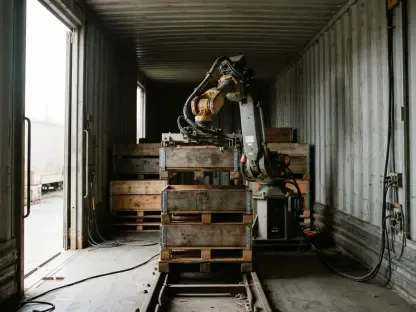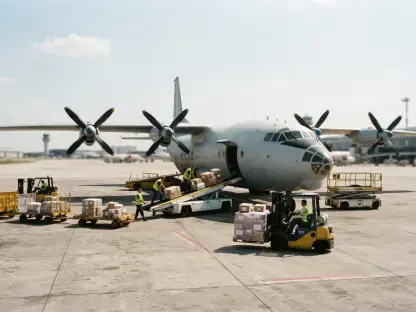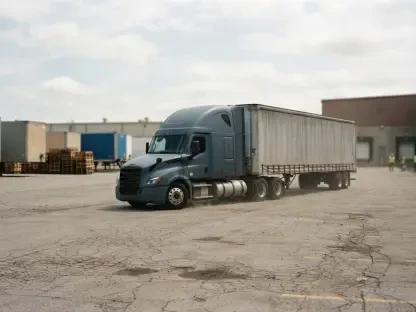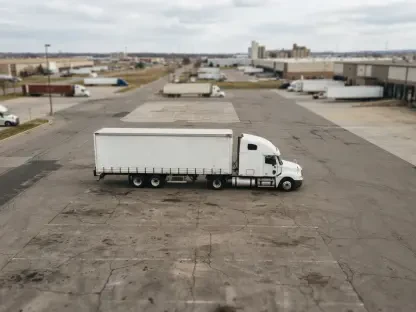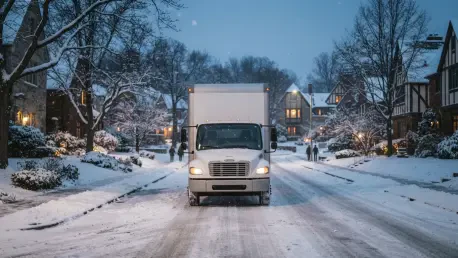

The surge in holiday e-commerce leads to a dangerous influx of heavy freight trucks and delivery vans navigating narrow residential streets. As consumers increasingly rely on doorstep convenience, the physical infrastructure of suburban neighborhoods often struggles to accommodate massive Class 8 trucks and high-roof delivery vans. This seasonal congestion creates a volatile mix of tight deadlines, distracted pedestrians, and heavy machinery, making the last mile of delivery the most perilous segment of the supply chain. While the demand for lightning-fast shipping shows no signs of slowing down in 2026, the corresponding rise in traffic accidents necessitates a deeper look at how motorists and corporations interact during this high-pressure window. The complexity of modern logistics means that every package represents a series of potential roadway risks. Consequently, establishing a culture of mutual awareness between professional drivers and the general public is no longer just a courtesy; it is a critical necessity for preserving public safety.
Navigating the Physical Hazards of Delivery Vehicles
Identifying and Avoiding Commercial No-Zones
Commercial vehicles possess significant “no-zones,” which are expansive blind spots where passenger cars effectively disappear from a driver’s view. These areas are located directly behind the trailer, alongside the cab, and even immediately in front of the hood. For a driver operating a standard delivery van or a larger freight truck, these blind spots are much larger than those found in a sedan or SUV. When a motorist lingers in these zones, they are essentially invisible, which becomes particularly dangerous when a truck driver needs to make a sudden lane change or a right-hand turn. High-tech sensor systems like side-guard radar are becoming more common in 2026, but they are not yet universal across every delivery fleet. Therefore, the safest practice for any driver is to assume that if they cannot see the truck driver’s face in their side mirrors, the truck driver cannot see them either. Maintaining visibility is the most fundamental step in preventing side-swipe collisions.
Managing Stopping Distances in Adverse Conditions
A fully loaded delivery truck can weigh ten to twenty times more than a standard passenger car, a factor that profoundly alters its braking capabilities. Physics dictates that a greater mass requires a significantly longer distance to come to a complete stop, a reality that many drivers fail to account for when merging in front of freight vehicles. In the high-stakes environment of holiday shipping, where trucks are often packed to maximum capacity, this stopping distance can extend nearly the length of a football field at highway speeds. Sudden braking by a lead vehicle forces the truck driver to make an impossible choice between a rear-end collision or a dangerous swerve. In 2026, many fleets have integrated autonomous emergency braking systems to assist, but even the most advanced technology cannot overcome the fundamental laws of motion. Maintaining a minimum following distance of four seconds provides the necessary buffer for both parties to react safely to any road hazard.
Implementing Systemic Solutions for Roadway Safety
Mitigating the Impact of Driver Fatigue
The intense pressure of holiday delivery schedules often pushes drivers to their physical limits, leading to dangerous levels of fatigue. While federal regulations govern the hours of service for commercial operators, the “gig economy” aspect of local delivery can sometimes bypass these safeguards through independent contractor models. Fatigued drivers suffer from slower reaction times and impaired judgment, which are exacerbated by the early sunset and reduced visibility of the winter months. To combat this, some logistics firms in 2026 are deploying biometric monitoring systems that detect signs of drowsiness, such as microsleeps or erratic steering patterns. However, the most effective solution remains a realistic adjustment of delivery expectations. When corporate algorithms prioritize speed over safety, the risk of a tragedy increases exponentially. Ensuring that drivers have adequate rest breaks and manageable route densities is a systemic responsibility that protects both the worker and the public.
Leveraging Technology and Legal Accountability
Lawmakers and industry leaders have taken significant steps to ensure that doorstep delivery does not come at the cost of human life. Many municipalities have implemented stricter “clear zone” regulations for delivery parking and incentivized the use of smaller, more agile electric cargo bikes for the final block of transit in dense urban areas. For individuals, the most effective takeaway is the commitment to maintaining space and patience, specifically by allowing an extra ten feet of clearance when passing or following heavy trucks. Legal frameworks have also evolved to ensure that when accidents occur, the burden of proof accounts for corporate scheduling pressures rather than placing sole blame on the driver. Through these integrated efforts, the holiday rush is managed with a renewed focus on mutual respect and technological precision. These actions establish a sustainable model for seasonal logistics, ensuring that the road remains a shared space where safety and efficiency finally reach a functional equilibrium.