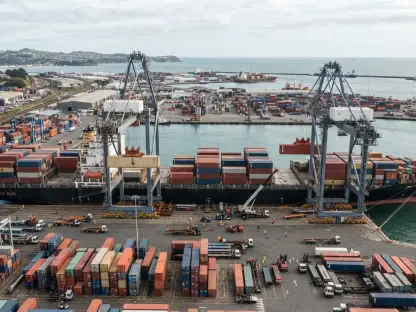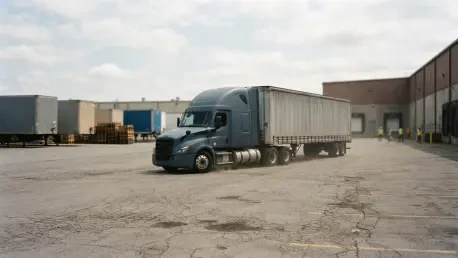

The relentless rumble of diesel engines that has defined the North American logistics landscape for decades is finally facing a formidable challenger as renewable natural gas moves from the fringes to the center of heavy-duty freight strategy. By 2026, the urgency to decarbonize the supply chain has shifted from a corporate social responsibility talking point to a core operational necessity. Major players like Paper Transport and Graphic Packaging International are integrating high-performance vehicles into their daily rotations, proving that alternative fuels are no longer experimental. This shift is primarily facilitated by the Cummins X15N engine, which offers the torque required for heavy loads while utilizing fuels derived from organic waste.
Navigating the Transition in the Heavy-Duty Freight Industry
Paper Transport recently operationalized a fleet of RNG-powered trucks to run dedicated routes between manufacturing hubs like Chicago and Kalamazoo. By utilizing advanced engine technology, these carriers have finally bridged the performance gap that previously made natural gas a secondary choice for heavy-duty applications. The transition is supported by a mature ecosystem where fuel providers like Clean Energy expand networks to keep pace with vehicle rollouts.
Regulatory frameworks are further forcing logistics companies to rethink fuel strategies as states implement stricter emissions standards. In contrast to earlier iterations, the current generation of gas engines addresses both nitrogen oxide reductions and carbon neutrality. This reliability allows companies to maintain service standards while meeting aggressive decarbonization targets.
Analyzing the Rise of Renewable Natural Gas in Logistics
Key Trends Shaping Sustainable Freight Operations
One of the primary drivers for this transition is the focus on Scope 3 emission reductions among global corporations. Switching to RNG offers an immediate improvement since methane capture technology allows dairy farms and landfills to turn waste into high-value fuel. This process prevents potent greenhouse gases from entering the atmosphere at the source, resulting in a cleaner energy lifecycle.
Carrier-shipper partnerships have emerged as the most effective model for large-scale deployment. By committing to dedicated freight routes, shippers provide the volume certainty carriers need to justify the initial cost of specialized equipment. These loops serve as the ideal proving ground, demonstrating that gas trucks can maintain the same rigorous schedules as their diesel counterparts.
Market Growth Projections and Performance Indicators
From 2026 to 2030, the adoption rate for heavy-duty natural gas engines is projected to climb as diesel prices remain volatile. Current data reveals a narrative of success, with some carriers surpassing the 87-million-mile mark in natural gas operations. This historical performance provides the empirical evidence needed to convince fleet managers that gas engines can withstand long-haul rigors.
Economic indicators further support this shift, as RNG prices are often decoupled from global petroleum instability. As domestic production increases, the price advantage over traditional diesel is expected to widen, accelerating the retirement of older combustion platforms. This stability allows for better long-term budgeting and financial security in a competitive logistics market.
Overcoming Technical and Infrastructure Obstacles
Despite clear benefits, the transition faces hurdles regarding initial capital expenditure and fueling infrastructure. An RNG-powered truck commands a premium over standard diesel models, though many organizations find that the total cost of ownership over a multi-year period favors natural gas. Financing models and government grants are becoming more accessible to help bridge this financial gap for fleets of all sizes.
Furthermore, developers are focusing on key logistics corridors to ensure high-capacity filling stations can support transcontinental routes. Strategic route planning and improved tank technology are effectively mitigating range anxiety for long-haul drivers. Specialized mechanical training for technicians also ensures that vehicle uptime remains comparable to traditional diesel fleets.
The Regulatory Landscape and Compliance Standards
The regulatory landscape is increasingly tilted in favor of low-carbon alternatives through federal incentives like the Low Carbon Fuel Standard. These programs provide financial credits that essentially subsidize the transition to cleaner fuels. Compliance is no longer just about avoiding fines; it is about maintaining a competitive edge in a market where shippers prioritize green supply chains.
Safety protocols for high-pressure storage have also reached new levels of sophistication, with specialized dispensing systems ensuring safe handling. Corporate sustainability reporting now requires precise data on fuel consumption and emission reductions, which RNG systems are uniquely suited to provide. This transparency helps companies validate their environmental claims to stakeholders and consumers.
The Future of Heavy-Duty Freight and Emerging Tech
While RNG is a powerful solution today, it is often viewed as a vital bridge toward future technologies like hydrogen fuel cells and electric propulsion. Innovations in engine efficiency continue to push boundaries, offering ultra-low NOx profiles that nearly eliminate the local air quality impact of freight. Consumer preferences are also shifting toward brands that demonstrate stewardship, making green freight a valuable marketing asset.
As global economic shifts influence petroleum prices, domestic RNG production provides energy security that is highly attractive to national economies. This focus ensures that the fuel supply is less susceptible to international conflict and supply chain disruptions. The evolution of engine technology will likely lead to even greater efficiency gains in the coming years.
Evaluating the Long-Term Viability of RNG vs Diesel
The industry observed that operational parity between the Cummins X15N and diesel engines was finally achieved, removing the primary barrier to adoption. Fleet managers recognized that RNG served as a successful hedge against market unpredictability. Successful transitions depended heavily on the strength of partnerships between carriers and fuel providers. These collaborations ensured expertise was shared, facilitating smoother transitions to cleaner operations.
Moving forward, fleets prioritized specialized mechanical training to handle gas engine nuances. Decision-makers focused on high-frequency routes where infrastructure was already established to maximize immediate returns. The transition taught the industry that wait-and-see approaches were no longer viable as regulatory deadlines loomed. By embracing RNG, companies secured their place in a decarbonized future while insulating operations from petroleum price spikes.