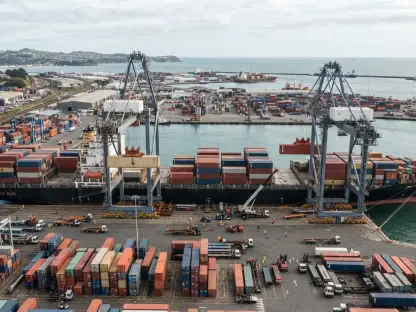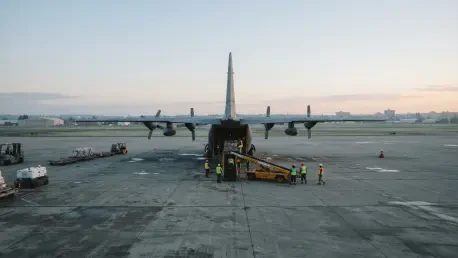

Capacity reductions on European routes to North America have pushed spot rates to two dollars and thirty-one cents, yet this shift stems from scheduled flight changes rather than peak demand. Throughout the month of October, global air cargo demand increased by six percent year-over-year, marking a seventh consecutive month of steady growth. Despite these positive figures, the logistics industry is grappling with a peculiar phenomenon: the total absence of a traditional fourth-quarter volume spike. Market experts have observed that the sector currently lacks the intense capacity pressures, extreme rate hikes, or sudden surges in charter prices that typically characterize this time of year. Instead of an explosive peak, the market is maintaining a measured pace that appears to be the new baseline for global trade. Hopes for a significant surge before the end of the year are rapidly fading as shippers and carriers adjust to an environment defined by consistency rather than volatility. This shift suggests that the historical cycles of the air freight industry may be undergoing a fundamental transformation.
Regional Rate Trends and Capacity Management
Assessing Market Dynamics: The Transatlantic Lane
Air freight rates are currently being influenced more by technical capacity adjustments than by a raw surge in consumer demand. On the transatlantic lane, the ten percent month-over-month increase in rates from Europe to North America was primarily triggered by the implementation of winter flight schedules. These scheduled changes effectively removed belly-hold capacity from the market as passenger airlines reduced their frequency on seasonal routes. Consequently, carrier quotes rose during recent tender processes, but this was a structural response rather than a reflection of heightened buying activity. The global dynamic load factor, which measures volume and weight relative to available capacity, remains at sixty-three percent. While this is a two-percentage-point increase from the previous year, it indicates a market that is well-supplied and functioning without the strain usually seen in a peak season. Shippers have found that securing space is manageable if they navigate these seasonal airline schedule shifts with precision.
Transpacific Corridors: High-Tech Logistics Drivers
In contrast, the transpacific corridor is experiencing a different set of drivers rooted in specific technological advancements. Chargeable weight from the Asia-Pacific region to North America rose by fifteen percent year-over-year, a trend fueled almost entirely by the rapid expansion of artificial intelligence technology and its associated hardware requirements. This specialized demand has kept spot rates from Southeast Asia and Northeast Asia to North America at elevated levels, reaching six dollars and thirty-four cents and six dollars and twenty-one cents respectively. Despite these high numbers, the market has not seen the uncontained price spiral that usually defines a true peak season. The presence of steady, high-value tech shipments provides a floor for rates but does not necessarily create the broad-based congestion that forces all shippers into emergency chartering. This stability allows for better logistical planning, even as specific sectors like high-tech manufacturing continue to dominate the available capacity on long-haul routes.
Strategic Evolution in Cargo Contracting
Contractual Shifts: The New Tender Cycle
Looking ahead to 2027, the consensus among industry stakeholders points toward an eventual decline in air freight rates, a sentiment that is fundamentally altering how shippers and forwarders interact. Many organizations are now bypassing traditional fourth-quarter negotiations, opting instead to initiate tender processes that will conclude in the first or second quarter of 2027. This strategic delay is a direct response to the current market volatility and the difficulty of pricing long-term agreements. Offering twelve-month deals in the present environment requires forwarders to factor in significant uncertainty, often leading to uncompetitive pricing that shippers are unwilling to accept. By pushing negotiations into the new year, companies hope to capitalize on a more stable rate environment. This shift marks a departure from the historical reliance on annual contracts signed during the year-end peak, as businesses prioritize flexibility and market-aligned pricing over the traditional security of long-term fixed-rate commitments.
Market Resilience: Navigating Permanent Disruption
The industry recognizes that market disruptions once labeled as unique events have become a standard component of the logistics landscape. Geopolitical instability and sudden shifts in the balance between supply and demand have established a state of permanent unpredictability that requires new operational frameworks. Stakeholders have moved toward more agile strategies, favoring short-term adjustments over rigid long-term planning to navigate these frequent market shifts. Logistics managers have prioritized the diversification of routing options and invested in real-time data analytics to anticipate capacity constraints before they impact the bottom line. It has been determined that the most effective path forward involves maintaining a high degree of transparency between carriers and shippers to mitigate the risks associated with sudden rate fluctuations. These proactive measures allow firms to sustain service levels even when traditional seasonal patterns fail to materialize. The transition to a more resilient model ensures that the absence of a peak season does not translate into a loss of operational efficiency.