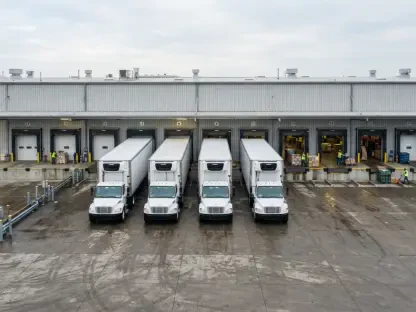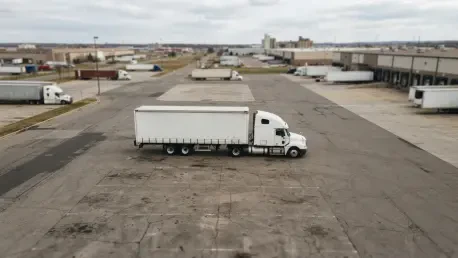

Security professionals emphasize that the most dangerous moment for a shipment is when a carrier claims a truck is available immediately but promises paperwork later. This scenario marks the start of a sophisticated fraud where criminals exploit the industry’s demand for speed. Traditionally, cargo theft involved physical attacks like cutting trailer curtains, but today’s threats are increasingly digital. Organized crime groups now use “apparently legitimate” transportation processes to infiltrate supply chains, making it difficult for freight forwarders to distinguish between valid carriers and bad actors. By posing as reputable companies, these fraudsters secure high-value loads and disappear before any alarms are raised. This shift from physical force to digital manipulation represents a fundamental change in risk management, requiring an approach that prioritizes data integrity and identity verification over traditional locks and seals.
The Psychology and Tactics of Modern Cargo Fraud
Exploiting Operational Pressure and Human Vulnerability
The primary weapon used by modern digital fraudsters is not advanced code, but the intense time pressure inherent in “just-in-time” delivery models. Criminals create artificial urgency, offering immediate truck availability to push dispatchers into bypassing verification steps. When a dispatcher is desperate to fulfill a client’s request, they are statistically more likely to overlook red flags, such as missing documentation or unverified contact details. This psychological manipulation turns the industry’s need for speed into its greatest vulnerability. Fraudsters often target dispatchers late in the afternoon, knowing that the desire to clear the desk leads to a lapse in judgment. By presenting themselves as a convenient solution to a logistical problem, these bad actors effectively weaponize the operational stress of the freight environment, leading to a breakdown in standard safety protocols that would otherwise prevent the total loss of valuable shipments.
Beyond initial contact, these social engineering schemes build a false sense of trust through professional communication. Criminals use industry jargon and mimic the behavior of established carriers to ensure the broker feels comfortable. Once the load is secured, the fraudster maintains a facade of compliance, providing fake status updates while the cargo is actually diverted to an unauthorized location. This calculated grooming process means that the theft is often not discovered until days later, giving the criminals ample time to move and sell the stolen goods. To counter this, logistics firms must implement training programs that focus on recognizing these psychological triggers. Empowering employees to slow down and prioritize verification, even in high-pressure situations, is the most effective defense against a criminal strategy that relies on the human element and the erosion of operational discipline. Maintaining a culture of caution is vital for long-term safety.
Identifying Red Flags and Redirect Scams
A growing concern in the current landscape is the redirection scam, where criminals hijack a shipment already in transit. By impersonating warehouse managers or dispatchers, fraudsters contact drivers to claim the original destination is unavailable, directing them to a fraudulent off-loading site. Any deviation from the original plan must be treated as a high-level security breach, as these incidents often lead to a total loss of goods. Drivers, eager to be helpful and maintain their schedules, may not immediately question a change in instructions if it is delivered with authority. However, these “off-dock” deliveries are a classic hallmark of organized cargo theft. To mitigate this risk, companies are requiring drivers to confirm any route changes through a secondary, pre-verified communication channel. This extra layer of verification ensures that even if a criminal successfully impersonates a manager, they cannot complete the theft without bypassing a multi-step check.
Recognizing the red flags associated with digital fraud is essential for preventing the initial handover of cargo to bad actors. Typical warning signs include carriers who refuse to provide a physical office address or those who use generic email services rather than professional domains. Furthermore, any instance where a carrier demands immediate payment or uses a bank account that does not match the company name should be viewed with extreme suspicion. Security protocols now emphasize the importance of cross-referencing all provided data with independent industry databases. If the contact information on a carrier’s profile has been recently changed or if the company has a sudden gap in its history, these are significant indicators of a potential identity takeover. By maintaining a disciplined approach to vetting and refusing to be rushed, freight forwarders can screen out most fraudulent attempts before the shipment leaves the dock, preserving the supply chain.
Technological Advancements Fueling Logistics Crimes
Generative AI and the Rise of Document Forgery
The emergence of generative artificial intelligence has lowered the barrier to entry for sophisticated documentation fraud within the supply chain. In the past, creating fake transportation licenses or insurance policies required specialized design skills, but AI tools now allow criminals to generate professional documents in seconds. Because visual professionalism is no longer a reliable indicator of authenticity, companies must move toward proactive verification methods. Validating credentials now requires direct communication with authorities rather than simply trusting a digital file. Fraudsters can replicate complex layouts and regulatory stamps with such precision that traditional visual checks are rendered obsolete. This technological leap has forced providers to reconsider their administrative workflows, as the ease of producing fraudulent paperwork has led to a significant increase in identity theft cases. Relying on visual intuition is a liability in a world of AI-generated content.
Criminals are moving beyond document forgery toward the more insidious tactic of communication hijacking, where they gain access to legitimate business email accounts. By infiltrating the email threads used by brokers and carriers, bad actors monitor shipment details and insert themselves into the dialogue at the most opportune moment. This allows them to change delivery instructions or bank details while appearing to be a trusted partner. This level of deception makes the security of digital communication channels as vital as the physical locks on a trailer. Maintaining strict digital hygiene, such as using multi-factor authentication, is now a non-negotiable requirement for logistics safety. Companies must assume that any digital interaction could be compromised and implement protocols that require verbal confirmation for all sensitive changes. This dual-track approach ensures that even if a criminal gains access to a network, they are blocked by procedural safeguards.
Building Resilience Through Enhanced Digital Verification
The logistics industry responded to the surge in digital fraud by adopting a multi-layered defense strategy that combined technological solutions with rigorous behavioral standards. Freight forwarders moved away from visual document inspections and began using real-time API integrations to verify carrier credentials directly with regulatory databases. Security protocols were updated to require two-factor authentication for all change-of-destination requests, neutralizing the threat of redirect scams. Companies that prioritized digital hygiene and employee training saw a significant reduction in identity theft attempts, as their staff became adept at spotting the cues used by fraudsters. Furthermore, the industry embraced greater transparency, sharing incident data across platforms to help others block emerging criminal tactics. These proactive steps ensured that the supply chain remained secure. By focusing on verification and data integrity, the transportation sector successfully navigated the transition toward a more resilient future.