
Modern logistics operations are moving beyond simple automation to create a collaborative environment where humans and robots work in tandem. This shift represents a fundamental change in how global supply chains function, moving away from static conveyor belts toward dynamic, self-adjusting ecosystems. DHL Supply Chain is currently leading this transformation through its “Intelligent Supply Chain” initiative, which leverages sophisticated AI orchestration software to harmonize complex warehouse activities. Rather than treating robots as standalone tools, this framework integrates them into a cohesive digital architecture that monitors every movement in real time.
The goal is to eliminate the inefficiencies of traditional silos where machines and humans operated independently of one another. By utilizing advanced algorithms, the system can predict bottlenecks before they happen, allowing the entire facility to pivot based on immediate demand. This level of responsiveness ensures that logistics remains fluid even during peak seasons, providing a new standard for the industry. By focusing on the holistic coordination of entire warehouse workflows, the company has successfully moved past the limitations of rigid, predefined programming to embrace a more resilient and flexible operational model.
Evolution of Robotic Systems in Warehousing
Implementing Autonomous Picking Systems
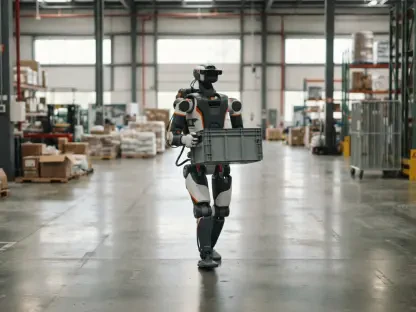
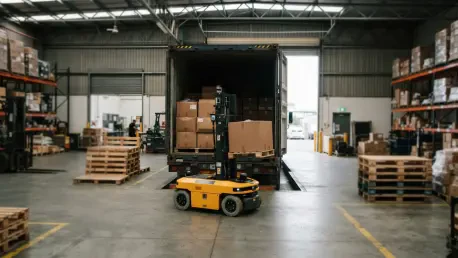
The deployment of physical AI marks a significant departure from the era of fixed-path machinery. Adaptive robots, such as the Stretch unloader, are now essential components of modern warehouse floors. These machines do not rely on a predetermined sequence of coordinates; instead, they utilize advanced computer vision and tactile sensors to interpret their surroundings and manipulate packages of varying sizes and weights. When a container arrives at a dock, these autonomous systems can identify the optimal way to unload items without human intervention, even if the cargo has shifted during transit. This capability is crucial for maintaining throughput in high-volume environments where manual labor is physically demanding.
Furthermore, these robots are designed to learn from each interaction, continuously refining their grip and movement patterns to improve efficiency. This adaptive behavior allows for a seamless transition between different product types without requiring lengthy recalibration periods or system downtime. By implementing these technologies, facilities have seen a measurable reduction in sorting errors and a significant increase in the speed of inbound processing. The integration of such machinery ensures that the physical movement of goods is as intelligent and data-driven as the software managing the orders, creating a truly unified logistics environment.
Strategic Insights for Scalable Deployment
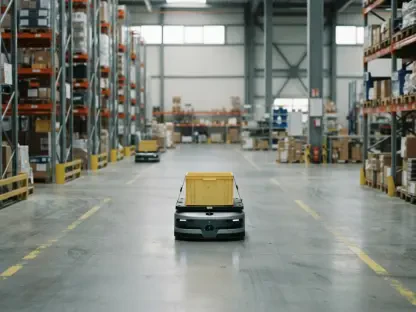
Complementing the physical hardware is a layer of digital AI that acts as the brain of the operation. This orchestration software serves as a bridge between the warehouse management system and the mobile robots navigating the aisles. It processes vast streams of data to make high-level decisions regarding resource allocation and task prioritization. For instance, if a specific zone experiences a sudden surge in orders, the software can automatically reroute a fleet of autonomous mobile robots to support human pickers in that area. This digital oversight ensures that machinery is never idle and that workers are focused on the most critical tasks.
Industry leaders observed that the successful adoption of these technologies relied heavily on creating a unified digital infrastructure. During the current year, the implementation of over 500 AI solutions across 95 percent of facilities provided a clear roadmap for achieving excellence. It was discovered that prioritizing modular software allowed for faster scaling without the need for custom coding at every individual warehouse. For organizations looking to mirror this success, the focus shifted toward investing in interoperability between different robotic platforms to prevent vendor lock-in. Establishing clear standards for data quality ensured that AI initiatives remained scalable and secure for the long term.