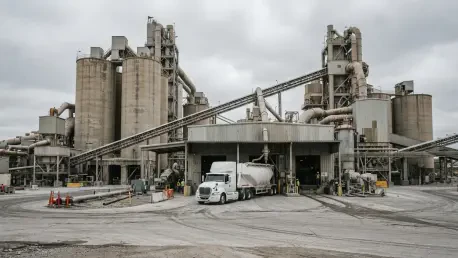

The global industrial sector is undergoing a profound transformation where the race toward net-zero emissions has shifted from a theoretical goal to a demanding operational reality for large-scale manufacturers. At the heart of this shift is Ambuja Cements, which recently deployed a fleet of heavy-duty electric trucks at its Sanghi plant to revolutionize its logistics network. While industrial giants pivot toward sustainability, the financial landscape is simultaneously being reshaped by regulatory oversight designed to protect retail investors from the inherent dangers of speculative trading. This duality of progress creates a complex environment where corporate responsibility and market transparency must coexist to ensure long-term stability for stakeholders. The integration of zero-emission transportation highlights a significant milestone in reducing the carbon footprint of an energy-intensive industry, setting a new benchmark for peers. These efforts reflect a commitment to modernization while regulators focus on literacy to curb mounting retail losses.
Industrial Advancement and Carbon Reduction
Strategic Deployment: Electric Logistics
The deployment of heavy-duty electric trucks at the Sanghi facility represents more than just a technological upgrade; it is a fundamental shift in how heavy industry approaches the logistics of raw material transport. By replacing traditional internal combustion engines with high-capacity electric drivetrains, the company is directly tackling the Scope 3 emissions that often plague the manufacturing sector. These electric vehicles are designed to handle the grueling demands of cement production, carrying massive loads across complex terrains without the traditional reliance on diesel fuel. This transition is not merely about environmental optics but is driven by the necessity to future-proof operations against rising fuel costs and tightening carbon regulations. As the fleet expands from 2026 to 2028, the data gathered will serve as a blueprint for scaling green logistics across other industrial hubs. This proactive stance on decarbonization signals that the path to profitability now passes through sustainable technology.
Economic Advantages: Efficiency and Cost
Beyond the immediate reduction in greenhouse gas emissions, the move toward an electrified transportation fleet offers compelling economic advantages that redefine operational efficiency. Electric trucks significantly lower maintenance requirements compared to their diesel counterparts, as the lack of complex engine components reduces downtime and repair costs over the vehicle’s lifespan. Furthermore, the ability to utilize renewable energy sources to power these fleets allows for a more predictable cost structure, shielding the company from the volatility of global oil markets. This shift aligns perfectly with the broader corporate strategy of achieving carbon neutrality while simultaneously improving the bottom line through modernized infrastructure. The success of this initiative depends on a robust charging infrastructure and the integration of energy management systems that can optimize power consumption. By prioritizing these investments, leaders are demonstrating that green initiatives are strategic assets for survival.
Regulatory Compliance and Financial Safety
Market Realities: The Risks of Trading
The allure of quick profits in the equity futures and options segment often obscures the statistical reality that nine out of ten individual traders face substantial net losses. Market data reveals a concerning trend where the average retail loss hovers around ₹50,000, a figure that is frequently exacerbated by high transaction costs and brokerage fees. These overhead expenses can add an astonishing 28% to the total loss, making it incredibly difficult for the average participant to achieve sustainable gains over time. Even for those rare individuals who manage to remain profitable, the cost of doing business often consumes between 15% and 50% of their total earnings, highlighting the predatory nature of high-frequency trading environments for the uninitiated. To combat this, the “Samajh Se Investing” initiative emphasizes the importance of using regulated financial products and maintaining a disciplined, long-term perspective. Understanding these risks is crucial for anyone looking to navigate the modern market safely.
Forward Strategy: Protecting Investor Interests
In the final analysis of these shifts, the industrial and financial sectors demonstrated a clear move toward higher standards of accountability as corporate and regulatory goals converged. Ambuja Cements successfully pioneered the use of heavy-duty electric trucks, proving that even the most carbon-intensive industries could find a viable path toward green operations. Simultaneously, market regulators reinforced the necessity of informed participation by highlighting the dangers of speculative trading and enforcing stricter transparency protocols. These developments provided a clear roadmap where success was measured by the resilience of the underlying systems. For corporations, the next logical step involved the further integration of renewable energy into all facets of production and logistics. For individual investors, the focus shifted toward asset diversification and the utilization of regulated, long-term investment vehicles to bypass the pitfalls of derivative volatility. This balanced approach ensured that growth and stewardship remained priorities.