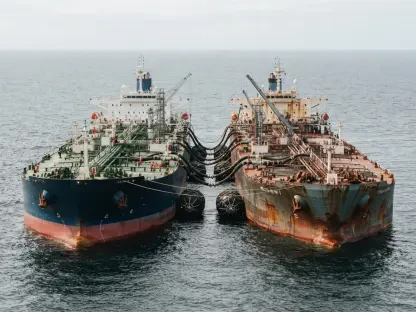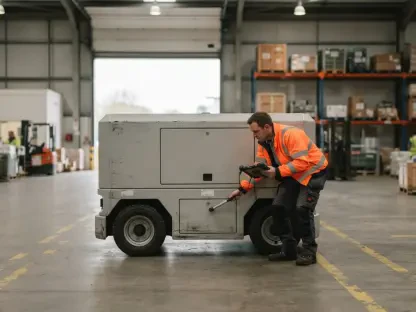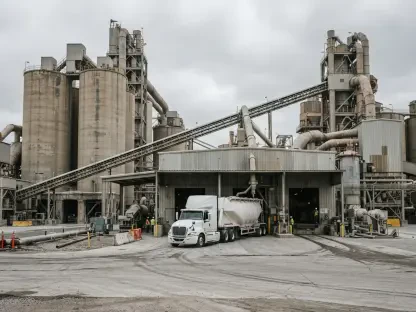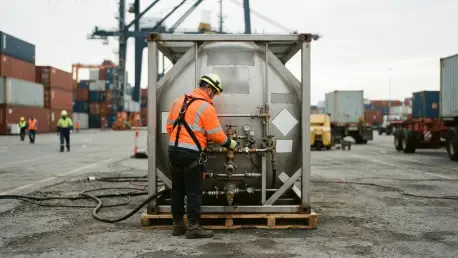

The transportation of fiber-reinforced plastic tanks and their associated service equipment will remain restricted to single port areas or contiguous harbors under the latest PHMSA guidelines. This announcement comes as part of a significant regulatory proposal, designated as HM-215S, which the Pipeline and Hazardous Materials Safety Administration released in October 2026. The primary objective of this initiative is to harmonize United States domestic hazardous materials regulations with evolving international standards, ensuring a more seamless flow of trade while simultaneously heightening safety benchmarks. By targeting specific technical requirements for portable tanks, the agency intends to eliminate long-standing ambiguities that have complicated the transport of refrigerated gases and composite materials across maritime and domestic interfaces. This strategic shift highlights a proactive commitment to risk management, as the agency addresses the unique challenges posed by modern materials and specialized pressurized vessels in a globalized supply chain.
As the industry navigates these updates, the focus remains on two critical technical arenas: the shutoff configurations for cryogenic tanks and the operational limitations of advanced composite equipment. PHMSA has recognized that the current regulatory landscape requires more precise definitions to prevent safety gaps, particularly during the critical phases of loading, precooling, and pressure management. By aligning domestic rules with international maritime codes, the proposal serves as a bridge that allows American manufacturers and carriers to operate under a more unified safety framework. This evolution is not merely a bureaucratic adjustment but a necessary response to the increasing complexity of hazardous materials transport, where consistency in equipment standards directly translates to reduced incident rates and improved operational efficiency for stakeholders across the maritime and logistics sectors.
Modernizing Shutoff Standards for Cryogenic Vessels
The HM-215S proposal introduces pivotal amendments to 49 CFR 178.277(d)(1), which governs the service equipment used on portable tanks carrying flammable refrigerated liquefied gases. Currently, regulations mandate that filling and discharge openings on these tanks must be equipped with three mutually independent shutoff devices arranged in a series. This typically includes an internal or external stop valve located near the tank jacket, a secondary stop valve, and a final closure such as a blank flange. The new proposal explicitly expands this mandate to include vapor-phase openings used for vapor recovery. Historically, there has been significant technical ambiguity regarding whether vapor-recovery lines required the same rigorous protection as traditional liquid lines. By removing this uncertainty, PHMSA ensures that all apertures on a cryogenic tank are held to the same safety standard, reflecting the reality that vapor lines are active and under pressure during many of the most sensitive parts of the transportation cycle.
Furthermore, the proposed rule sets strict performance criteria for the primary shutoff devices used in these systems. The valve located closest to the tank jacket must be designed to be self-closing and capable of shutting off within 30 seconds of being actuated. To ensure maximum safety during an emergency, this actuation must be possible from a remote and accessible location on the tank, and the system must also trigger automatically if the temperature reaches or exceeds 121 degrees Celsius. This thermal trigger is essential for preventing catastrophic failures in the event of a fire, providing a critical fail-safe that operates independently of human intervention. By standardizing these requirements across both liquid and vapor lines, the agency creates a comprehensive safety envelope for the entire vessel, mitigating the risks associated with leaks or pressure surges during the transportation of high-risk flammable gases.
Managing Composite Materials within Port Boundaries
A second major component of the HM-215S proposal addresses the use of fiber-reinforced plastic, commonly known as FRP, in the construction of portable tanks and their associated service equipment. While international standards for composite materials have advanced significantly, the agency maintains a cautious approach regarding their widespread adoption on domestic highways. Under the existing framework of 49 CFR 171.25(c)(5), FRP tanks are restricted to transportation within a single port area or contiguous harbor. The proposal seeks to modify this language to specifically include “service equipment,” ensuring that FRP-based valves, piping, and essential components are subject to the same geographic limitations as the tanks themselves. This ensures that composite equipment used in international maritime trade can move efficiently through U.S. ports without prematurely entering the domestic inland transportation network.
The decision to maintain these geographic restrictions is rooted in the need for further research into the long-term durability of composite materials under domestic operating conditions. PHMSA has identified several areas where more data is required, including the performance of FRP components under significant material fatigue and their resistance to high-impact events. Additionally, the effectiveness of pool-fire tests and the development of reliable nondestructive testing methods for composites remain top priorities for regulatory researchers. By limiting these tanks and their equipment to port environments, the agency facilitates international commerce under the International Maritime Dangerous Goods Code while upholding a conservative safety posture. This approach allows the industry to gain valuable operational experience with FRP technology in controlled environments before any broader domestic rollout is considered for the American highway system.
Achieving Global Harmony in Hazardous Materials Shipping
The HM-215S proposal is a cornerstone of a broader effort to align American safety standards with international expectations, particularly those outlined by the United Nations and maritime authorities. PHMSA emphasizes that clear and consistent definitions are essential for preventing safety gaps that occur when international shipments enter domestic jurisdictions. One of the most significant clarifications in this proposal involves the definition of “discharge openings.” By specifically identifying vapor-recovery openings as high-risk points that require the same triple-closure protection as liquid lines, the agency is addressing operational realities where flammable gases are managed during transit. This alignment helps international shippers navigate U.S. waters and ports without facing conflicting equipment mandates, provided they adhere to the specific restrictions placed on newer technologies like composite materials.
This push for regulatory synergy also fosters a global consensus on the necessity of robust primary shutoff systems. The requirement for thermal and remote actuation for vapor lines mirrors the high standards already in place for liquid circuits, creating a holistic safety regime for the entire pressurized vessel. Such consistency is vital for the global supply chain, as it reduces the complexity of manufacturing tanks that must satisfy multiple regulatory bodies. When safety protocols are unified, it becomes easier for manufacturers to produce equipment that is compliant across different regions, which in turn drives down costs and increases the availability of high-standard containers. PHMSA’s focus on harmonization ensures that the United States remains a leading participant in the global hazardous materials market while maintaining some of the most rigorous safety benchmarks in the world.
Strategic Timelines and Legacy Fleet Management
Recognizing the substantial capital investment required to maintain and operate cryogenic tank fleets, PHMSA has incorporated sensible grandfathering provisions within the HM-215S proposal. A definitive cutoff date of January 1, 2029, has been established for the construction of new tanks that must comply with the expanded vapor-opening shutoff requirements. Equipment manufactured before this date that does not currently feature the triple-closure configuration for vapor circuits will be permitted to remain in service for its natural operational lifespan. This provision is designed to provide economic stability for the industry, allowing companies to transition their fleets over time rather than facing the immediate and often prohibitive burden of retrofitting thousands of existing pressure vessels that are already meeting current safety obligations.
This phased implementation strategy sets a clear high bar for future manufacturing while acknowledging the long-term service cycles typical of the cryogenic transport industry. For fleet managers and tank owners, this emphasizes the importance of meticulous record-keeping. Proving the manufacture date of a vessel will be essential for demonstrating compliance during future inspections and audits. By providing a clear timeline, PHMSA allows the industry to plan its procurement and maintenance cycles with confidence. Companies looking to modernize their fleets now have a specific target to aim for, ensuring that any new equipment ordered between now and 2029 is designed with the highest levels of regulatory viability in mind. This balanced approach protects existing investments while ensuring that the next generation of portable tanks will be significantly safer.
Engineering Adaptations and Operational Readiness
For manufacturers of cryogenic tanks and their specialized components, the HM-215S proposal necessitates an immediate and thorough review of existing engineering blueprints. Future designs for tanks intended to carry flammable refrigerated gases must now integrate the triple-closure system into every vapor-recovery circuit as a standard feature. Engineers are tasked with ensuring that the self-closing valves used in these systems are not only robust enough for long-term service but also sensitive enough to meet the 30-second shutoff and 121-degree Celsius thermal threshold requirements. This shift may require new partnerships with valve manufacturers to source components that are specifically certified for these rigorous performance standards, as the reliability of these devices is central to the agency’s safety objectives.
Beyond the physical hardware, manufacturers and service providers will need to offer enhanced documentation to their clients to facilitate regulatory compliance. This includes providing detailed specifications for all service equipment and explicit certifications of manufacture dates. As the 2029 deadline approaches, market demand is expected to shift heavily toward these fully compliant designs. For maintenance depots and service centers, the new rules mean that technicians must be trained to inspect and repair more complex shutoff systems. Ensuring that the remote actuation and thermal sensors remain functional over years of heavy use is a critical maintenance challenge. By preparing for these changes today, service providers can ensure they are ready to support a fleet that is increasingly defined by high-performance safety technology and sophisticated engineering.
Future Strategies for Industry Stakeholders
The industry recognized the weight of these regulatory changes as companies began auditing their existing inventories to prepare for the 2029 transition. Stakeholders identified a clear need for proactive engagement, particularly in the realm of route planning and equipment procurement. By distinguishing between flammable and non-flammable assets early, operators ensured that their most sensitive shipments remained in compliance with the new vapor-recovery standards. Logistics managers also identified the specific constraints of port-area movements for composite materials, implementing more rigorous dispatching protocols to prevent any unauthorized inland travel of fiber-reinforced plastic equipment. These early steps were vital in maintaining operational continuity while adapting to the higher safety benchmarks established by the agency.
The focus shifted toward a culture of continuous safety improvement, where the new standards for vapor lines and composite materials became the baseline for future growth. Manufacturers and operators alike found that adhering to these rigorous guidelines not only satisfied legal requirements but also enhanced their reputations for safety and reliability in the global market. As the comment period for the proposal concluded, the industry moved forward with a clear understanding of the engineering and logistical hurdles ahead. By prioritizing the functionality of emergency shutoff systems and the careful management of advanced materials, the sector secured a safer future for hazardous materials transport. This transition period allowed for the gradual phasing out of older designs, ensuring that by the time the new rules were fully in effect, the industry was well-positioned to meet the challenges of the late 2020s.