
The successful transit of 181 cartons of specialized cargo through the Khorgos and Yallama border crossings demonstrates the growing viability of the ‘Truck+Air’ model for Eurasian trade. This operation, executed on October 7, 2026, involved a 7.36-ton shipment of luxury candle glass containers traveling from the manufacturing centers of Shanghai to the final destination of Jeddah, Saudi Arabia. By integrating Samarkand International Airport as a secondary gateway, the Uzbekistan-based freight forwarder CargoPoint is fundamentally reshaping how high-value goods move across the continent. This development is particularly timely as traditional maritime corridors and direct air freight lanes face mounting geopolitical and operational pressures. The route leverages the geographic centrality of Uzbekistan to create a resilient alternative to standard shipping lanes. This shift reflects a broader consensus that diversification is no longer optional but a necessity for global supply chains seeking stability.
Implementation: The Mechanics of Multimodal Transit
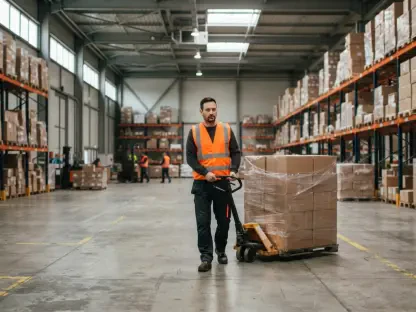
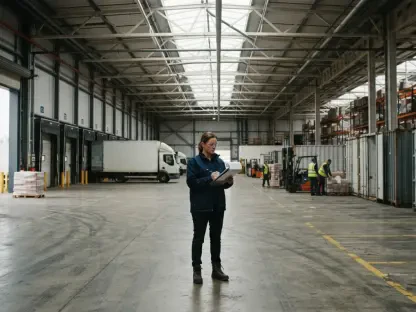
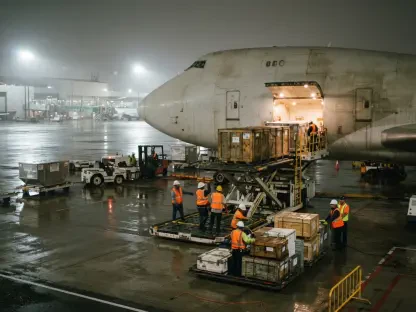
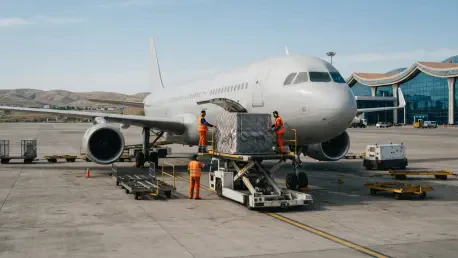
The logistics of this Shanghai-to-Jeddah corridor represent a complex orchestration of cross-border transport designed to maximize efficiency. The process began with long-haul trucking from Chinese manufacturing hubs, moving goods through the Khorgos and Yallama border crossings. These locations are critical bottlenecks in the Eurasian land bridge, requiring sophisticated customs brokerage to navigate effectively. Once the trucks reached Samarkand International Airport, the cargo underwent rapid customs clearance and airport handling before being transferred to the belly hold of scheduled commercial flights. This hybrid approach allows for a level of flexibility that traditional freight models lack. By using road transport for the initial leg, the service can tap into various industrial centers across China, including Shenzhen, Guangzhou, and Beijing, without being tethered to the specific flight schedules of those cities. This ensures a more consistent flow of goods regardless of local airport congestion.
Expanding the network to include Samarkand follows a “Truck+Air” philosophy that has been refined throughout 2026. By utilizing road transport to reach Central Asian hubs, logistics providers can offer a service that is significantly faster than pure rail or sea options while maintaining a lower price point than direct air freight. The integration of Samarkand as a secondary gateway alongside Tashkent and Almaty provides necessary redundancy in the event of regional disruptions. This strategy relies heavily on moving cargo seamlessly across borders, which requires deep integration with local terminal operators. The successful delivery of the inaugural shipment proved that administrative hurdles at the Khorgos crossing could be managed to support a reliable 14-day transit window. This timeframe is increasingly attractive to shippers of high-value glassware who need predictable delivery. Shifting cargo to these hubs acts as a vital pressure valve, ensuring that global commerce continues even when maritime corridors face instability.
Strategic Outlook: Central Asia as a Primary Gateway
The push toward Samarkand is a direct reaction to the uneven growth seen in the global air cargo industry during the current year. While overall global demand showed a healthy increase, specific regional trade lanes have faced significant challenges. Data from the International Air Transport Association indicates that trade volumes between the Middle East and Asia have declined by over ten percent, while Europe-Middle East volumes have seen even sharper drops. These declines are largely attributed to disruptions in the Red Sea, which have forced ships to take longer routes and disrupted traditional logistics patterns. Uzbekistan’s strategic positioning as a “dry port” makes it an ideal candidate for this role. The nation has transitioned from a simple transit zone into a value-added logistics partner that provides essential handling and customs services, effectively filling the gap left by more traditional, but now unreliable, routes. By streamlining border processing and modernizing airport terminals, the region is becoming an essential link in the “Middle Corridor.”
The operationalization of the Samarkand-Jeddah corridor demonstrated that the logistics sector was ready to embrace more complex shipping models. The successful movement of specialized cargo through the “Truck+Air” framework proved that secondary hubs could handle high-value goods with precision. This achievement was contingent on sustained investment in handling infrastructure and the willingness of shippers to move away from traditional routes. The initiative showed that by managing the intricacies of cross-border trucking and scheduled air services, the industry could maintain a reliable flow of goods despite maritime volatility. Moving forward, stakeholders prioritized the integration of advanced digital tracking systems that provided real-time visibility across the entire journey. This transparency was vital for building trust with global shippers who sought data availability in these emerging hubs. By committing to these alternative corridors, companies built more resilient supply chains that were better equipped for future challenges.