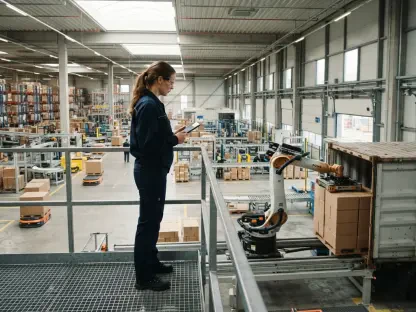

The orchestration of global commerce now relies less on physical infrastructure and more on the invisible threads of data that unite air, sea, and land transport into a single, cohesive movement within the bustling heart of Asian trade. As supply chains face increasing complexity, the traditional silos that once separated maritime shipping from air freight are dissolving in favor of a unified logistics ecosystem. Hong Kong is currently spearheading this shift, utilizing its unique position as a dual international hub to create a digital landscape where cargo moves with unprecedented fluidity.
The move toward this integrated model has been accelerated by recent strategic alliances and technological breakthroughs. By prioritizing digitalization, the region is not only enhancing its operational capacity but also setting a new standard for how modern trade hubs function in a connected world. This evolution reflects a broader commitment to innovation, ensuring that the movement of goods is as efficient as the data systems that track them.
The Transformation of Hong Kong’s Unified Logistics Ecosystem
Hong Kong’s evolution as a dual international maritime center and premier aviation hub reached a critical turning point with the formalization of key industry agreements. The strategic importance of the Memorandum of Understanding signed between government and industry leaders cannot be overstated, as it established a shared vision for a connected future. This document served as the catalyst for integrating diverse transport sectors into a single digital framework, moving away from fragmented operations.
A significant milestone in this journey was Cathay Cargo becoming the inaugural airline to join the Port Community System. This integration bridges the gap between different logistics modes, allowing for a more streamlined approach to freight management. The role of the Transport and Logistics Bureau and the Logistics and Supply Chain MultiTech R&D Center was instrumental in driving this digital transformation, providing the necessary oversight and technological research to support such a massive undertaking.
Key Drivers and Market Dynamics in Multimodal Integration
Digitalization Trends and the Shift to Transparent Supply Chains
The transition from siloed data systems to collaborative, open-access digital environments is reshaping the global logistics landscape. Companies are increasingly demanding end-to-end visibility in global trade, requiring real-time information that follows a shipment from the point of origin to its final destination. This shift toward transparency is driven by the need for greater accountability and the ability to react quickly to disruptions in the supply chain.
Moreover, the impact of smart port development is enhancing regional competitiveness by reducing the time and cost associated with transshipment. By adopting a digital-first approach, logistics providers can offer more reliable services that meet the rigorous demands of modern commerce. This trend is not just about technology but about creating a culture of data sharing that benefits all participants in the ecosystem.
Market Growth and Performance Indicators for Hong Kong Logistics
Analysis of routes through Hong Kong highlights their continued attractiveness for high-value cargo, particularly as digital tools make the process more efficient. The strategic positioning of the Greater Bay Area as a logistics powerhouse provides a stable foundation for this growth, offering a vast network of suppliers and consumers. This regional synergy is a key driver in maintaining Hong Kong’s status as a top-tier destination for international freight.
Projections for increased operational efficiency suggest a positive trajectory through 2027 and beyond. As the digital infrastructure becomes more robust, the capacity for handling complex intermodal shipments is expected to expand. This growth is supported by a steady increase in trade volumes and the ongoing optimization of transport routes, ensuring that the region remains a vital link in the global supply chain.
Navigating Technical and Structural Barriers to Connectivity
Overcoming the historical divide between maritime, terrestrial, and aerial logistics platforms required more than just technical solutions; it required a change in industry mindset. Addressing data fragmentation and the persistent air-land data gap in intermodal transshipment was essential to creating a seamless experience for freight forwarders. This process involved identifying the technical bottlenecks that previously hindered the smooth exchange of information between different modes of transport.
Implementing secure data access controls was another critical step in managing sensitive commercial information across a shared platform. Stakeholders needed assurance that their proprietary data would remain protected while still contributing to the overall efficiency of the system. Coordinating multi-stakeholder buy-in across various government agencies and private technology providers was a complex task, but it was necessary to build a foundation of trust.
The Regulatory Framework and Global Data Standards
The adoption of the IATA ONE Record serves as the universal technical backbone for data exchange in this new ecosystem. By utilizing this global standard, the industry ensures that digital documentation is consistent and recognized across different jurisdictions. This technical alignment is crucial for facilitating international trade and reducing the administrative burden on logistics providers.
Compliance with international aviation and maritime standards further solidifies the role of the Port Community System as a centralized, government-backed infrastructure. Aligning local digital strategies with requirements from the Civil Aviation Administration of China ensures that Hong Kong remains integrated with the logistics network of mainland China. This regulatory harmony creates a predictable environment for businesses, encouraging long-term investment and innovation.
Future Horizons for Digitalized Global Trade
The expansion of ONE Record-compatible data exchange into mainland China is set to open new avenues for trade and collaboration. By 2027, the anticipated integration of additional logistics partners and emerging use cases will further enhance the system’s utility. This forward-looking approach ensures that the infrastructure can adapt to changing market conditions and technological advancements.
There is significant potential for AI and predictive analytics to further enhance exception management, allowing providers to anticipate and resolve issues before they impact the supply chain. Evolving consumer preferences for real-time tracking and sustainable, efficient routing will continue to drive innovation in the sector. These developments point toward a future where logistics is not only faster and more reliable but also more responsive to the needs of a changing world.
Strengthening Hong Kong’s Status as a Global Logistics Leader
The development of a unified digital ecosystem created a more resilient supply chain that was better equipped to handle the demands of global commerce. Freight forwarders and their customers gained a distinct competitive advantage through an integrated view of their operations, which allowed for unprecedented levels of transparency and efficiency. This integrated approach proved that traditional logistics boundaries could be overcome through strategic collaboration and the smart application of technology.
Cathay Cargo’s role in this transformation set a global benchmark for multimodal logistics, demonstrating how an airline could lead the way in digital integration. The success of the project highlighted the importance of government support and the use of global data standards in creating a sustainable transport hub. These efforts reinforced the region’s position as a leader in the industry, providing a clear roadmap for other global trade centers to follow.
Final assessments indicated that investments in high-tech, collaborative transport infrastructure were essential for long-term economic growth. By fostering an environment of innovation, the region ensured it remained at the forefront of the logistics industry. The integration of air, sea, and land systems provided the flexibility and speed required by modern markets, securing a prosperous future for the entire trade network.