
Recent shifts in user behavior show that nearly seventy percent of people prefer interacting with an AI agent if it results in a faster answer regarding their freight status. As the logistics landscape becomes increasingly complex in 2026, the adoption of these intelligent systems has transitioned from a competitive advantage to an operational necessity. Companies are moving beyond basic chatbots to sophisticated voice-activated agents that can handle natural language with high accuracy. This shift is primarily driven by the need to manage massive volumes of data while maintaining a responsive service model for carriers and shippers alike. By leveraging these technologies, logistics providers are effectively eliminating the traditional bottlenecks that have long plagued manual communication channels. The focus remains on building a seamless, data-driven environment where every transaction is logged, every status is updated, and no query remains unanswered, ultimately redefining the standard for efficiency in the global supply chain.
Core Functions of Automated Communication
Automating Routine Tasks
Modern AI voice agents are meticulously engineered to manage the repetitive, high-frequency interactions that traditionally occupied a significant portion of a dispatcher’s daily schedule. These agents are now capable of executing driver check calls, providing precise load status updates, and managing carrier sales inquiries with a level of consistency that human operators often struggle to maintain during peak hours. By offloading these low-leverage tasks to automated systems, logistics firms ensure that their specialized staff can dedicate their energy to resolving unforeseen exceptions and navigating complex logistical hurdles. The immediate nature of these interactions means that carriers no longer have to wait on hold for basic information, which dramatically improves the overall throughput of the brokerage. Furthermore, these systems provide after-hours support, ensuring that the operation remains fully functional and responsive around the clock without the need for additional shift staffing or overhead costs.
The implementation of specialized agents like those from Descartes OpsForce or Vooma illustrates the effectiveness of targeting the “rote and routine” elements of freight management. These platforms use advanced natural language processing to understand the nuances of trucker jargon and regional accents, ensuring that communication is as effective as a human conversation. By focusing on specific workflows such as appointment scheduling or rate verification, these AI tools act as a reliable first line of defense against administrative bloat. When an AI agent handles a standard check call, it can simultaneously verify the driver’s location via GPS integration and cross-reference the estimated time of arrival with the receiver’s schedule. This level of automated multitasking ensures that data is not only collected but also immediately used to keep the entire logistics chain synchronized. As a result, the operational burden on human teams is significantly reduced, allowing for a more streamlined and focused approach to business management.
Integrating Workflows and Systems
To achieve maximum utility, an AI voice agent must be deeply embedded within the existing technological infrastructure of a logistics company, including the Transportation Management System and various telematics platforms. This integration allows the AI to function as an active participant in the workflow rather than just a passive communication tool. When an agent concludes a conversation with a driver, it can automatically trigger the next sequence of events, such as updating the load status in the TMS or sending an automated confirmation email to the shipper. This ensures that the internal database remains a “single source of truth” that is updated in real time without manual data entry. By connecting voice interactions directly to system outcomes, companies can eliminate the risk of human error and ensure that every piece of information gathered by the AI is immediately actionable across the entire organization, leading to a more cohesive operational environment.
The value of these agents is further enhanced when they are programmed to interact with external compliance platforms and maintenance databases. For instance, an AI agent can verify a carrier’s safety rating through systems like Highway or check if a specific vehicle is ready for pickup at a repair shop before a driver even arrives. This proactive approach to data management prevents wasted trips and ensures that all regulatory requirements are met before a load is even assigned. By logging every outcome directly into the company’s core software, the AI creates a robust audit trail that is essential for both internal analysis and external reporting. This seamless connectivity transforms a simple phone call into a sophisticated data transaction, allowing the logistics provider to maintain high levels of transparency and accountability. As these systems continue to evolve, the distinction between communication and data management continues to blur, creating a more integrated and responsive supply chain ecosystem.
Operational Benefits and Efficiency Gains
Improving Labor Productivity
The scale at which AI voice agents operate provides a level of efficiency that human teams simply cannot replicate without a massive increase in headcount and administrative overhead. For example, some logistics platforms have reported processing millions of automated calls annually, resulting in the preservation of tens of thousands of labor hours that would otherwise be spent on routine manual check-ins. This massive time savings allows brokerage and dispatch teams to manage a significantly higher volume of loads per employee, which directly correlates to healthier profit margins and a more scalable business model. By automating high-volume, low-complexity tasks, companies can foster an environment where employees are valued for their problem-solving skills rather than their ability to perform repetitive data entry. This shift not only improves productivity but also enhances employee satisfaction by removing the most tedious aspects of the job.
Beyond the immediate labor savings, the consistent performance of AI agents ensures that operational standards are maintained regardless of call volume or time of day. While human performance can fluctuate based on fatigue or stress, an AI agent delivers the same level of accuracy and professionalism on the thousandth call as it did on the first. This reliability is particularly crucial during surge periods when the volume of incoming inquiries can overwhelm even the most experienced dispatch teams. By maintaining a steady pace of communication, these agents prevent the buildup of backlogs and ensure that the flow of information remains constant. Organizations that have embraced this technology find that their teams are much more agile, able to pivot to new challenges or market opportunities without being weighed down by the constant “coordination tax” of basic communication. This leads to a more robust and resilient operation capable of thriving in a volatile market.
Eliminating Missed Opportunities
In the highly competitive brokerage sector, the speed at which a company responds to a carrier or a potential lead often determines whether they secure a deal or lose it to a competitor. Historically, high call volumes have led to significant miss rates, with some organizations failing to answer nearly forty percent of their incoming calls during peak hours. AI voice agents solve this problem by providing an instantaneous response to every single caller, ensuring that no business opportunity is ignored due to a busy signal or an occupied dispatcher. This constant availability means that every carrier looking for a load or every driver needing an update is handled immediately, which builds trust and strengthens the company’s reputation in the marketplace. By capturing every interaction, the AI ensures that the brokerage is always in a position to capitalize on available capacity, regardless of how busy the office might be.
The implementation of AI also ensures that the quality of service remains high even when the office is closed or when staff are unavailable. When a carrier calls after hours to inquire about a load or to report a delay, the AI agent can provide the necessary information or log the update for immediate review in the morning. This level of responsiveness is a major differentiator in an industry where delays can have significant financial consequences. Furthermore, because the AI is integrated with the TMS, it can provide real-time updates that are more accurate than what a human might provide if they are looking at outdated spreadsheets. By providing a reliable, 24/7 communication portal, logistics companies can ensure that they are always the first point of contact for their partners. This consistent availability not only prevents lost revenue but also creates a more predictable and professional experience for everyone involved in the freight movement process.
Strategic Division of Labor
Defining Human and Machine Roles
The most successful implementations of AI in logistics involve a clear and strategic division of labor between technology and human expertise. Industry leaders have identified a distinct “line in the sand” where machines handle transactional, rote tasks while humans manage relationship-oriented work and complex decision-making. AI excels in environments where the parameters are well-defined, such as verifying insurance credentials, confirming pickup times, or relaying address information. These tasks are high-volume but low-leverage, meaning they require time but not necessarily high-level critical thinking. By delegating these chores to AI, companies free up their most talented employees to focus on high-touch activities like negotiating long-term contracts, building strategic partnerships with shippers, and managing major service disruptions that require empathy and nuanced judgment. This hierarchy ensures that human capital is deployed where it can generate the most value.
This strategic division also plays a critical role in talent retention and professional development within the logistics sector. When employees are no longer required to spend their entire day on repetitive check calls, they have the opportunity to engage in more meaningful work that challenges their skills and encourages growth. For instance, a broker can spend more time analyzing market trends and developing proactive solutions for their clients instead of constantly reacting to status inquiries. Meanwhile, the AI acts as a sophisticated assistant that handles administrative friction, allowing the human to focus on the “art” of the deal. This partnership between man and machine creates a more sophisticated work environment where technology is viewed as a supportive tool rather than a threat. By clearly defining these roles, organizations can create a more balanced and effective workforce that is equipped to handle both the technical and relational demands of modern freight management.
Enhancing the Driver Experience
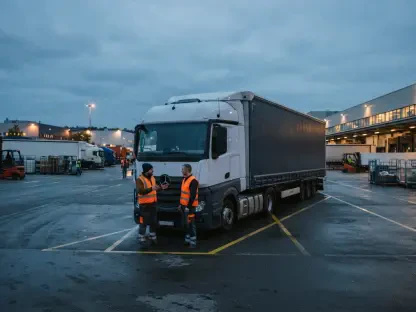
One of the most significant advantages of deploying AI voice agents is the marked improvement in the daily experience for commercial drivers. These agents provide drivers with immediate access to critical information without the frustration of being placed on hold or waiting for a call back from a busy manager. Whether a driver needs to know their gate assignment, report a mechanical issue, or receive an update on their next load, the AI provides an instant, accurate response. This speed is particularly valuable in time-sensitive situations where every minute spent idling at a dock or a repair shop impacts the driver’s earnings and compliance hours. Furthermore, modern AI systems are designed with multimodal capabilities, allowing them to switch seamlessly between voice calls, text messages, and emails based on the driver’s preference, ensuring that communication is as convenient and non-disruptive as possible.
The diverse and multilingual nature of the North American trucking workforce is also better served by AI systems that can communicate in multiple languages. Modern agents can detect a driver’s language and switch between English, Spanish, or French mid-conversation, ensuring that every driver receives clear and precise instructions regardless of their primary language. This capability reduces the risk of misunderstandings that can lead to costly errors or safety issues at delivery sites. Additionally, systems like Hyperscale’s Vic coordinator provide a virtual info desk that pulls real-time data from various platforms to keep drivers informed about their schedules and compliance risks. By prioritizing the driver’s needs and providing them with a reliable, easy-to-use communication tool, logistics companies can improve driver retention and foster a more professional and supportive culture. This focus on the “frontline” experience ensures that the entire supply chain functions more smoothly and equitably.
Future Strategies for Automated Logistics
The widespread adoption of AI voice agents throughout the freight sector demonstrated a fundamental shift in how operational efficiency was measured and achieved. Decision-makers who prioritized the integration of these systems found that their teams transitioned away from reactive communication toward proactive relationship management. The initial investments in natural language processing and TMS connectivity yielded significant dividends in terms of labor hours saved and missed opportunities captured. Furthermore, the ability to provide consistent, multilingual support for drivers improved the overall fluidity of terminal operations and reduced the friction associated with manual check-ins. It became clear that those organizations that embraced “agentic communication” were better positioned to navigate market volatility and scale their operations without the traditional constraints of administrative overhead.
Looking ahead, the focus must now shift toward refining the data loops created by these automated interactions to further enhance predictive capabilities. Companies should analyze the vast amount of communication data captured by AI agents to identify recurring bottlenecks at specific facilities or with certain carrier groups. Implementing advanced analytics on top of these voice interactions will allow for even more sophisticated workflow triggers and risk mitigation strategies. It is also recommended that logistics providers continue to expand their multimodal communication offerings to accommodate the evolving preferences of the workforce. By maintaining a clear distinction between the efficiency of the machine and the empathy of the human, organizations will continue to drive innovation. The path forward involves not just using AI to talk, but using it to listen, learn, and ultimately transform every interaction into a strategic asset for the business.