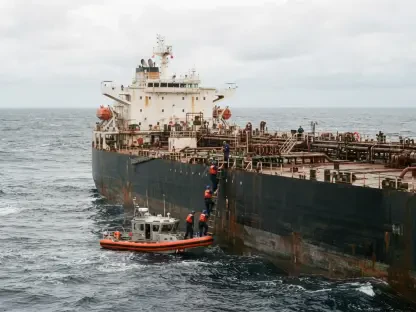

Since its founding in 2011, the Latin American Marine Insurance Association has trained over 12,000 professionals to handle the complexities of the regional logistics sector. This foundational effort has paved the way for a broader industry shift where marine insurance is no longer viewed as a peripheral expense but as a central component of corporate stability. As international markets face unprecedented geopolitical volatility and the tangible effects of climate change, the traditional role of insurance as a mere financial safety net is rapidly being replaced by a more proactive model of business resilience. In the current 2026 trade environment, supply chains are more interconnected and fragile than ever before, requiring a transition from simple indemnification to strategic risk management. This evolution allows businesses to maintain continuity and economic competitiveness, ensuring that the global flow of goods remains stable even when confronted with sophisticated cargo fraud or disruptive emerging technologies.
Strengthening Regional Expertise
The professionalization of the maritime insurance sector has been a key driver in making the regional market more attractive to international investors and global trade partners. By creating a specialized ecosystem that connects underwriters with logistics experts, the industry has successfully standardized a knowledge base that was once highly fragmented. This institutional fortification is essential for accurately pricing risks that are unique to Latin American geography, such as specific inland transit challenges and varying regulatory frameworks. The result is a more sophisticated workforce capable of handling high-level underwriting tasks with technical authority. This shift has moved the conversation away from basic coverage toward a model where insurance professionals act as strategic advisors, helping cargo owners navigate the multifaceted risks inherent in modern international commerce while ensuring that regional interests are represented on the global stage.
Institutional Growth: Bridging the Expertise Gap
The impact of the Latin American Marine Insurance Association over the past fifteen years is most evident in its ability to foster professional development across diverse markets. By providing a platform for continuous education and technical exchange, the association has bridged the gap between financial risk assessment and the physical realities of the logistics sector. This progress is quantified by the publication of dozens of specialized technical documents and the maintenance of extensive digital libraries that serve as the regional gold standard. These resources allow practitioners to adopt best practices that align with international norms, such as those set by the International Union of Marine Insurance. As a result, the region has developed a unified technical voice, enabling underwriters to manage complex cross-border claims with greater consistency and speed, which is vital for maintaining the liquidity and operational momentum of the companies they protect.
Specialized Committees: Securing Generational Continuity
To ensure that the expertise gained over the last decade remains a permanent fixture of the industry, a strong emphasis has been placed on mentorship and the inclusion of emerging talent. Through programs like NewGEN and various technical committees focused on cargo, hull, and legal claims, the sector is facilitating a seamless transfer of knowledge between industry veterans and the next generation of professionals. This approach is particularly important in 2026, as the industry must integrate traditional maritime knowledge with new digital competencies. These committees serve as incubators for innovation, where specialized risks can be analyzed in a collaborative environment. By fostering this generational continuity, the industry guarantees that it will have the specialized human capital necessary to face future challenges, ensuring that the professional standards of the regional market continue to rise in alignment with the demands of an increasingly complex global trade network.
Integrated Risk Assessment
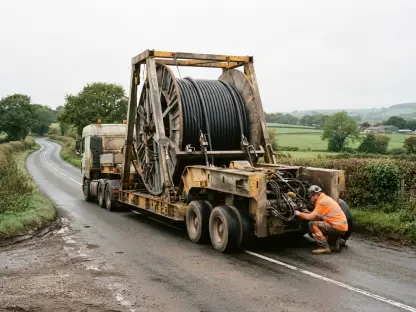
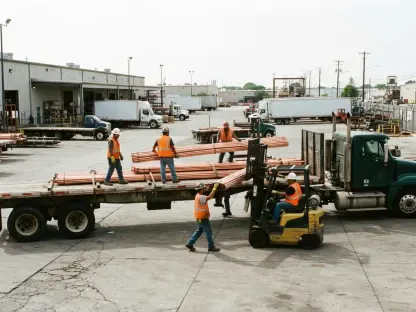
Technological and methodological advancements in underwriting have favored a transition toward an integrated approach that views the supply chain as a single, continuous exposure. Historically, insurance was often segmented between transit and storage, a practice that frequently left cargo owners vulnerable to coverage gaps during the transitions between different modes of transport. Modern risk assessment now prioritizes a holistic view, reflecting the reality that goods are constantly in motion through a network of warehouses, ships, and trucks. This comprehensive strategy allows for a more accurate reflection of the total risk profile, enabling insurers to provide tailored protection that covers the entire lifecycle of a product from the point of origin to the final destination. By eliminating the silos between different types of coverage, the industry provides a more robust and reliable financial foundation for manufacturers and distributors who operate in high-volume, fast-moving markets.
Holistic Models: The Stock Throughput Approach
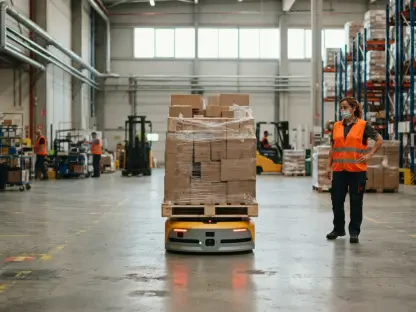
The adoption of the Stock Throughput methodology represents a major milestone in the quest for supply chain resilience. This approach integrates transit and stationary storage risks into a single policy, offering seamless protection as goods move through various nodes of the logistics network. For manufacturers whose inventory is distributed across multiple regional facilities, this holistic model provides clarity and reduces the administrative burden of managing multiple insurance contracts. It also allows underwriters to gain a deeper understanding of the cumulative risk at any given moment, leading to more precise pricing and more effective loss prevention recommendations. By aligning insurance structures with the physical flow of modern logistics, the industry has created a more flexible and responsive system that can adapt to sudden changes in inventory levels or transportation routes, ensuring that business operations remain protected throughout the entire commercial cycle.
Critical Hubs: Managing Port Vulnerabilities
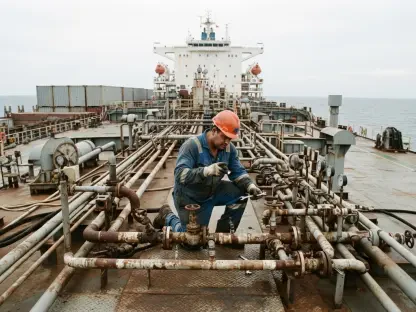
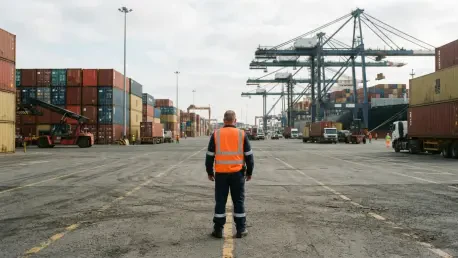
A significant component of modern risk management involves the detailed analysis of critical infrastructure nodes, particularly major port terminals that serve as convergence points for global trade. These hubs are identified as areas of extreme vulnerability due to the high concentration of cargo value and their exposure to both natural disasters and operational failures. Specialized underwriting now focuses on “catastrophic port risk,” utilizing advanced modeling to predict the potential impact of localized disruptions on the broader supply chain. By working closely with port authorities and terminal operators, insurers can help implement safety protocols and disaster recovery plans that minimize downtime in the event of an emergency. This focus on hub resilience is vital for preventing the systemic collapses that can occur when a major logistics artery is blocked, highlighting the essential role that insurance plays in safeguarding the physical infrastructure that sustains global economic activity.
Innovation and Infrastructure
The digital transformation of the maritime insurance industry is characterized by the use of advanced analytics and business intelligence platforms to drive better decision-making. These tools allow for a more granular analysis of claims data and premium trends, providing underwriters with the insights needed to identify emerging risks before they become systemic problems. However, industry leaders emphasize that technology must be balanced with human judgment to be truly effective. While data can highlight historical patterns, it often fails to account for the unpredictable nature of geopolitical shifts or socioeconomic crises. Therefore, the successful integration of innovation requires a hybrid approach where artificial intelligence and machine learning serve as aids to professional expertise rather than replacements for it. This ensures that the industry remains agile and responsive to a rapidly changing global landscape while maintaining high standards of accountability.
Data Analytics: Balancing Technology and Judgment
The introduction of advanced analytics platforms has revolutionized how the regional market utilizes data to assess and mitigate risk. These business intelligence tools enable underwriters to track loss ratios and claim frequencies with unprecedented precision, leading to more informed and fair pricing for cargo owners. Despite the efficiency gains offered by automation, the human element remains indispensable for interpreting the context behind the numbers. In the current year, the consensus among experts is that professional accountability is necessary to navigate the nuances of socioeconomic instability that data alone cannot predict. By combining the processing power of artificial intelligence with the intuitive judgment of experienced underwriters, the industry can create more robust risk profiles that account for both quantitative trends and qualitative shifts in the international trade environment, providing a more comprehensive level of protection for global commerce.
Operational Resilience: Securing Strategic Trade Arteries
The resilience of global trade is inextricably linked to the operational continuity of strategic maritime routes, such as the Panama Canal. As a critical artery for international connectivity, any disruption at such a node has a bullwhip effect that impacts transit times, inventory levels, and commercial costs worldwide. For nations deeply integrated into the global market, the stability of these routes is a matter of national economic security. The insurance sector plays a vital role in this ecosystem by providing the financial backing necessary for infrastructure projects aimed at climate adaptation and operational hardening. This synergy between financial protection and physical resilience ensures that trade remains fluid even in the face of environmental challenges or logistical bottlenecks. By focusing on the long-term stability of these maritime arteries, the industry helps guarantee that the global supply chain can withstand the pressures of an increasingly volatile world.
Collaboration and Economic Value
Effective risk management in the maritime sector requires a collaborative model that involves the public sector, private industry, and academic institutions working in unison. One of the primary challenges identified by industry leaders is the linguistic and conceptual gap that often exists between cargo owners and insurance providers. To close this gap, insurers must become “logistics-fluent,” gaining a deep understanding of the physical handling, storage, and transportation requirements of the specific goods they protect. This is particularly important for specialized industries, such as high-value manufacturing or artisanal exports, where the risks are unique and require tailored solutions. By acting as strategic consultants rather than just financial service providers, insurance brokers can help businesses develop robust prevention strategies that reduce the likelihood of loss, thereby fostering a more stable environment for international trade.
Collaborative Frameworks: Promoting Cross-Sector Communication
Closing the communication gap between stakeholders is essential for developing a more resilient trade ecosystem. Often, insurers and logistics managers operate in silos, leading to misunderstandings about the nature of risk and the scope of coverage. A collaborative approach involves sharing data and expertise across sectors to create a more comprehensive understanding of the threats facing modern supply chains. By engaging in a four-pillar framework that includes government agencies and academia, the insurance industry can contribute to the development of better security standards and more effective response mechanisms. This partnership is vital for addressing complex issues such as cargo theft and the impact of regional instability on trade routes. Through open dialogue and shared objectives, the various players in the logistics chain can create a more transparent and efficient system that benefits all participants and enhances the overall competitiveness of the regional market.
Economic Stability: The Preservation of Continuity
The ultimate value of marine insurance lies in its ability to preserve macroeconomic stability by preventing liquidity crises and ensuring business continuity. When a shipment is lost or a supply chain is broken, the ripple effects can be devastating, leading to contractual breaches, loss of market share, and even broader economic instability. By providing the financial instruments necessary for a rapid recovery, the insurance industry acts as the “invisible backbone” of the global economy, allowing businesses to thrive and innovate despite the inherent risks of international trade. This focus on the “Art of Managing Logistics Risks” shifts the priority from simple indemnification to a comprehensive strategy for economic resilience. By ensuring that financial protections are in place to restore operations quickly, the industry safeguards the vital flow of goods that sustains modern civilization, contributing to long-term prosperity and growth in an increasingly complex and unpredictable global environment.
Safeguarding the Vital Flow of Global Commerce
The maritime insurance sector successfully navigated the transition from a traditional risk-transfer model to a proactive pillar of global trade resilience. By prioritizing professional development and the integration of advanced analytics, industry leaders established a more sophisticated framework for protecting the world’s most critical supply chains. The focus shifted away from merely compensating for financial losses and moved toward the preservation of operational continuity for manufacturers and distributors alike. This evolution proved that the true value of insurance lay in its ability to act as a strategic advisor, helping businesses anticipate vulnerabilities and implement robust prevention strategies. Stakeholders across the logistics spectrum recognized that financial stability and physical infrastructure were two sides of the same coin, requiring a unified approach to risk management. As organizations adopted more holistic coverage models and fostered deeper cross-sector collaboration, the industry provided the stability necessary for international commerce to flourish. These efforts ensured that the global movement of goods remained secure, fostering a more resilient and prosperous economic landscape for years to come.