
US authorities are conducting thorough forensic examinations of both Information Technology and Operational Technology systems on commercial tankers following suspected breaches. The global shipping industry has entered a precarious new phase where digital battlefields are actively merging with physical maritime corridors. Recent investigations highlight a sophisticated and coordinated campaign of cyber warfare targeting approximately 50 commercial vessels across the globe. These incidents, involving crude oil tankers and large cargo carriers, are part of a broader geopolitical struggle that spans the most critical transit points in the world. From the Strait of Hormuz to the Gulf of Mexico, the friction between Washington and Tehran has effectively transitioned from traditional kinetic skirmishes to a clandestine digital front. This shift represents a direct and immediate challenge to the stability of international commerce and the safety of hazardous materials transported daily across the open seas.
Tactical Intimidation and Technical Gaps
Psychological and Digital Warfare: Tactical Intimidation
The methods deployed against maritime operators have evolved into a complex mix of direct intimidation and silent system infiltration. Attackers have frequently utilized bomb scares, ransom demands, and politically charged messages to destabilize crew operations and pressure vessel owners. Many of these communications were written in Farsi, specifically warning shipowners against the transport of American-produced energy products or the support of specific international interests. In several alarming instances, crew members received threatening messages directly on their personal mobile devices while their vessels were navigating high-traffic zones. These messages often contained specific details about the cargo, emphasizing that the ship had been identified as a legitimate target for disruption. This level of personalized harassment suggests a high degree of surveillance by perpetrators who aim to create a climate of fear and uncertainty among those responsible for the backbone of global trade.
Beyond the immediate psychological impact of overt threats, investigators are increasingly concerned about the presence of “lurking” malware within a ship’s digital infrastructure. This tactic involves compromising a vessel’s internal systems without triggering immediate alarms, allowing unauthorized actors to remain dormant until a strategic moment for exploitation arises. Such long-term persistence within maritime networks enables attackers to monitor communications, map out operational weaknesses, and potentially synchronize large-scale disruptions across multiple fleets simultaneously. The maritime industry’s reliance on legacy software combined with modern, internet-facing connectivity has created an environment where these silent intruders can hide for months. As shipping companies race to digitize their operations for greater efficiency, the lack of robust, real-time cyber monitoring tools leaves many vessels vulnerable. This reality necessitates a fundamental shift in how crews manage digital security, moving to a state of perpetual defensive vigilance.
Vulnerabilities in Network Infrastructure: The Core Weakness
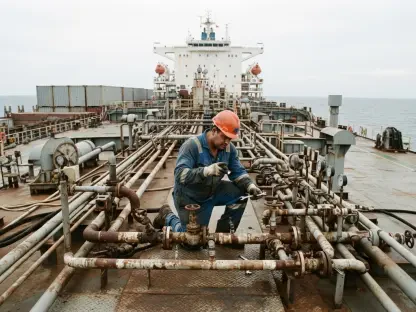
Technical forensic analysis has pinpointed a recurring and severe vulnerability in the hardware utilized by many prominent shipping companies, with a specific focus on Fortinet routers and associated networking equipment. These devices serve as the essential bridge between a vessel’s Information Technology and its Operational Technology, the latter of which manages critical physical functions such as engine performance, ballast control, and precise navigation. When these routers are compromised, the air gap that traditionally protected a ship’s mechanical systems from external interference is effectively dissolved. This allows cyber actors to pivot from the ship’s business network into more sensitive machinery control systems, creating a pathway for potentially catastrophic operational failures. While many current intrusions have been identified as attempts to disrupt communications, the potential for an actor to gain deeper control over a vessel’s movement remains a high-priority concern for security experts.
The systemic nature of these hardware vulnerabilities has led to the issuance of urgent formal alerts by the US Coast Guard Cyber Command and the FBI. These agencies have warned that nation-state actors are actively exploiting specific networking gateways to gain unauthorized access to both maritime facilities and individual ships. The exploitation of these devices often results in significant operational delays as security teams must take systems offline to perform deep audits and purge malicious scripts. Furthermore, the disruption of ship-to-shore communications can lead to a breakdown in real-time coordination with port authorities, increasing the risk of collisions in crowded waterways or causing massive bottlenecks at international shipping hubs. The reliance on standardized networking hardware across the global fleet means that a single vulnerability can have widespread consequences, necessitating a coordinated effort to patch systems and replace outdated equipment to protect international economic stability.
Geopolitical Friction and Defense Responses
Attribution and State-Sponsored Aggression: Identifying the Suspects
While definitive legal proof remains a complex challenge for intelligence agencies, Iran has emerged as the primary suspect in this surge of maritime cyber activity. This suspicion is heavily supported by the use of the Farsi language in threats and the strategic timing of the attacks during periods of heightened tension over international oil sanctions. Furthermore, these digital strikes are frequently publicized and celebrated on Iranian-linked media channels, suggesting a deliberate effort to project power and influence through asymmetric means. This pattern of behavior aligns with a broader strategy of using cyber tools to exert pressure on nations that support economic restrictions against Tehran’s energy sector. By targeting commercial vessels, the perpetrators can cause significant financial damage and political embarrassment without triggering a full-scale military response. This allows state-sponsored actors to maintain plausible deniability while achieving their strategic objectives.
In addition to the activities attributed to Iran, Russia is also under significant scrutiny for its role in distributing digital propaganda and misinformation related to these maritime incidents. Both nations have been linked to the amplification of ship compromises through their state-aligned media outlets, often exaggerating the severity of attacks to create a sense of global insecurity and instability. Some officials have noted that while the physical evidence of a breach may be clear, the narrative surrounding the attack is often weaponized to influence public perception and international shipping policy. This collaborative or parallel effort in the digital information space makes attribution even more difficult, as multiple actors may benefit from the chaos. Despite the lack of a “smoking gun” that would provide irrefutable proof, the alignment of these cyberattacks with the interests of specific regimes suggests the maritime sector has become a permanent theater for national power plays.
Proactive Defense and Boarding Operations: Securing the Fleet
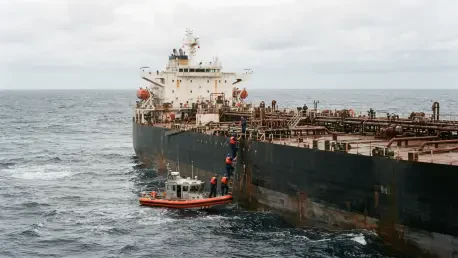
In response to the escalating digital threats, the US government has transitioned to a more assertive defense posture by deploying specialized cyber-protection teams to inspect and secure vulnerable vessels. This change in strategy was clearly demonstrated during the middle of 2026, when Coast Guard authorities conducted high-stakes boarding operations on the VL Prosperity and the Kohaku in the Gulf of Mexico. These interventions were prompted by reports of cyber-induced communication failures and suspicious activity within the ships’ internal networks. The VL Prosperity, a Liberian-flagged tanker, became a focal point for international security after foreign media claimed the vessel had been effectively disabled by a cyber strike. These proactive measures represent a significant departure from past practices, where cyber incidents were largely handled by private security firms. By putting federal personnel on commercial decks, the United States is signaling that it considers digital integrity a matter of national security.
These boarding operations involve a comprehensive forensic examination of both the Information Technology and Operational Technology systems to detect and eliminate any traces of malicious code. Specialized tools are used to scan for backdoors, hidden scripts, and unauthorized accounts that may have been established during a breach. Beyond the technical purging of systems, these teams also provide training to the crew on how to recognize early signs of a cyberattack, such as unexplained communication dropouts. This holistic approach aims to harden vessels against future intrusions while building a more resilient human defense layer within the maritime industry. The successful execution of these missions has reinforced the consensus among defense agencies that protecting the digital frontier is now as critical as physical border patrols. As cyber warfare continues to evolve, these protection teams will likely become a permanent fixture in high-risk transit zones to safeguard ships from digital aggression.
Economic Impacts and Strategic Realities
Consequences for Global Energy Markets: Financial Risk
The disruption of maritime trade through sophisticated cyber means carries immense economic weight, particularly for global energy hubs like the United Arab Emirates. As a critical center for logistics and petroleum exports, the UAE is uniquely vulnerable to any instability within the Strait of Hormuz, where nearly 20% of the world’s petroleum liquids transit daily. The primary economic threat is not just the potential loss of a single vessel, but the cascading effects that cyber insecurity has on the entire maritime ecosystem. When a ship is suspected of being compromised, it must undergo rigorous and time-consuming security audits, leading to significant delivery delays that can ripple through the global supply chain. For regional economies that rely heavily on the precise timing of energy shipments, even a minor disruption in the digital flow can translate into millions of dollars in lost revenue and operational inefficiencies that impact markets worldwide.
Furthermore, the rise in maritime cyber incidents has a direct impact on the cost of doing business, most notably through increased insurance premiums for vessels operating in designated high-risk zones. Insurance providers are now forced to factor in the potential for digital sabotage alongside traditional risks like piracy, leading to higher overhead for shipping companies. These increased costs are inevitably passed down to consumers, contributing to broader inflationary pressures in the energy market. Any perceived threat to the safety of LNG or oil tankers can cause immediate and sharp fluctuations in global energy prices, as traders react to the potential for supply shortages. This volatility creates an environment of economic uncertainty that can hinder long-term investment in maritime infrastructure and energy projects. Consequently, the struggle for maritime cybersecurity is a fundamental fight for economic stability in a world where energy security is linked to digital networks.
Expert Analysis on Operational Limits: Physical Safety Nets
Despite the frequent and alarming headlines regarding the potential for cyber-driven catastrophes at sea, many maritime analysts offer a more tempered and nuanced view of the actual physical dangers. Analysts have pointed out that while cyber intrusions can certainly cause logistical chaos and financial hardship, the likelihood of a remote actor causing a “doomsday scenario” is currently low. Modern commercial vessels are designed with multiple layers of redundancy, including manual overrides and analog controls that allow the crew to take full physical command of the ship in the event of a digital system failure. This means that even if an attacker successfully gains access to a ship’s navigation or propulsion software, the crew can physically disconnect the compromised systems and steer the vessel safely. These mechanical safety nets provide a critical buffer against the most extreme forms of cyber sabotage, ensuring that human operators remain the final authority.
While the technical limits of cyber warfare may prevent remote attackers from causing a ship to explode, the potential for logistical disruption remains immense. The true power of these attacks lies in their ability to create uncertainty, delay critical shipments, and force expensive security responses that drain resources. Experts emphasize that the maritime industry must focus on these realistic disruptions rather than being distracted by cinematic disaster scenarios that are not yet technically feasible. By concentrating on hardening the communication networks and securing the bridge between systems, shipping companies can significantly reduce the impact of state-sponsored aggression. The goal is to make these attacks so difficult and unrewarding that they no longer serve as an effective tool for geopolitical leverage. As the industry moves forward, the focus must remain on resilience, acknowledging that the digital threat is real but manageable if manual protocols are maintained.
Future Outlook for Maritime Security
Evolving Protocols and International Cooperation: New Standards
The documented reality of digital disruption in the shipping sector has made it clear that the maritime industry must permanently adapt its security protocols to survive in this new environment. Moving forward, the focus of international maritime policy is shifting toward the implementation of formal sanctions against state-sponsored cyber perpetrators. By establishing clear consequences for digital aggression, the international community aims to create a deterrent that currently does not exist. Additionally, the frequency of these intrusions is expected to increase as cyber tools become more accessible, necessitating a rapid advancement in the cybersecurity standards for all onboard equipment. This involves a shift from basic firewalls to advanced threat detection systems that can identify and neutralize malicious activity in real-time. Shipping companies are also being encouraged to share threat intelligence with one another, breaking down traditional silos.
Building on these defensive measures, the long-term success of maritime security will depend on the strength of the partnership between federal agencies and international shipowners. This cooperation is vital for developing a comprehensive understanding of the threat landscape and for implementing standardized security audits across the global fleet. In the coming years, we can expect to see more integrated security frameworks that treat cybersecurity as a core operational requirement rather than an optional expense. This includes the regular testing of emergency manual override procedures and the deployment of encrypted, satellite-based communication systems that are more resistant to interference. By prioritizing the digital integrity of the supply chain, the industry can ensure it remains a reliable driver of global commerce even as geopolitical tensions manifest in the digital realm. The evolution of these protocols will not only protect vessels but also safeguard the collective economic interests.
The New Normal of Trade Protection: Constant Vigilance
As the distinction between suspected state involvement and proven responsibility continues to be a subject of intense debate, the vulnerability of global trade routes remains a pressing concern for national security advisors. The maritime sector serves as the absolute backbone of the global economy, and its heavy reliance on interconnected digital systems makes it an attractive target for those seeking to exert geopolitical leverage without the risks of traditional combat. Protecting these vital arteries now requires a constant state of digital vigilance, where every system check and network audit is viewed as an act of national defense. This new reality means that the digital security of a tanker is just as important as the physical armor on a warship. As nations continue to test the boundaries of cyber warfare, the maritime industry will find itself on the front lines of a conflict fought with code rather than torpedoes, requiring innovation to maintain the flow of energy.
In conclusion, the proactive measures taken by international authorities during the middle of 2026 successfully identified and mitigated several critical threats to the global maritime infrastructure. By deploying specialized forensic teams and conducting thorough inspections of both Information Technology and Operational Technology systems, the United States and its allies demonstrated a renewed commitment to securing the digital frontier of the seas. These actions provided actionable insights into the vulnerabilities of the global fleet and led to the development of more robust security standards for networking hardware. Shipowners and port operators were urged to implement advanced encryption protocols and establish clear manual fallback procedures to ensure operational continuity in the event of a breach. Moving forward, the industry adopted a more collaborative approach to threat sharing, which significantly improved the collective resilience against state-sponsored cyber aggression and modern digital warfare.