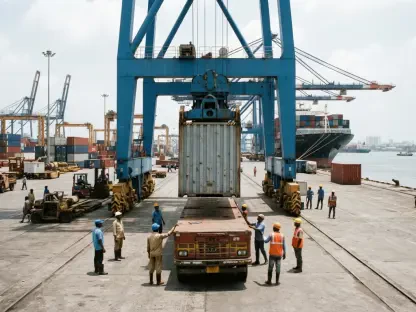

Direct Fulfillment Centers are now dedicated to managing online orders for specialized plumbing and electrical fixtures, ensuring rapid delivery without straining store inventory. This massive shift in operational focus represents a definitive transition from a traditional retail mindset to a sophisticated, logistics-heavy strategy designed specifically for the professional contractor. Historically, professional contractors viewed these warehouse locations as secondary convenience stops, useful only for snagging a forgotten tool or an emergency batch of fasteners. However, a significant multibillion-dollar investment in last-mile delivery and specialized infrastructure has fundamentally altered that dynamic. By decoupling professional order fulfillment from the consumer-facing retail environment, the organization has created a dedicated pathway for high-volume transactions. This evolution is not just about moving products; it is about providing the reliability and scale required to serve as the primary wholesale partner for nine million professionals who manage complex construction sites daily.
Investing in Specialized Distribution Networks
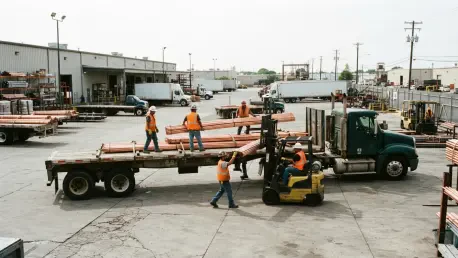
The creation of a dual-track distribution network involving Flatbed Distribution Centers and Direct Fulfillment Centers is central to this infrastructure overhaul. Flatbed centers are specifically engineered to handle “job lot” quantities of heavy materials such as lumber, roofing, and concrete, which are typically too bulky for a standard retail store to manage without significant disruption. By centralizing these heavy-duty items in specialized facilities, the company can efficiently pick and pack massive orders that go directly to the construction site. This bypasses congested parking lots and limited loading zones at consumer stores, allowing contractors to receive essential structural materials with the speed of a specialized wholesaler. The logistics of these centers are tuned to the specific needs of the construction trade, ensuring that the materials required for the foundation or framing phase of a project arrive in a single, coordinated shipment that matches the precise schedule of the crew on the ground.
While the flatbed facilities manage the heavy lifting, the Direct Fulfillment Centers ensure that the broader catalog of specialized fixtures and finishes remains highly accessible. These high-tech hubs are part of a massive $1.2 billion expansion project aimed at establishing 150 new delivery centers to provide same-day or next-day service to nearly the entire domestic population. This network density is crucial for maintaining the tight timelines of modern renovation and construction projects, where a missing faucet or a delayed electrical panel can halt an entire team of subcontractors. By utilizing these specialized nodes, the organization maintains a high level of inventory accuracy and delivery speed that far exceeds the capabilities of a store-only fulfillment model. The result is a robust supply chain that can accommodate the fluctuating demands of the professional market, providing a level of reliability that empowers contractors to commit to aggressive project deadlines with the confidence that their supplies will arrive exactly as planned.
Scaling Capacity and Modernizing the Professional Experience
The recent integration of specialized companies like SRS Distribution and GMS has fundamentally expanded the reach and technical capability of the existing logistics ecosystem. These major acquisitions have provided an immediate influx of specialized assets, including over a thousand new distribution points and a massive fleet of approximately 13,000 delivery vehicles. These are not standard delivery vans; they include specialized boom trucks and heavy-duty flatbeds capable of delivering materials directly to rooftops or upper floors, which is a critical requirement for large-scale roofing and framing operations. This technical capability allows the company to handle niche materials like steel framing and complex ceiling systems that require specialized handling and storage. By merging these expert logistics networks with the existing infrastructure, the organization has effectively created a comprehensive one-stop shop that can service a project from the initial groundbreaking phase all the way through to the final interior finishes.
Parallel to the physical expansion is a digital overhaul designed to simplify the complex financial and administrative burdens faced by large-scale builders. The launch of a modernized order management platform has addressed a long-standing friction point: the rigid retail payment model that historically required immediate settlement at the point of sale. The new system introduces flexible billing options, including the ability to pay upon delivery or utilize sophisticated credit lines that better align with the cash-flow cycles of professional construction projects. This shift acknowledges that professional contractors operate differently than retail consumers, often requiring detailed invoicing and job-specific accounting to manage their own clients’ budgets. By providing a digital environment that mirrors the way professionals actually do business, the platform reduces the time spent on administrative tasks and allows project managers to focus on the job site rather than the back office.
Driving Productivity through Integrated Supply Chain Management
The transformation into a logistics-first organization effectively solved the last-mile challenges that historically limited the efficiency of professional building projects. By building a network that prioritized the unique demands of high-volume contractors, the organization redefined its role within the construction lifecycle. For industry professionals, the next logical step involves fully transitioning away from fragmented vendor management and adopting these integrated digital and physical systems to streamline procurement. Utilizing real-time tracking and specialized delivery fleets allowed project managers to reduce downtime and improve labor allocation on complex job sites. This unified supply chain approach successfully demonstrated that a retail giant could pivot into a critical wholesale partner by aligning its assets with the time-sensitive requirements of its most valuable customers. As these specialized centers continue to expand their reach across major markets, the construction community gains a more reliable and transparent framework for managing the logistics of modern development.
Moving forward, builders should prioritize the synchronization of their project schedules with these digital visibility tools to ensure that procurement remains ahead of the construction curve. The synergy of specialized distribution centers and high-tech tracking tools successfully created a unified environment that addressed the unique time-sensitive demands of the building community. As the infrastructure continued to mature across top metropolitan markets, the construction industry gained a critical engine for growth, ensuring that the necessary materials were always available exactly when and where they were required to keep the momentum of development moving forward. By centralizing the majority of their material needs through a single logistics provider, contractors were able to eliminate the administrative bloat associated with managing thirty different vendors. This comprehensive approach ensured that the organization was no longer just a source for tools and hardware, but a vital logistical partner capable of sustaining the high-pressure demands of the modern building industry.