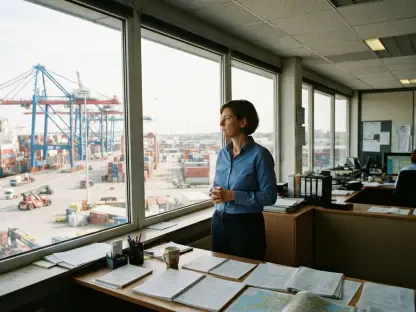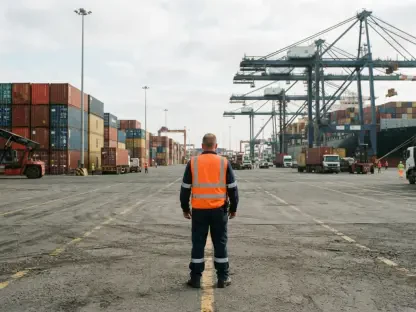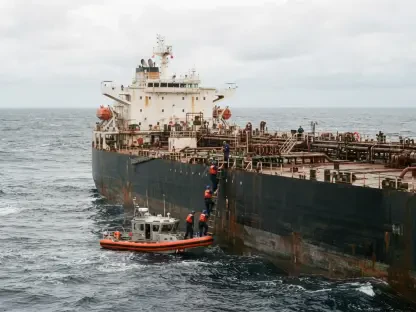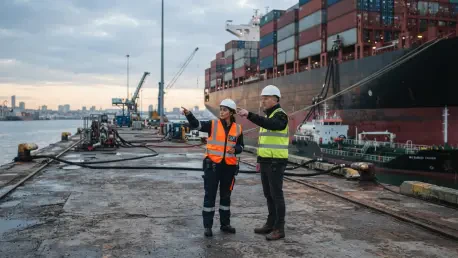

The global shipping industry stands at a critical crossroads as the International Maritime Organization mandates a complete transition toward net-zero greenhouse gas emissions by 2050, placing immense pressure on traditional bunkering ports to reinvent their core business models or risk total irrelevance. Hong Kong has responded to this existential challenge by launching a comprehensive strategic initiative designed to secure its position as a premier global hub for green maritime fuel trading. By establishing the Task Group on the Development of the Green Maritime Fuel Trading Platform, the Transport and Logistics Bureau has signaled a decisive shift toward sustainable energy integration. This collaborative body unites energy traders, green fuel producers, and international think tanks to navigate the complexities of decarbonization. The city aims to capitalize on its long-standing status as a financial powerhouse to facilitate the physical and digital trade of low-carbon fuels like green methanol and ammonia.
Strengthening the Sustainable Supply Chain
Building a robust ecosystem requires more than just policy declarations; it demands tangible partnerships that span the entire value chain from production to final bunkering. During the recent Hong Kong Maritime Week, the local government solidified its commitment by signing several high-profile Memoranda of Understanding with global entities like AEX Holdings and the International Green Fuels Alliance. These agreements are not merely symbolic but serve as the foundation for platform development and user solicitation among the world’s largest shipping fleets. By consolidating stakeholders under a single strategic umbrella, the city aims to streamline the certification and financing of sustainable fuels, which remain significant hurdles for many shipowners today. This integrated approach ensures that every link in the supply chain—from the initial manufacture of green hydrogen-based fuels to their eventual delivery—is supported by a network of legal and financial experts.
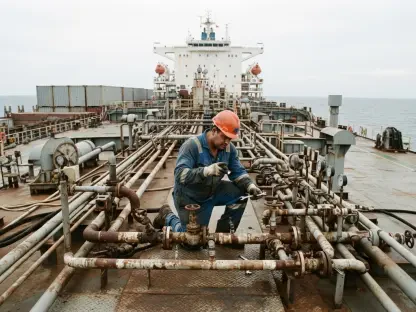
Transitioning to a green bunkering model necessitates a significant overhaul of physical infrastructure to accommodate fuels that possess storage and handling requirements different from traditional heavy fuel oil. Plans are currently underway to designate specific zones within the port for the storage of green methanol and liquefied natural gas, ensuring that the necessary safety protocols and technical standards are met for high-volume transactions. This infrastructure expansion is closely linked to the broader goal of attracting international fuel producers to establish a permanent presence within the region. By providing state-of-the-art facilities and a clear regulatory pathway for the handling of alternative energy sources, the port can offer a reliable supply of zero-carbon options to vessels traversing major trans-Pacific and intra-Asia trade routes. This physical readiness, combined with a highly efficient logistics network, positions the city as a primary destination for global shipping lines.
Driving Market Transparency and Future Growth
Establishing a transparent and reliable pricing mechanism is essential for the maturation of the green fuel market, which has historically suffered from fragmented data and high price volatility. A central component of the strategy is the creation of a specialized green fuel price index derived from actual transaction data occurring within the regional market. This index is designed to provide shipowners, fuel traders, and financial institutions with a standardized benchmark that facilitates more accurate budgeting and risk management for long-term fuel contracts. By offering a clear window into market dynamics, the city can reduce the uncertainty that often deters investors from committing to large-scale green energy projects. Furthermore, this data-driven approach leverages existing expertise in commodity trading and financial technology, allowing the territory to offer sophisticated hedging tools that are currently unavailable in many other emerging maritime bunkering centers.
The strategic pivot toward becoming a green maritime hub represented a proactive alignment with global mandates and a recognition of the shifting dynamics in international trade. Decision-makers successfully integrated financial technology with environmental policy to create a cohesive roadmap that addressed both the physical and economic requirements of a decarbonized shipping sector. Industry leaders concluded that the focus on price transparency and fiscal incentives effectively mitigated the risks associated with the early-stage adoption of sustainable fuels. Looking ahead, the expansion of the bunkering network through cooperation with Mainland China offered a scalable model for regional energy transitions. To maintain this momentum, stakeholders prioritized the refinement of the fuel price index and the acceleration of infrastructure projects. These actions ensured that the city remained competitive in an era where environmental performance became as critical as logistical speed.