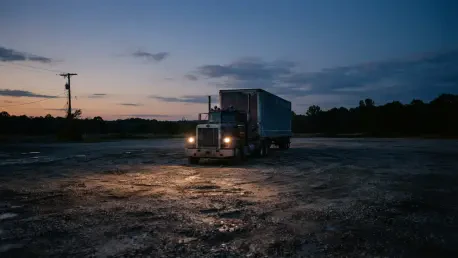

Independent owner-operators currently represent more than half of the American trucking industry, yet these single-vehicle businesses lack the volume-based purchasing power to negotiate fuel discounts available to mega-fleets. As the logistical heartbeat of the United States, these small enterprises navigate an increasingly hostile economic landscape defined by extreme price volatility and a tightening regulatory environment that favors consolidation. While large-scale logistics corporations utilize sophisticated hedging strategies and massive economies of scale to survive market downturns, independent drivers often operate on the razor’s edge of insolvency. This disparity is not merely a corporate grievance but a structural threat to the resilience of the national supply chain, which relies on the flexibility and specialized services of small-scale operators to move essential goods through every zip code. In 2026, the convergence of rising operational costs and shifting federal mandates has created a perfect storm, forcing many road veterans to reconsider the viability of their business models. The narrative of the American trucker as a symbol of economic independence is being challenged by a reality where fixed costs and legal liabilities threaten to drive the smallest players out of the market entirely, leaving a vacuum that could lead to higher consumer prices and reduced service quality in rural areas.
The Financial Burden: Fuel Disparity and Insurance Crisis
The operational survival of a small trucking firm is primarily dictated by its ability to manage two volatile overhead costs: fuel and insurance. For an independent operator, the price of diesel at the pump is an unshielded expense that cuts directly into the household budget. Unlike national carriers that benefit from bulk purchase agreements or extensive rebate programs at major truck stop chains, single-truck businesses pay the full retail price, often inclusive of high state and federal taxes. This disparity becomes particularly acute during periods of energy market instability, where a sudden spike in crude prices can evaporate the profit margin of a cross-country haul in a single afternoon. Furthermore, these small businesses frequently lack the market leverage to demand fuel surcharges from their clients, meaning they must absorb the inflationary pressure themselves. This financial erosion limits their ability to modernize equipment or invest in the latest fuel-efficient technologies, creating a cycle of inefficiency that further widens the competitive gap between small operators and their corporate counterparts. The result is a shrinking share of earnings for individual drivers, which diminishes the economic vitality of the communities where these small business owners reside and spend their income.
Beyond the challenges at the fuel pump, the trucking industry is grappling with an insurance premium crisis that has reached a breaking point for many small fleets. The rise of so-called “nuclear verdicts”—exceptionally large legal payouts resulting from accidents—has prompted insurance providers to dramatically hike rates across the entire sector. In the current market, the average driver faces an annual insurance bill of approximately $17,000 per vehicle, a figure that represents a massive fixed cost regardless of how many miles are driven. For a business with 20 trucks or fewer, these premiums are not just a line item; they are a significant barrier to entry and expansion. The high cost of liability protection often forces small carriers to choose between maintaining their current insurance levels and investing in critical safety upgrades or vehicle maintenance. This pressure is compounded by the fact that many shippers now require carriers to hold policies that exceed current federal minimums, essentially mandating higher costs as a prerequisite for even bidding on high-quality freight. As these insurance costs continue to climb, the specialized, owner-operated sector of the industry faces slow attrition, as the capital required to keep a single rig legally on the road becomes too high for many families to sustain over the long term.
The Regulatory Challenge: Liability Mandates and Legal Pressures
The legislative landscape for American trucking is currently dominated by a contentious debate over federal insurance liability requirements. At the heart of this conflict is a proposal to increase the minimum insurance floor from the current $750,000 to a range between $2 million and $3 million. Proponents of this increase argue that the existing limit, which has remained unchanged for decades, has failed to keep pace with the rising costs of medical care and vehicle repairs. From their perspective, the current mandate is insufficient to protect victims in the event of a catastrophic accident, potentially shifting the financial burden of such tragedies onto the public or the victims themselves. However, this argument overlooks the immediate economic impact such a mandate would have on the backbone of the industry. For small trucking firms, a 300 to 400 percent increase in the federal insurance requirement would likely translate to a doubling or tripling of their annual premiums. For many experienced drivers with decades of safe operation, this regulatory shift would be the final catalyst for closure, as the cost of compliance would far outweigh the revenue generated by their service.
Data surrounding this regulatory push suggests a significant disconnect between the proposed solution and the statistical reality of highway accidents. Research highlights that 99.4 percent of all trucking-related accidents result in damages that are fully covered by the existing $750,000 threshold. Industry advocacy groups, such as the Owner-Operator Independent Drivers Association, contend that the push for higher limits is not fundamentally about safety, but is instead influenced by the interests of the litigation industry seeking larger pools of insurance capital for settlements. By focusing on extreme outliers rather than the vast majority of incidents, the proposed mandate threatens to punish safe, small-scale operators for rare occurrences of catastrophic failure. This policy shift could inadvertently trigger a massive consolidation of the industry, as only the largest firms with the deepest pockets would be able to afford the heightened insurance costs. Such a transformation would stifle competition and remove the meticulously maintained vehicles and specialized expertise that many independent drivers bring to the market, particularly in sectors that require high levels of care and precision that mega-fleets are often unable to provide at scale.
The Ripple Effect: Highway Safety and Food Security
A primary concern among industry experts is that the compounding financial pressures on small trucking firms may lead to unintended consequences for public safety. When operational costs like fuel and insurance mandates consume a disproportionate share of a carrier’s revenue, the capital available for routine vehicle maintenance and safety technology upgrades is often the first to be sacrificed. Small operators, who take great pride in the condition of their equipment, find themselves in a precarious position where they must decide between staying solvent and performing non-essential repairs. This economic squeeze can lead to older trucks remaining on the road longer and a potential decrease in the frequency of preventive inspections. Paradoxically, a policy environment intended to enhance safety through higher insurance requirements could actually decrease the overall safety of the highway system by starving small businesses of the funds needed to maintain their fleets to the highest standards. The resilience of the industry depends on the ability of its participants to reinvest in their assets; when that ability is compromised by excessive regulatory costs, the risk of equipment failure and subsequent accidents inevitably rises.
The impact of these economic pressures extends far beyond the trucking industry itself, posing a direct threat to the stability of the American agricultural supply chain. Independent truckers are responsible for transporting the vast majority of farm-to-market goods, including fresh produce, livestock, and grain. These small operators provide the flexible capacity needed to handle the seasonal fluctuations of the agricultural sector, often reaching remote farms that larger carriers find unprofitable to serve. If small-scale trucking firms are forced out of business by rising overhead and insurance mandates, the resulting loss of competition and capacity will drive up transportation costs for farmers. These increased costs will eventually be passed on to consumers, contributing to higher food prices at grocery stores across the nation. Furthermore, a consolidated trucking market dominated by a few large firms would be less responsive to the specific needs of local agricultural producers, potentially leading to delivery delays and increased food waste. Maintaining a healthy ecosystem of small trucking businesses is therefore essential for ensuring that the American public has access to affordable, fresh, and reliable food supplies.
Strategic Solutions: Infrastructure and Legislative Advocacy
As the political cycle progresses, the focus of the trucking industry has shifted toward educating a new generation of lawmakers about the practical realities of the logistics sector. Many policymakers lack firsthand experience with the nuances of highway safety and the unique financial hurdles faced by small-business owners. Advocacy efforts have centered on bridging this knowledge gap to prevent the implementation of “one-size-fits-all” regulations that inadvertently penalize small operators while benefiting large corporate fleets. By providing concrete data on the effectiveness of current insurance levels and the economic contributions of independent drivers, industry representatives aim to foster a more balanced legislative approach. The goal is to move away from punitive financial mandates and toward policies that address the actual needs of the workforce, such as improving road conditions and streamlining the regulatory burden on small enterprises. This educational mission is vital for ensuring that the voices of the men and women who keep the country moving are heard in Congress, preventing the unintentional destruction of a vital segment of the American economy.
In the wake of these challenges, industry leaders and policymakers have identified a series of actionable steps focused on infrastructure and driver dignity as the primary path toward sustainability. Rather than pursuing higher insurance mandates, the focus has shifted toward the passage of a comprehensive Surface Transportation Bill that prioritizes the expansion of safe truck parking and guaranteed restroom access for drivers at shipping locations. These practical improvements recognize that the safety and well-being of the driver are the most effective ways to ensure highway security and operational efficiency. Stakeholders also worked to implement tax credits for small fleets that invested in advanced safety technologies, providing an incentive for modernization without the crushing weight of mandatory insurance hikes. By addressing the root causes of driver fatigue and equipment failure, these measures helped to stabilize the industry and preserve the role of the independent trucker. Ultimately, the industry moved toward a model where competitive markets and infrastructure investment replaced excessive litigation as the drivers of progress, ensuring that small-scale American trucking remained a viable and essential component of the national economy for the years ahead.