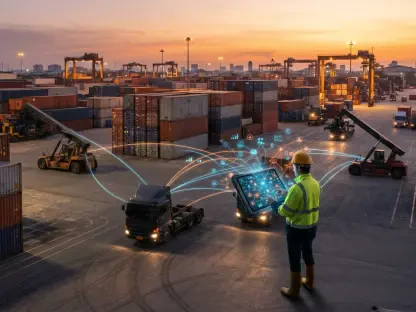

North America currently leads the global logistics automation market, accounting for more than 36 percent of total spending on high-tech supply chain solutions. This dominance is not merely a reflection of regional wealth but a response to the intensifying pressure of e-commerce fulfillment and a shrinking labor pool that has forced a move toward radical efficiency. As we move deeper into the current landscape, the industry is witnessing a seismic shift from isolated mechanical systems toward a unified, AI-driven orchestration layer. In years past, automation was often limited to fixed conveyors and rudimentary sorting systems that operated in silos. However, the modern supply chain requires a level of agility that these “islands of automation” simply cannot provide. By integrating advanced sensors, real-time data streams, and generative AI models, logistics providers are now capable of transforming their facilities into intelligent environments where every pallet movement and individual pick is coordinated by a central digital brain. This evolution is essential to handle the massive surge in fulfillment volumes while maintaining the razor-thin margins that define the retail market. The transition represents a move away from “dumb” machines toward an era of intelligent, connected material flow that adapts to shifting consumer demands in real-time.
The Foundation: Advancements in Robotic Hardware and Tactile Intelligence
Physical hardware remains the backbone of the logistics sector, but the nature of these machines is undergoing a profound metamorphosis from rigid equipment to intelligent, adaptable agents. The industry has moved beyond simple repetitive motions to embrace tactile intelligence, which allows robots to interact with their environment with a level of finesse previously reserved for human workers. Leading innovators are now deploying systems like Amazon’s Vulcan, which utilizes sophisticated force-sensing technology combined with high-resolution computer vision. This capability allows the robot to handle a vast variety of products in cramped or difficult-to-reach areas, effectively solving the “bin-picking” challenge that has long plagued warehouse automation. By reducing the need for human operators to reach into awkward positions or climb ladders, these systems are simultaneously boosting warehouse throughput and significantly improving worker ergonomics. This shift toward physical intelligence is a critical step in creating a truly autonomous environment where machines can recognize, grasp, and move items of varying shapes and weights without constant recalibration.
Beyond general picking tasks, specialized robotics are being developed to address the most stubborn bottlenecks in the supply chain, such as the labor-intensive process of unloading shipping containers. New mobile units, such as those developed by Boston Dynamics, are designed specifically to enter trailers and unload irregularly stacked boxes using high-speed robotic arms. Unlike older fixed systems that required packages to be perfectly uniform, these modern units use advanced spatial awareness to navigate the chaotic interior of a shipping container. Large logistics providers have already committed to deploying hundreds of these units to handle the most physically demanding and repetitive tasks on the loading dock. This targeted approach allows companies to automate the “dirty, dull, and dangerous” aspects of the warehouse first, freeing up human staff to focus on higher-level supervisory roles. As these machines become more mobile and less reliant on fixed infrastructure, the ability to deploy automation in older, existing facilities becomes a practical reality rather than a futuristic concept reserved for new construction.
Material Flow: AI as the Central Brain for Warehouse Orchestration
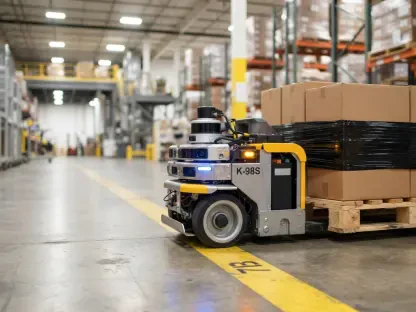
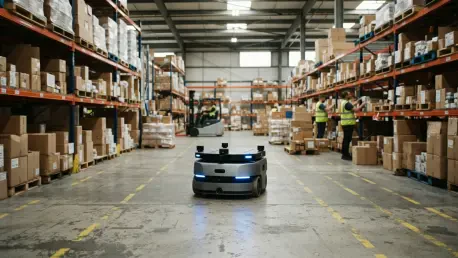
The most significant trend currently reshaping the industry is the shift toward AI-driven coordination, where artificial intelligence acts as the central nervous system managing the entire flow of goods. In previous iterations of warehouse technology, systems followed rigid “if-then” logic that often struggled to adapt when a single machine malfunctioned or a sudden surge in orders occurred. Modern AI orchestration models, such as the DeepFleet platform, now coordinate the movements of entire fleets of autonomous mobile robots simultaneously. These systems analyze congestion, battery levels, and picking priorities in real-time to optimize travel paths across the entire facility floor. By managing the collective intelligence of hundreds of robots, these orchestration layers can improve movement efficiency by more than 10 percent, which translates into massive operational savings and significantly faster order cycles. This level of synchronization ensures that no single robot is idle while others are overwhelmed, creating a balanced and fluid operational rhythm that was impossible under traditional management software.
These AI-enabled systems allow a warehouse to function as a living organism that self-optimizes throughout the day based on incoming data streams. Instead of sticking to a static plan generated at the start of a shift, the software constantly responds to live information regarding inventory levels, equipment availability, and changing shipping deadlines. If a high-priority order arrives at noon, the AI brain can instantly reroute robots and reprioritize picking tasks without human intervention. This constant adjustment ensures that resources are always directed toward the most critical tasks, effectively eliminating the bottlenecks that typically occur during peak periods. Furthermore, as these models ingest more data, they become better at predicting potential issues before they manifest as delays. This predictive capability allows warehouse managers to transition from a reactive posture to a proactive one, where labor and machine resources are positioned in advance of demand spikes. The result is a highly resilient supply chain capable of absorbing shocks and maintaining high service levels regardless of external volatility.
Risk Mitigation: Digital Twins and Virtual-to-Physical Deployment
A traditional barrier to upgrading logistics technology has been the high cost and operational risk associated with downtime during installation and testing. Digital twin technology is effectively removing this hurdle by allowing companies to create physically accurate, high-fidelity simulations of their facilities in a virtual environment. By leveraging advanced simulation platforms, such as those developed through the collaboration between NVIDIA and KION, companies can test autonomous vehicle fleets and complex warehouse layouts before a single piece of hardware is installed. This “physical AI” approach allows engineers to train autonomous forklifts and mobile robots in a risk-free digital space, where they can encounter thousands of edge-case scenarios that would be dangerous or time-consuming to replicate in the real world. This capability is especially crucial for brownfield sites—existing warehouses that need to modernize their operations without shutting down their current shipping schedules. The ability to “pre-train” a facility in the cloud ensures that when the physical robots arrive, they are already optimized for the specific geometry and workflow of that building.
The impact of this virtual-to-physical deployment model is already visible in large-scale logistics operations across the globe. Recent implementations have shown that digital twin technology can reduce the time required for on-site deployment of autonomous vehicles by more than 60 percent. This rapid scaling is essential in a market where the window of opportunity to gain a competitive advantage is shrinking. Beyond initial setup, these digital twins remain active throughout the facility’s lifecycle, serving as a real-time monitoring tool that allows managers to run “what-if” scenarios. For example, a manager could simulate how the warehouse would perform during a 20 percent increase in volume before actually committing to hiring seasonal staff or purchasing additional equipment. This data-driven decision-making process reduces the likelihood of expensive capital expenditure errors and ensures that every investment in automation is backed by rigorous virtual testing. As simulation technology becomes more accessible, even mid-sized logistics providers are beginning to use these tools to de-risk their transition toward an automated future.
Beyond the Walls: Industry Impact and the Total Supply Chain
Automation is no longer confined to the four walls of the warehouse; it is expanding into a comprehensive system that includes transportation management and omnichannel retail applications. Modern logistics must support a complex web of delivery methods, from home delivery to in-store pickup and regional distribution. To manage this, automated storage and retrieval systems are now being integrated with front-end retail operations to bring goods directly to workers in a “goods-to-person” model. This approach maximizes vertical storage space and slashes the time between an order being placed and the package being labeled for shipment. The integration of high-density storage with AI-driven picking ensures that the speed of the warehouse matches the speed of modern digital commerce. This level of responsiveness is particularly vital for the retail and e-commerce sectors, which currently account for nearly 30 percent of the total automation market and face the highest consumer expectations for delivery speed.
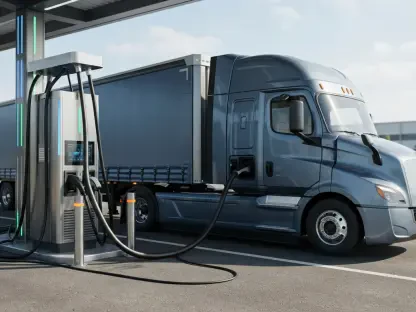
Furthermore, the industry is realizing that a high-speed warehouse is only as effective as the outbound transportation network that supports it. AI-driven route planning and carrier coordination are now being synchronized with internal warehouse picking schedules to ensure that trucks are not sitting idle at the loading dock. This “synchronized logistics” model ensures that outbound trailers are loaded in the exact sequence needed for the most efficient delivery route, reducing fuel costs and carbon emissions. Predictive analytics help operators evaluate traffic conditions and vehicle capacity in real-time, allowing for adjustments that keep shipments moving even when unexpected delays occur on the road. By linking the warehouse floor to the final mile of delivery, companies are creating a seamless thread of automation that spans the entire global distribution network. This holistic view of the supply chain allows for a level of transparency and efficiency that was previously unthinkable, turning logistics from a cost center into a strategic competitive advantage.
Integration Challenges: Overcoming Operational Hurdles and Barriers
Despite the clear benefits and rapid growth of the market, several significant hurdles remain that prevent full autonomy across the entire logistics sector. One of the most persistent challenges is the high cost of ownership and the complexity of maintenance for these advanced systems. While the initial hardware purchase is a major investment, the long-term expenses related to software integration, specialized technician labor, and routine maintenance can often exceed the original price tag. Additionally, interoperability between different brands of equipment remains a major pain point for warehouse operators. Getting a robotic arm from one manufacturer to communicate seamlessly with a conveyor system from another and an AI coordination layer from a third requires complex engineering and open-standard protocols that are still maturing. Without true interoperability, companies risk being locked into a single vendor’s ecosystem, which can limit their flexibility to adopt new technologies as they emerge.
Another critical challenge involves the handling of “exceptions” and the increasing importance of cybersecurity in a connected environment. While robots excel at repetitive tasks, they still struggle with anomalies such as damaged packaging, spilled contents, or misplaced pallets. These exceptions currently require human intervention to resolve, creating a ceiling on how much a facility can truly be “lights-out.” Moreover, as warehouses become more reliant on cloud-connected AI systems, they become potential targets for cyber threats. A disruption to a central coordination model could theoretically paralyze a global distribution network, making robust digital security a prerequisite for any automation strategy. Companies are now forced to invest heavily in encrypted communications and decentralized edge computing to protect their physical operations from digital interference. Addressing these reliability and security concerns is essential for building the trust necessary to move from experimental pilot programs to widespread, industry-standard autonomous operations.
Human Element: The Evolution of the Logistics Workforce
The narrative surrounding logistics automation is often centered on the replacement of workers, but the actual data indicates a shift in the nature of work rather than its disappearance. As manual labor tasks like heavy lifting, repetitive sorting, and long-distance walking are phased out, there is a corresponding surge in demand for high-skill roles that focus on system oversight and maintenance. Modern fulfillment centers are evolving into high-tech environments that require a new breed of technicians, system integrators, and software specialists. This transition is fostering a collaborative environment where “cobots” handle the physical strain while humans focus on quality control, complex problem-solving, and managing the exceptions that AI cannot yet handle. The most successful facilities have proven to be those that blend robotic efficiency with human ingenuity, creating a resilient infrastructure capable of handling the nuances of global trade while providing a safer and more engaging environment for employees.
The transition toward an autonomous supply chain necessitated a fundamental rethinking of how data and physical labor interact within the global economy. Leaders who prioritized interoperability and invested in flexible orchestration platforms found themselves better equipped to handle the volatility of the current market landscape. To move forward, organizations should focus on modular automation strategies that allow for incremental upgrades rather than total system overhauls. This approach ensures that companies can maintain operational continuity while gradually integrating new robotic capabilities as they reach maturity. Looking ahead, the focus must remain on creating standardized communication protocols between hardware vendors to truly unlock the potential of a connected supply chain. By viewing automation not as a replacement for human talent but as a tool to augment it, the logistics industry laid the groundwork for a more sustainable and responsive global trade infrastructure. The shift from manual processing to AI-driven orchestration was ultimately the key to meeting the demands of a high-speed, digital world.