
The relentless surge in global supply chain demands has fundamentally altered the structural requirements of the modern fulfillment center, transforming it from a static storage space into a dynamic, robotic-driven ecosystem. This technological shift is no longer a luxury but a necessity as labor shortages and the need for precision delivery windows intensify across the world. The transition from manual material handling to autonomous systems represents a paradigm shift where efficiency is measured by the uptime and accuracy of intelligent machines rather than human endurance.
Evolution and Core Principles of Warehouse Automation
The progression of warehouse automation has moved beyond the era of fixed conveyor belts and static sorting machines toward a landscape dominated by flexibility and intelligence. At its core, the technology relies on the decentralization of tasks, allowing individual units to make real-time decisions based on environmental data. This evolution was sparked by the need to handle diverse stock-keeping units in high-velocity environments where traditional fixed infrastructure was too rigid and expensive to reconfigure for changing market demands.
Current systems integrate sophisticated sensors and software that allow machinery to perceive their surroundings with a level of detail previously reserved for high-end research applications. By leveraging principles of machine learning and spatial awareness, these robots have moved from being mere tools to becoming collaborative partners within the supply chain. This shift reflects a broader technological trend toward industrial autonomy, where the goal is to create a self-optimizing environment that can respond to fluctuations in order volume without requiring constant manual intervention.
Critical Components of Autonomous Mobile Robots (AMRs)
Autonomous Pallet Trucks and Forklift Systems
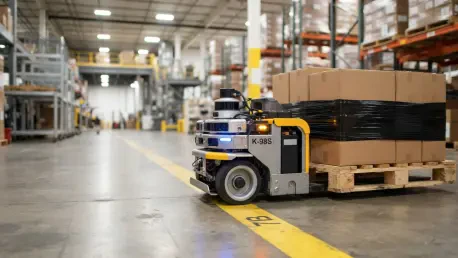
The operational backbone of modern automated warehouses lies in the deployment of autonomous pallet trucks and forklift systems designed for heavy-duty material handling. Unlike their manual predecessors, these machines utilize Simultaneous Localization and Mapping (SLAM) to navigate without the need for magnetic strips or physical wires embedded in the floor. This capability allows for rapid deployment and reconfiguration of warehouse layouts, ensuring that the robots can adapt to new inventory flows with minimal downtime.
Performance metrics for these units are increasingly focused on their ability to manage complex palletizing tasks and vertical storage retrieval with millimeter precision. These forklifts analyze the dimensions and weight of loads in real-time, adjusting their center of gravity and speed to maintain stability and safety. This level of technical sophistication ensures that high-volume operations can continue around the clock, significantly reducing the bottleneck traditionally associated with pallet movement and bulk storage transitions.
Wireless Integration and Connectivity Frameworks
Seamless coordination within a fleet of robots requires a robust wireless integration framework that maintains low-latency communication across vast industrial spaces. Technical standards, such as those governed by FCC-compliant systems, are vital for ensuring that various robotic units can transmit status updates and receive task assignments without interference. This connectivity is what enables a swarm of robots to operate as a single, cohesive unit, preventing collisions and optimizing the paths taken by individual machines.
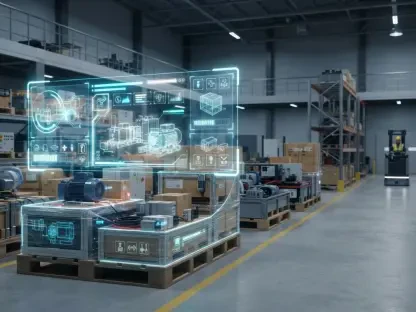
Furthermore, these frameworks facilitate the integration of warehouse robotics with broader Enterprise Resource Planning systems. By maintaining a constant data stream, operators can monitor the health of the fleet and the progress of fulfillment in real-time. The move toward advanced wireless protocols ensures that even in environments with dense metallic shelving and significant electromagnetic noise, the robots remain responsive and reliable, which is a critical factor for international scalability and regulatory compliance.
Recent Innovations and Strategic Market Developments
Strategic market shifts are currently being led by firms like Affordable Robotic & Automation Limited, which has focused on expanding its footprint through high-tech exports. The reported conditional approval from the Federal Communications Commission for its autonomous systems marks a pivotal entry point into the North American market. Such regulatory milestones are essential for overseas expansion, as they validate the safety and technical reliability of the hardware in one of the most competitive logistics environments in the world.
To fund this aggressive expansion, the firm has utilized sophisticated capital restructuring strategies, such as the preferential issue of fully convertible warrants to internal leadership. By converting debt into equity potential, the company has strengthened its balance sheet to support the high working capital intensity required for custom robotics manufacturing. This financial maneuver reflects a commitment to long-term research and development, providing the necessary liquidity to scale operations from 2026 to 2028 and beyond.
Real-World Applications and Sector Deployment
The practical application of autonomous mobile robots is most visible in high-volume distribution centers where order fulfillment speed is the primary competitive advantage. These machines are being deployed to handle “goods-to-person” workflows, where robots retrieve entire shelves of products and deliver them to human pickers. This implementation has been shown to triple picking rates while reducing the physical strain on the workforce, illustrating a successful synergy between human oversight and robotic execution.
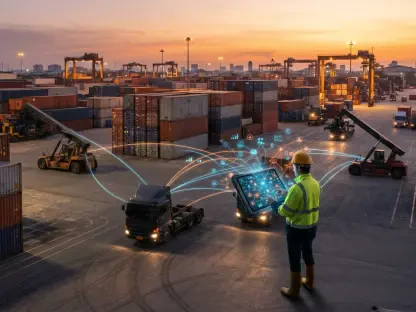
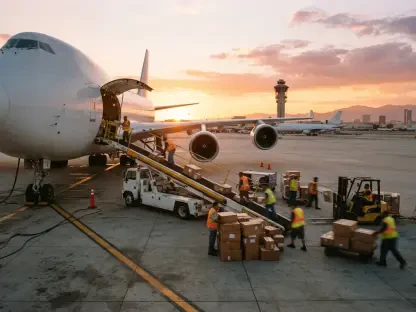
Beyond standard e-commerce, the transition toward automated overseas logistics is gaining momentum as companies seek to standardize their operations across different geographic regions. In large-scale logistics hubs, AMRs are used to bridge the gap between long-haul transportation and last-mile delivery preparation. By automating the sorting and staging processes, these facilities can handle a higher throughput of goods with fewer errors, proving that autonomous technology is a critical component of the global industrial infrastructure.
Implementation Challenges and Regulatory Hurdles
Despite the clear benefits, the path to full autonomy is fraught with challenges, most notably the rigorous regulatory clearances required for international operation. Obtaining approvals like those from the FCC is a complex process that involves proving the safety of wireless transmissions and the reliability of emergency stop mechanisms. These hurdles are compounded when operating in different jurisdictions, where safety standards for human-robot interaction can vary significantly, necessitating custom software configurations for each market.
Market-specific obstacles also include the high capital intensity of manufacturing bespoke robotic solutions. Unlike mass-produced consumer electronics, industrial robots often require significant customization to fit the specific needs of a client’s warehouse layout or inventory type. This creates execution risks, particularly when scaling production for new international clients. Companies must balance the need for rapid growth with the financial stability required to manage long lead times and the high cost of specialized components.
Future Outlook and Industry Trajectory
The trajectory of the warehouse robotics sector is pointing toward a future defined by end-to-end automation, where the entire lifecycle of a package is managed by intelligent systems. Future developments are expected to focus on AI-driven navigation that can handle even more unpredictable environments, such as outdoor loading docks or shared spaces with high pedestrian traffic. This will require a further leap in sensory processing and the integration of predictive analytics to anticipate potential disruptions before they occur.
As global demand for automated solutions continues to rise, the export of high-tech robotic equipment will likely become a major driver of industrial growth. The potential for breakthroughs in battery technology and edge computing will further enhance the duration and intelligence of these machines. This long-term impact on the global supply chain will be characterized by a shift toward more resilient, flexible, and data-centric logistics operations that can thrive in an increasingly volatile global market.
Conclusion and Strategic Assessment
The review highlighted the significant progress made in the field of autonomous warehouse robotics, specifically noting how regulatory approvals served as the gateway for international expansion. It explored the technical nuances of pallet trucks and wireless connectivity, which formed the foundation for reliable fleet operations. The analysis of financial strategies, such as equity conversion, showed that market players were actively preparing their capital structures to meet the demands of a growing order pipeline.
Strategic assessment of the sector suggested that the transition from manual labor to sophisticated AMRs became the definitive standard for modern logistics. The review concluded that while regulatory and financial hurdles remained, the momentum behind global industrial automation was irreversible. Future considerations must focus on the integration of more advanced artificial intelligence to handle complex, unstructured environments. Ultimately, the shift toward robotic exports and overseas deployment positioned the industry as a cornerstone of the next generation of global commerce.