
The traditional barrier of high minimum spend thresholds for international shipping has been eliminated for millions of consumers through a streamlined logistics network connecting Los Angeles and Incheon. In the current landscape of 2026, Coupang has redefined the cross-border e-commerce experience by integrating advanced fulfillment technology with a proprietary global delivery chain. This transformation stems from billions of dollars in strategic infrastructure investments aimed at bridging the gap between American small businesses and the vibrant consumer markets of South Korea and Taiwan. While traditional international carriers often require weeks to deliver a single parcel or demand exorbitant fees for expedited service, the modern ‘Rocket’ speed model ensures that high-quality American products reach their destinations in as little as three days. This system provides a unique advantage for sellers who previously struggled with the complexities of international trade, effectively turning a global transaction into something as simple and reliable as local shipping.
1. Purchase Confirmation and Warehouse Processing: From Click to Crate
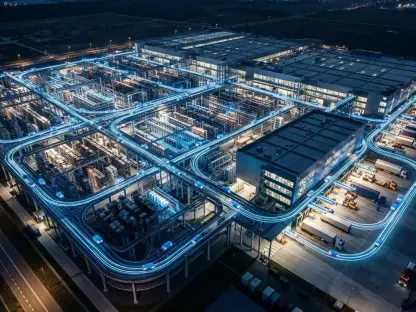
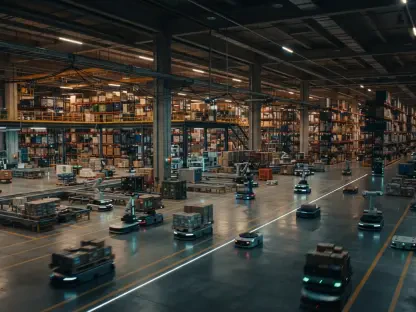
When a shopper in Seoul or Taipei selects an item like artisan sea salt from a West Virginia family business, the logistics engine is instantly ignited. This digital marketplace interaction serves as the starting point for a complex sequence of events that prioritizes speed without compromising the integrity of the product. The order is immediately routed to Coupang’s state-of-the-art Riverside, California, fulfillment center, a facility designed specifically to handle the high volume of international exports. Within this massive hub, a sophisticated Warehouse Management System tracks millions of individual units to their exact shelf coordinates, allowing workers to retrieve items with surgical precision. This level of synchronization is essential for maintaining the ‘Rocket’ promise, ensuring that the transition from a digital confirmation to a physical package happens in a matter of hours rather than days, setting a new standard for how cross-border retail functions in the current year.
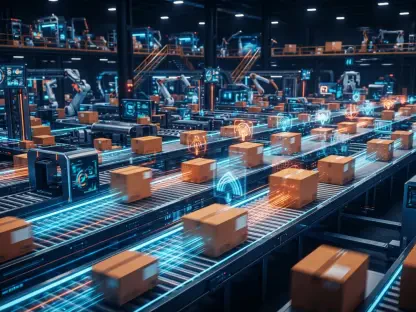
Following the initial retrieval, the item undergoes a specialized packing process that leverages automated intelligence to optimize every aspect of the parcel’s physical footprint. Coupang’s proprietary algorithms evaluate the dimensions and weight of the product to select the most appropriate packaging materials, which significantly minimizes shipping volume and reduces the overall carbon footprint. This efficiency is not merely about cost savings but also about ensuring the product is protected during its transpacific journey. Human operators and automated systems work in tandem at the Riverside facility to process tens of thousands of such orders daily, with many shipments leaving the center on the same day they were purchased. By streamlining the boxing phase, the company manages to bypass the traditional delays found in conventional warehouses, allowing American small businesses to present their goods to international audiences with the same professionalism and speed as major global corporations.
2. Ground Transit and Global Air Integration: Crossing the Pacific
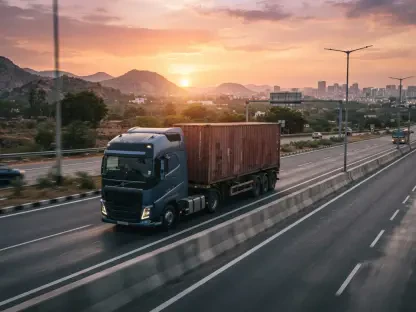
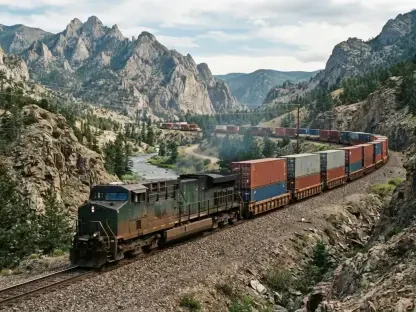
Once the package is securely sealed and labeled, it enters the ground transit phase, where a fleet of dedicated freight trucks transports it from the Inland Empire to Los Angeles International Airport. This segment of the journey is timed with precision to align with international flight schedules, ensuring that no time is wasted sitting in a staging area. During this transit, Coupang’s administrative systems handle the complex task of export documentation, preparing all necessary customs paperwork digitally to facilitate a seamless transition through regulatory checkpoints. By declaring and recording the package before it even arrives at the tarmac, the company removes one of the most common bottlenecks in international shipping. This proactive approach to logistics management allows for a rapid handoff between ground and air transportation, effectively shrinking the geographical distance between California and East Asia through a well-coordinated sequence of logistical maneuvers.
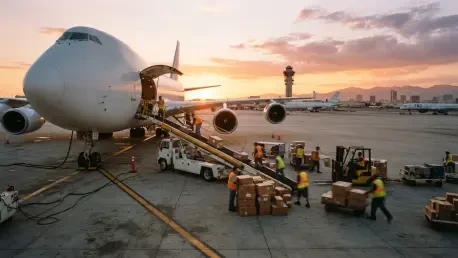
The parcel is subsequently loaded onto a direct cargo flight departing from Los Angeles, bound for Incheon International Airport in South Korea. This aerial bridge is a critical component of the three-day delivery promise, as it bypasses the multiple layovers and sorting delays that typically plague standard international shipping routes. Throughout the flight, real-time tracking systems provide updates on the shipment’s progress, maintaining transparency for both the retailer and the end consumer. The coordination required to secure space on these high-demand routes reflects the significant investment Coupang has made in its logistics network since the beginning of 2026. By treating every package as a high-priority ‘Rocket’ item, the system maintains a consistent tempo that is necessary for achieving record-breaking transit times. This direct-to-destination flight strategy ensures that the goods are ready for the final stages of the journey immediately upon arrival at the busy Incheon hub, maintaining the momentum.
3. Local Distribution and Final Mile Success: Reaching the Doorstep
Upon landing at Incheon International Airport, the package enters the final leg of its journey, beginning with a swift transition through Korean import customs. Because much of the documentation was digitized and cleared in advance, the physical inspection and approval process occur with remarkable efficiency, often taking only a few hours. Once cleared, the parcel is integrated into Coupang’s local distribution network, which is widely regarded as one of the most advanced in the world. Trucks transport the goods from the airport to regional fulfillment centers located near the customer’s residence, where the items are sorted for specific delivery routes. This localized infrastructure is the key to the ‘last mile’ success, as it allows for a granular level of sorting that traditional couriers cannot match. By maintaining control over the entire supply chain from the point of purchase to the point of entry, the company ensures that high standards are maintained until the product reaches the door.
The successful delivery of these international orders demonstrated how a unified logistics network effectively dismantled the traditional barriers of global trade. By 2026, the implementation of this end-to-end system allowed small American enterprises to flourish in Asian markets with unprecedented ease. This initiative proved that localized delivery speeds could be replicated on a global scale when technology and infrastructure were properly aligned. Consequently, the standard for international commerce moved toward a model where businesses integrated with streamlined platforms to capture burgeoning demand without the overhead of traditional export methods. The focus shifted toward expanding these capabilities to even more diverse product categories and geographical regions, ensuring that the ‘Rocket’ model became the universal benchmark for e-commerce. Strategic investments in automated sorting and direct air routes provided a clear roadmap for future growth, where physical distance no longer hindered the expansion of quality brands.