
The precision of a cargo flight landing at Navi Mumbai International Airport finds its equal not on the tarmac, but on the arterial highways that connect this modern gateway to India’s commercial heartland. This airport activation signals a significant restructuring of regional goods movement. Central to this evolution is bonded trucking, a specialized mechanism that allows customs-cleared cargo to flow seamlessly from the Air Cargo Complex to various distribution hubs across the nation.
As logistics firms like Shreeji Translogistics secure formal authorization in November 2026, the historic friction of air-to-road transfers is dissolving. This strategic shift toward integrated systems ensures the airport functions as a primary trade engine rather than a simple transit point. By deferring duty payments at the point of arrival, the region positions itself as a fluid gateway capable of handling the high-velocity demands of global commerce.
The Strategic Shift in India’s Multi-Modal Logistics
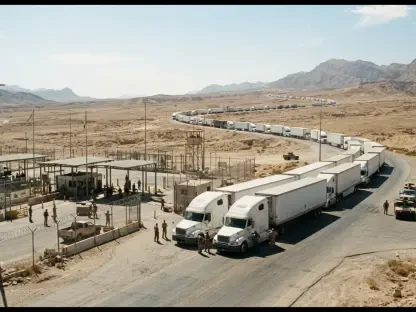
Navi Mumbai International Airport is transforming from a regional project into a global cargo powerhouse. This shift relies heavily on the efficiency of bonded trucking, which allows freight to bypass urban bottlenecks. The system creates a duty-deferred environment where the customs boundary effectively moves with the truck, providing a flexible operational buffer for both importers and exporters.
The traditional air cargo model often struggled with the complexities of the “last mile,” but the new framework provides a structural solution. With authorization for specialized transshipment, cargo can be ferried to inland ports without repetitive customs interventions. This marks a shift toward a dynamic logistics network that prioritizes speed and regulatory transparency.
The Critical Role of Customs-Bonded Infrastructure
Customs-bonded infrastructure acts as the vital connective tissue between international air corridors and domestic road networks. By keeping goods under strict supervision, bonded trucking lets airlines reach the hinterland without the financial overhead of operating extra flights. This is crucial for high-value shipments requiring constant oversight during transit.
For a hub of this magnitude, such infrastructure is a baseline requirement for long-term success. It allows for the consolidation of freight in a controlled environment, ensuring that the transition from air to road does not compromise safety. This framework turns the airport into a distributed network of entry points, significantly enhancing the logistical footprint of the region.
Catalysts of Growth: Infrastructure and Capacity at NMIA
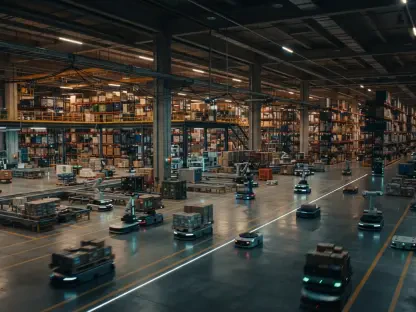
The facility is currently scaling its capacity to move from an initial 500,000 tons to a staggering 2.6 million tons annually. To support this volume, the terminal integrates advanced zones for pharmaceuticals and dangerous goods. This specialized environment requires a fleet of containerized trucks that maintain the same regulatory standards as the airport’s own high-tech warehouses.
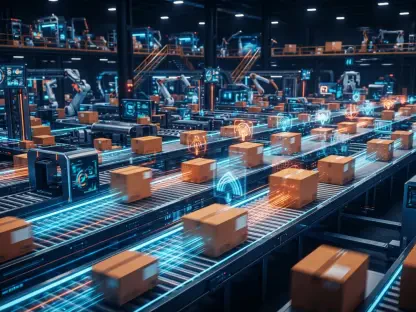
A ₹2,500 crore automated FedEx hub serves as a massive economic magnet for international trade. It utilizes bonded trucking for regional redistribution, acting as a central nervous system for express freight. The synergy between terminal automation and reliable road transshipment is what defines the hub’s competitive edge on the global stage.
Expert Perspectives on the Road-Aviation Integration
Industry veterans highlight the “truck-flight” model, where a truck journey is assigned a specific flight number and treated as a formal extension of the aviation network. This approach relies on digital community systems and automated slot management to minimize dwell times. Firms are applying decades of specialized experience to optimize these new operations.
Success in this field depends on how effectively digital systems communicate across different transport modes. Experts argue that treating road transport as a vital extension of the flight path allows for a level of synchronization that was previously impossible. This ensures that cargo remains in motion rather than sitting in expensive storage facilities.
Navigating the New Logistics Landscape: Strategies for Shippers
Shippers prioritized duty-deferred transit to optimize their cash flow and inventory management. By moving cargo closer to consumption points before final clearance, businesses reduced the time capital remained tied up in regulatory processes. This strategy required partnering with carriers possessing specialized equipment for bonded movements across state lines.
Digital integration became a prerequisite for operational success, as real-time tracking and automated documentation became baseline expectations. Shippers who adopted multi-modal synchronization found themselves better equipped for the demands of just-in-time supply chains. These proactive steps converted traditional logistical challenges into lasting competitive advantages for the future.