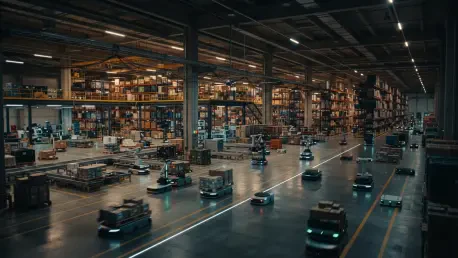

Strategic decision-making in 2026 involves a dual-track approach that uses proven AMRs alongside disciplined pilots of emerging humanoid technology. This critical shift follows years of intense experimentation, leading to a landscape where warehouse operators no longer view automation as a luxury but as a core operational necessity for survival. The choice between Autonomous Mobile Robots (AMRs) and sophisticated humanoid systems is not merely a technical debate; it is a fundamental strategic decision that dictates how a facility handles labor shortages and rising consumer expectations. While AMRs have solidified their place as the primary workhorses for horizontal transport, the emergence of humanoid robots offers a new level of versatility in environments specifically designed for human anatomy. Navigating this selection process requires a deep understanding of how each technology fits into existing workflows, as well as an honest assessment of long-term financial goals and the specific physical constraints of the warehouse floor itself.
Functional Specialization and Operational Scope
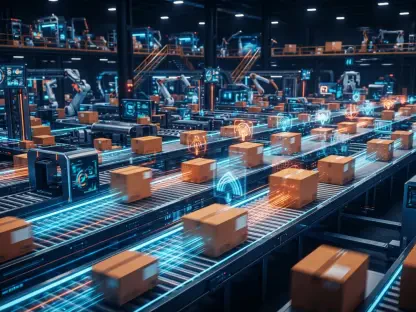
The primary distinction between these two technologies lies in the trade-off between specialization and versatility across the warehouse floor. Autonomous Mobile Robots are highly specialized tools for horizontal logistics, utilizing advanced Lidar and computer vision to navigate around obstacles and human workers in real time without the need for fixed tracks or wires. Because they are mature technologies in 2026, they offer standardized integration with existing Warehouse Management Systems, making them the ideal choice for high-volume, repetitive transport tasks. Their main objective is the efficient movement of inventory from one zone to another, which directly addresses the inefficiency of manual travel. By automating the transit phase of the fulfillment process, these systems allow human operators to remain in productive picking zones, significantly increasing the overall throughput of the facility while maintaining a high level of safety and predictability in crowded environments.
Humanoid robots offer a completely different value proposition that centers on “interstitial” tasks—the small, complex hand-offs that usually require a human touch. Because they possess articulated arms and a human-like range of motion, they can interface with conveyors and machinery that were never intended for traditional automation. These machines excel in “brownfield” facilities where the infrastructure cannot be easily modified to accommodate large, fixed robotic cells or specialized shelving. While they are currently in the early-deployment phase, their ability to handle the extreme variability of warehouse items, such as crushed boxes, polybags, or shifting loads, makes them a flexible alternative to stationary robotic arms. The value of the humanoid form factor is its inherent compatibility with the world as it currently exists, allowing for a “plug-and-play” robotic labor force that can step into roles previously reserved for human staff.
Financial Viability and Capital Allocation
When evaluating the financial impact of these investments, AMRs currently hold a significant lead in terms of immediate return on investment for most standard applications. With an upfront cost typically ranging between $30,000 and $50,000 per unit, most facilities can expect a full payback period of approximately two years. The fiscal logic is straightforward: by reducing the time workers spend walking, companies can achieve much higher pick rates with a significantly smaller headcount. This makes AMRs a low-risk, high-reward entry point for facilities looking to cut operational costs quickly without disrupting their existing layout. Furthermore, the maintenance costs for wheeled transport robots are well-understood and manageable, providing a level of budgetary certainty that is highly attractive to Chief Financial Officers who are wary of the hidden costs often associated with adopting newer, more complex mechanical systems.
Humanoid robots represent a much larger capital commitment, with individual units often exceeding $150,000 and a payback period that can stretch to four years or more. However, the rise of Robots-as-a-Service (RaaS) models is fundamentally changing the accessibility of this technology by turning high upfront costs into manageable monthly operating expenses. For companies dealing with extreme labor turnover, three-shift operations, or hazardous environments like cold storage, the long-term savings on recruitment, training, and safety insurance can justify the higher price point of humanoid systems. The economic argument for humanoids is often based on the “total cost of work” rather than a simple hardware-to-labor comparison. As these machines become more capable of performing multiple different tasks throughout a single shift, their high cost is amortized across a wider range of activities, eventually narrowing the gap with specialized transport robots.
The Evolution of Hybrid Fleet Synergy
The industry is rapidly moving away from a winner-take-all mentality toward a “hybrid fleet” strategy where different types of robots work in tandem to maximize efficiency. In this collaborative model, humanoid robots do not replace AMRs; they complement them by bridging the gaps in the automation chain that were previously filled by human labor. For example, a humanoid robot might lift a heavy tote from an AMR and place it onto a sorting conveyor, or vice versa. This synergy allows human workers to move away from ergonomically taxing, repetitive motions while the robotic fleet handles the entire end-to-end process autonomously. Leading logistics firms like GXO have already demonstrated the effectiveness of this approach by integrating Agility Robotics’ humanoid systems into facilities that already utilize a dense population of transport AMRs, proving that the two technologies are most effective when they are allowed to communicate.
Data is the ultimate deciding factor in the long-term success of these hybrid environments and the robots that inhabit them. While the mechanical hardware is undoubtedly important, the machine learning models that drive a robot’s ability to grasp, lift, and perceive its surroundings are what truly determine its functional value. High-quality training data is the fuel that will eventually allow humanoid robots to match or exceed human speed and accuracy in complex picking environments. Companies that begin collecting this data now through small-scale pilot programs will have a significant competitive advantage as the technology matures and becomes more affordable. The digital record of every successful grasp and movement becomes a proprietary asset that improves the performance of the entire fleet over time. This data-centric view of robotics shifts the focus from the physical machine to the underlying artificial intelligence.
Structured Criteria for Technology Selection
Deciding which technology to prioritize depends heavily on the specific bottlenecks within a facility and the long-term vision of the management team. Organizations should prioritize the deployment of AMRs if their primary goal is to reduce travel time across large floor plates or if they require a guaranteed return on investment within two fiscal years. AMRs are the most reliable and scalable choice for standardized environments with flat floors and consistent workflows. They provide a predictable way to scale operations without the complexities associated with managing the balance and manipulation requirements of bipedal or advanced articulated systems. For warehouses that handle high volumes of uniform goods, the specialized efficiency of a wheeled transport robot is almost impossible to beat, providing a clear path to operational stability and reduced overhead in a relatively short timeframe.
On the other hand, humanoid pilots are recommended for companies looking to automate tasks that require human-like dexterity without rebuilding their entire facility. This path is particularly beneficial for businesses facing extreme labor instability or those operating in roles with high injury rates where human safety is a constant concern. Investing in humanoid technology in 2026 is often more about future-proofing than immediate gains, as it allows companies to build internal expertise in complex AI and multi-modal robotics before these tools become a baseline requirement for the industry. The ability of a humanoid to move between different workstations—picking in the morning and loading trailers in the afternoon—offers a level of operational flexibility that AMRs cannot match. This versatility is crucial for seasonal businesses that experience massive fluctuations in the types of tasks that need to be performed.
Execution Strategies and Integration Standards
Successful deployment of any robotic system requires more than just purchasing hardware; it demands a disciplined and measured approach to implementation. Managers must establish a clear baseline measurement of current tasks—such as lifts per hour, error rates, and downtime—before introducing robots to ensure the technology is actually solving a legitimate operational problem. It is also important to prioritize uptime and reliability over pure speed during the initial rollout phase. A robot that operates consistently without needing a manual reset or intervention is far more valuable than a faster model that frequently glitches or requires technical support. By focusing on steady, reliable performance, warehouse managers can build trust with the rest of the workforce and ensure that the automation adds value rather than frustration to the daily routine of the fulfillment center.
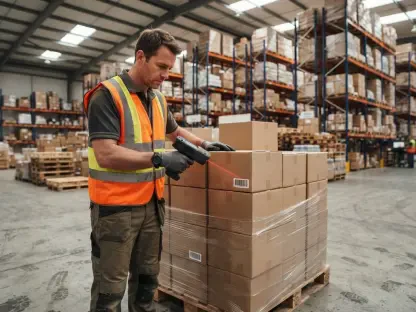
Seamless communication between the robot fleet and the Warehouse Management System (WMS) was once an obstacle, but in 2026, it is a mandatory requirement for any smooth operation. Beyond the digital integration, engaging the “floor team” early in the process is essential to reduce resistance and identify practical issues that engineers might miss. Workers on the ground often notice small but critical details, like how floor debris might interfere with sensors or how certain lighting conditions affect computer vision, that can make or break the success of a new robotic rollout. When employees are treated as partners in the automation process rather than being replaced by it, the transition is significantly smoother. This human-centric approach to high-tech deployment ensures that the warehouse remains a functional, productive environment where humans and robots can coexist and thrive together.
Strategic Next Steps for Warehouse Operators
The transition toward a fully automated facility required a meticulous balance between immediate efficiency and long-term technological adaptability. Successful operators moved beyond the simplified debate of choosing one machine over another and instead focused on the specific mechanical requirements of each task. They realized that while AMRs handled the heavy lifting of horizontal transport, the humanoid form factor solved the “last inch” of dexterity that had previously stalled automation efforts. This dual-track strategy allowed businesses to capture immediate cost savings while simultaneously building the data infrastructure necessary for the next generation of artificial intelligence. The most effective organizations were those that treated their robot fleets as a unified system, ensuring that data flowed freely between transport units and manipulation units to create a truly integrated and autonomous supply chain.
Moving forward, the focus shifted from simple deployment to the continuous optimization of these robotic assets through machine learning and real-world feedback loops. The industry learned that the true value of robotics lay not in the hardware itself, but in the operational flexibility it provided during times of market volatility. Companies that invested early in both AMRs and humanoid pilots found themselves better positioned to handle shifts in consumer demand and labor availability. They moved away from rigid, fixed automation and toward a dynamic, mobile workforce that could be redeployed at a moment’s notice. This evolution proved that the best approach was not to wait for the “perfect” robot, but to start building the internal capabilities and digital foundations required to manage a diverse, multi-modal robotic workforce that could evolve alongside the needs of the business.